
Executive Summary
As the global demand for longevity and metabolic health supplements surges, Nicotinamide Adenine Dinucleotide (Reduced Form), or NADH, has emerged as a cornerstone ingredient. For businesses in the nutraceutical and pharmaceutical sectors, sourcing high-quality nadh powder requires a deep understanding of its biochemical role, stability challenges, and the rigorous quality standards expected in a professional supply chain. This guide provides a technical overview of NADH to assist procurement managers and product developers in making informed decisions when selecting an nadh raw material partner.
What is NADH? The Biological Powerhouse
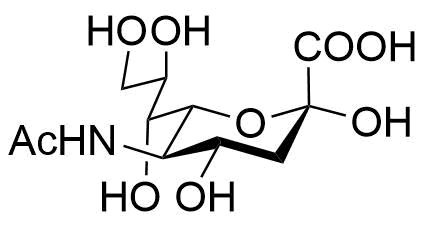
NADH is a naturally occurring coenzyme found in all living cells, derived from Vitamin B3 (Niacin). It plays a critical role in the mitochondrial electron transport chain, where it acts as a primary electron donor in the production of ATP (adenosine triphosphate)—the universal energy currency of the body.
Beyond energy metabolism, NADH is essential for cellular repair, DNA maintenance, and supporting the body’s antioxidant defenses. Because of its central role in biological aging and cognitive function, it has become a highly sought-after functional ingredient for premium dietary supplements.
Technical Challenges in NADH Raw Material Handling
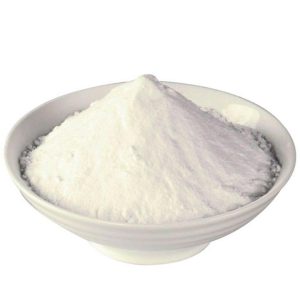
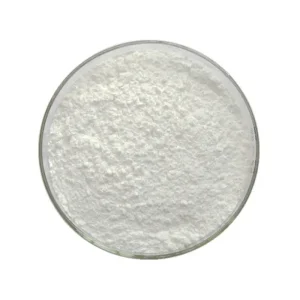
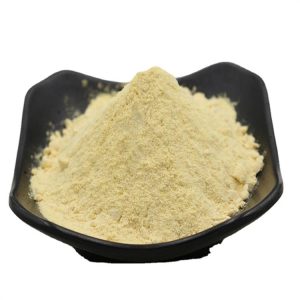
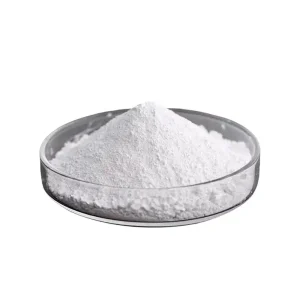
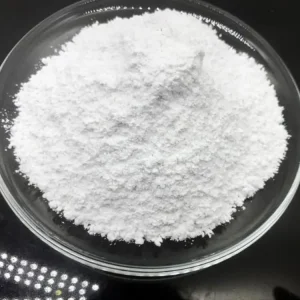
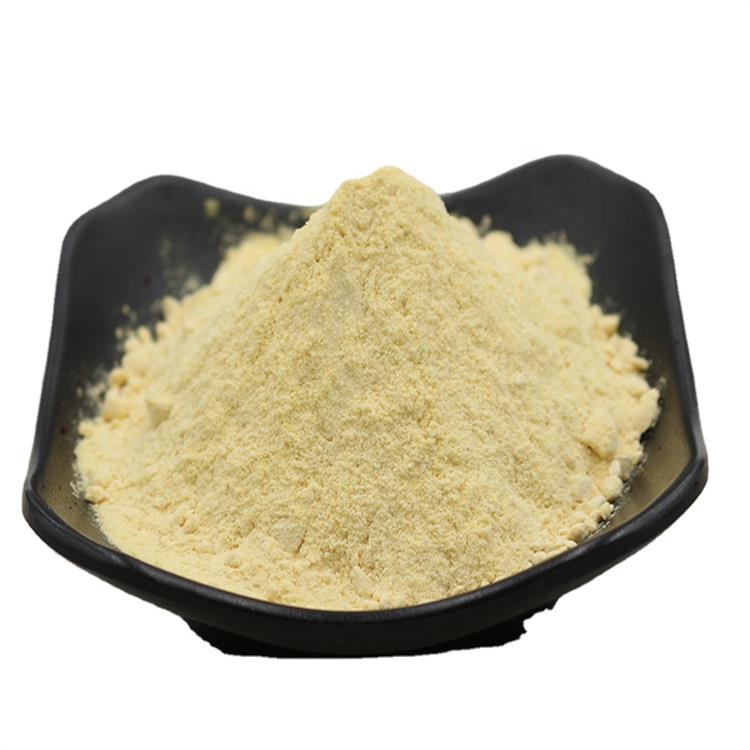
From a manufacturing perspective, NADH is notoriously sensitive. Unlike more stable vitamins, nadh powder is highly susceptible to degradation when exposed to light, heat, and moisture.
-
Hygroscopicity: NADH is moisture-sensitive. Improper handling can lead to rapid oxidation, turning the active material into NAD+, which may alter the intended efficacy of the final formulation.
-
Thermal Stability: It requires strictly controlled environments during both production and transit to maintain biological activity.
-
Purity Requirements: For industrial and R&D use, a purity level of $\geq 98\%$ is often the industry benchmark to ensure the integrity of the finished product.
Identifying a Reliable NADH Manufacturer
When evaluating an nadh Manufacturer, businesses must look beyond price points and focus on technical compliance and supply chain transparency. A professional partner should demonstrate expertise in synthetic biology and rigorous quality management systems.
1. Quality Certifications
A credible supplier must meet global standards to ensure the ingredient is safe for nutraceutical and pharmaceutical applications. Key certifications to verify include:
-
ISO 9001 & ISO 22000: For quality and food safety management.ISO 9001 和 ISO 22000:
-
GMP (Good Manufacturing Practices): Essential for pharmaceutical-grade consistency.
-
Third-Party Verifications: Reports from agencies like SGS, NSF, or CQC provide an extra layer of trust.
-
Specialized Compliance: Halal and Kosher certifications are vital for brands targeting global, diverse markets.
2. Research and Development Capacity
The field of coenzymes is rapidly evolving. A manufacturer led by scientific leadership in pharmaceutical and biological sciences can offer customized formulations and stabilized versions of NADH, which are easier to work with during the encapsulation or tableting process.
3. Supply Chain Stability
For large-scale commercialization, “short lead times” and “consistent availability” are not just buzzwords—they are operational necessities. A robust international supply network ensures that production schedules remain uninterrupted, even during global market fluctuations.

Formulating with NADH: Commercial Considerations
For B2B entities, the choice of NADH grade depends heavily on the delivery format (capsules, sublingual tablets, or stabilized powders). Because of its potency, precise dosage and synergy with other ingredients—such as Coenzyme Q10 or NMN—are often explored to maximize the metabolic benefits for the end consumer.
Conclusion
NADH is more than just a trending ingredient; it is a fundamental component of cellular health with significant market potential. However, the complexities of its stability and the precision required in its production mean that the choice of an nadh raw material supplier is a strategic business decision. By prioritizing manufacturers with comprehensive quality certifications, high R&D capacity, and proven supply chain reliability, businesses can ensure their products meet the highest standards of efficacy and safety.
Frequently Asked Questions (FAQ)
Q1: What is the recommended storage for bulk NADH powder?
NADH should be stored in a cool, dry place, typically at temperatures between 2°C to 8°C in airtight, light-resistant containers to prevent oxidation and maintain potency.
Q2: Can NADH be used in liquid formulations?
Due to its instability in aqueous solutions, NADH is traditionally used in solid dosage forms. If a liquid application is required, specialized stabilization techniques or liposomal delivery systems are generally necessary.
Q3: How do you verify the purity of an NADH shipment?
Professional manufacturers provide a Certificate of Analysis (CoA) for every batch, detailing purity levels verified by High-Performance Liquid Chromatography (HPLC). Third-party testing reports should also be available upon request for full traceability.
Q4: Is your NADH suitable for pharmaceutical applications?
Yes, ingredients produced in GMP-certified facilities with high purity levels (typically 98% or higher) are suitable for both nutraceutical and pharmaceutical-grade formulations.