

Abstract
N-acetylneuraminic acid (NANA), commonly known as sialic acid, is a key monosaccharide found in various biological systems. As a vital component in glycoproteins and glycolipids, it plays essential roles in cellular recognition, immune function, and pathogen interactions. This article explores the science behind NANA, its production as a raw material, and considerations for sourcing it in bulk or wholesale forms, providing insights for researchers, formulators, and industry professionals seeking reliable information on this compound.
What is N-Acetylneuraminic Acid?
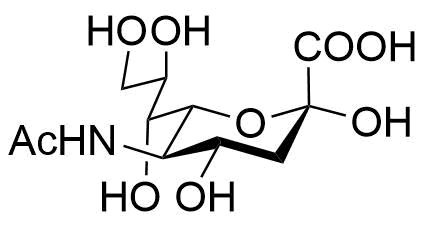
N-acetylneuraminic acid, often abbreviated as NANA, is a nine-carbon sugar acid that belongs to the sialic acid family. It is naturally occurring in animal tissues, particularly in the brain, kidneys, and saliva, where it contributes to the structure of cell membranes. Chemically, NANA features an acetyl group at the nitrogen position and a carboxylic acid group, making it amphiphilic and suitable for various biochemical roles.
In biological contexts, NANA acts as a terminal sugar in glycan chains, influencing cell signaling and adhesion. For instance, it helps mask recognition sites on cells, preventing unwanted immune responses or aiding in viral attachment mechanisms. Understanding NANA’s structure is crucial for those working with it as a raw material, especially in powder form for easier handling and formulation.
Natural Sources and Synthetic Production of NANA
NANA is predominantly sourced from natural origins, such as avian eggs or mammalian milk, but industrial-scale production often relies on microbial fermentation or chemical synthesis to meet demand. Microbial methods use engineered bacteria or yeast to biosynthesize NANA, offering a sustainable alternative to extraction from animal sources, which can be limited by availability and ethical concerns.
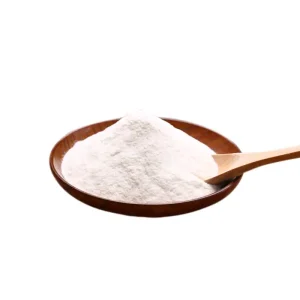
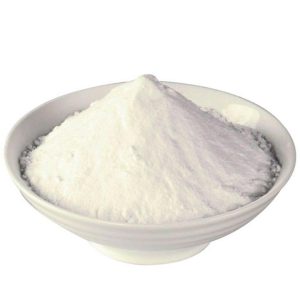
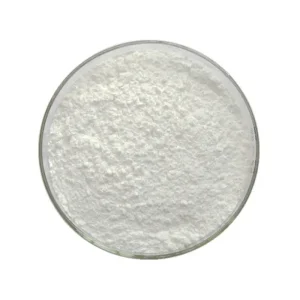
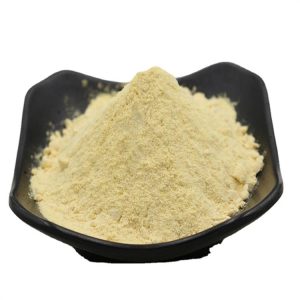
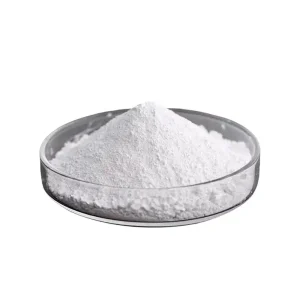
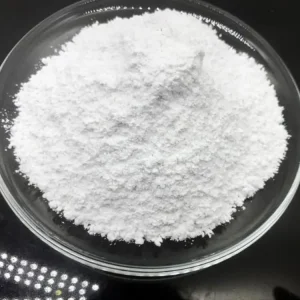
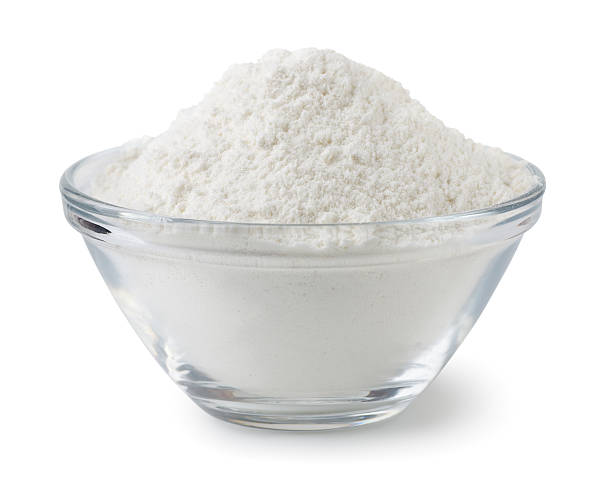
As a manufacturer of NANA raw material, the process typically involves precise control of fermentation conditions to yield high-purity NANA powder. This powder form is preferred for its stability and ease of storage, allowing for bulk production that aligns with wholesale needs. Quality control in production ensures the absence of contaminants, adhering to standards like ISO and GMP for traceability.
Applications of NANA in Various Industries
N-acetylneuraminic acid finds applications across pharmaceuticals, nutraceuticals, and cosmetics due to its bioactive properties. In pharmaceuticals, NANA is incorporated into antiviral drugs and vaccines, where it mimics sialic acid residues to inhibit pathogen binding. Research has shown its potential in modulating influenza virus interactions, making it a valuable ingredient in therapeutic formulations.
In the nutraceutical sector, NANA powder is used in supplements aimed at supporting cognitive health and immune function, based on studies linking sialic acids to brain development. Cosmetics leverage NANA for its moisturizing effects, as it binds water and enhances skin barrier integrity. For bulk users, sourcing NANA as a raw material enables customization in product development, such as blending with other saccharide derivatives.
Health Benefits and Scientific Insights
Emerging research highlights NANA’s role in human health, particularly in early development. Studies indicate that dietary NANA may support infant brain growth, as it is a component of human milk oligosaccharides. In adults, it has been associated with gut microbiome modulation and anti-inflammatory effects, though more clinical trials are needed to substantiate these claims.
From a manufacturer’s perspective, producing NANA in bulk ensures consistency in particle size and purity, which are critical for efficacy in end products. Wholesale NANA raw material often comes with detailed specifications, including solubility data and stability profiles, aiding formulators in optimizing dosages without compromising safety.
Considerations for Sourcing NANA Raw Material
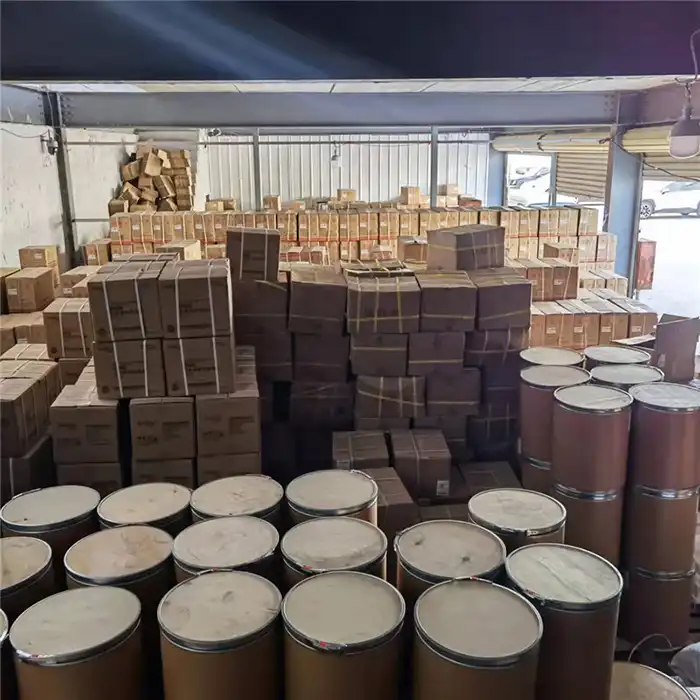
When sourcing N-acetylneuraminic acid, factors such as purity, scalability, and compliance are paramount. High-quality NANA powder should exceed 98% purity, verified through third-party testing for heavy metals and microbial contaminants. Bulk suppliers typically offer flexible packaging options, from kilograms to tons, to accommodate varying production scales.
Working with a reputable NANA manufacturer can provide access to customized grades, such as food-grade or pharmaceutical-grade, ensuring alignment with regulatory requirements in different regions. Wholesale procurement often includes supply chain transparency, helping buyers mitigate risks associated with global sourcing.
Article Summary
N-acetylneuraminic acid (NANA) stands out as a multifunctional compound with significant implications in biology and industry. From its natural roles in cellular processes to its applications in health products, NANA offers valuable opportunities for innovation. By understanding its production, benefits, and sourcing considerations, professionals can make informed decisions on incorporating NANA powder or raw material into their workflows. Prioritizing quality and evidence-based approaches ensures the effective use of this versatile saccharide.
FAQ
What is the difference between N-acetylneuraminic acid and sialic acid? N-acetylneuraminic acid (NANA) is the most common form of sialic acid in humans. Sialic acid is a broader term encompassing various derivatives, but NANA specifically refers to the N-acetylated version prevalent in mammalian systems.
How is NANA powder produced industrially? Industrial production of NANA raw material often involves microbial fermentation using genetically modified organisms, followed by purification steps to yield a stable powder. This method is scalable for bulk and wholesale supply.
What are the storage requirements for bulk NANA? NANA powder should be stored in a cool, dry place away from light and moisture to maintain stability. Sealed containers are recommended, with a typical shelf life of 2-3 years under proper conditions.
Is NANA safe for use in dietary supplements? Yes, when sourced from a certified NANA manufacturer, it is generally recognized as safe (GRAS) for use in supplements. However, dosage should follow scientific guidelines, and consultation with regulatory bodies is advised for compliance.
Can NANA be customized for specific applications? Many manufacturers offer customization of NANA raw material, such as adjusting purity levels or particle sizes, to suit pharmaceutical, nutraceutical, or cosmetic needs in wholesale quantities.