

Tag: NADH Raw Material
-
What is the role of nadh in cellular
Executive Summary Nicotinamide Adenine Dinucleotide (NADH) serves as the primary electron carrier in cellular respiration, acting as the bridge between metabolic breakdown and energy production. For manufacturers in the nutraceutical…
-
Technical Insights into NADH: A Guide for Professional Sourcing and Manufacturing Standards
Summary NADH (Nicotinamide Adenine Dinucleotide + Hydrogen) is a fundamental coenzyme utilized in cellular metabolism, increasingly recognized as a vital component in the development of nutraceuticals and pharmaceutical formulations. For…
-
Understanding NADH: A Technical Guide for Nutraceutical and Pharmaceutical Procurement
Executive Summary As the global demand for longevity and metabolic health supplements surges, Nicotinamide Adenine Dinucleotide (Reduced Form), or NADH, has emerged as a cornerstone ingredient. For businesses in the…
-
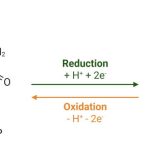
Understanding NAD vs. NADH: A Technical Guide for Bulk Raw Material Procurement
Executive Summary In the rapidly evolving landscape of cellular health and longevity science, Nicotinamide Adenine Dinucleotide (NAD) and its reduced form, NADH, stand as pivotal coenzymes. While both are essential…
-
Understanding NADH: Biological Functions, Applications, and Bulk Procurement Standards
Executive Summary Nicotinamide Adenine Dinucleotide (NADH) is a critical coenzyme found in all living cells, serving as a primary electron donor in the mitochondrial electron transport chain1111. As a reduced…
-
NADH Powder Supply Chain: A Technical Guide for Bulk Raw Material Procurement and Quality Compliance
Executive Summary As a pivotal coenzyme in cellular energy metabolism and redox reactions, NADH (Reduced Nicotinamide Adenine Dinucleotide) has gained significant traction in the global nutraceutical and pharmaceutical sectors. This article explores…
-
How Does NADH Become NAD+? Understanding the Key Redox Reaction in Cellular Energy
Abstract NADH (nicotinamide adenine dinucleotide, reduced form) and NAD+ (oxidized form) are essential coenzymes involved in hundreds of metabolic reactions, particularly in energy production. The conversion of NADH to NAD+…
-
NAD+ vs. NADH: Understanding the Differences for Dietary Supplement Formulation
In the dietary supplement industry, NAD+ and NADH are key coenzymes involved in cellular energy production and metabolic health. Supplement manufacturers and wholesalers often evaluate these compounds when developing products…
-
Does NADH Work? Examining the Science Behind NADH Supplements and Powder Forms
Abstract NADH, or reduced nicotinamide adenine dinucleotide, is a coenzyme central to cellular energy production, and interest in NADH supplements has grown due to their potential role in supporting fatigue…
-
Does NADH Inhibit Glycolysis? Understanding Its Role in Cellular Energy Metabolism
Abstract Nicotinamide adenine dinucleotide (NADH) is a critical coenzyme involved in cellular energy production, particularly in glycolysis and mitochondrial respiration. While NADH is produced during glycolysis, high levels of NADH…