
Abstract
Sialic acid — scientifically known as N-acetylneuraminic acid (Neu5Ac), and referred to in Spanish-language markets as acido sialico — has emerged as one of the most commercially significant bioactive compounds in the nutraceutical, infant nutrition, and pharmaceutical ingredient sectors. For purchasing managers, formulators, and product developers evaluating sialic acid raw material for commercial use, supply chain reliability, purity specifications, and regulatory compliance are non-negotiable priorities. This guide provides a structured, practical overview of what sialic acid is, how it is produced at scale, what quality benchmarks matter when sourcing sialic acid bulk quantities, and what to look for when evaluating a sialic acid manufacturer. The goal is to equip B2B buyers with the technical and commercial knowledge needed to make confident procurement decisions.
What Is Sialic Acid? A Technical Overview for Industry Buyers
Sialic acid is a family of nine-carbon monosaccharides, with N-acetylneuraminic acid (Neu5Ac) being the most biologically prevalent and commercially relevant form. It occurs naturally at the terminal positions of glycoproteins and glycolipids on cell surfaces, playing a fundamental role in cell-to-cell communication, immune modulation, and neurological development.
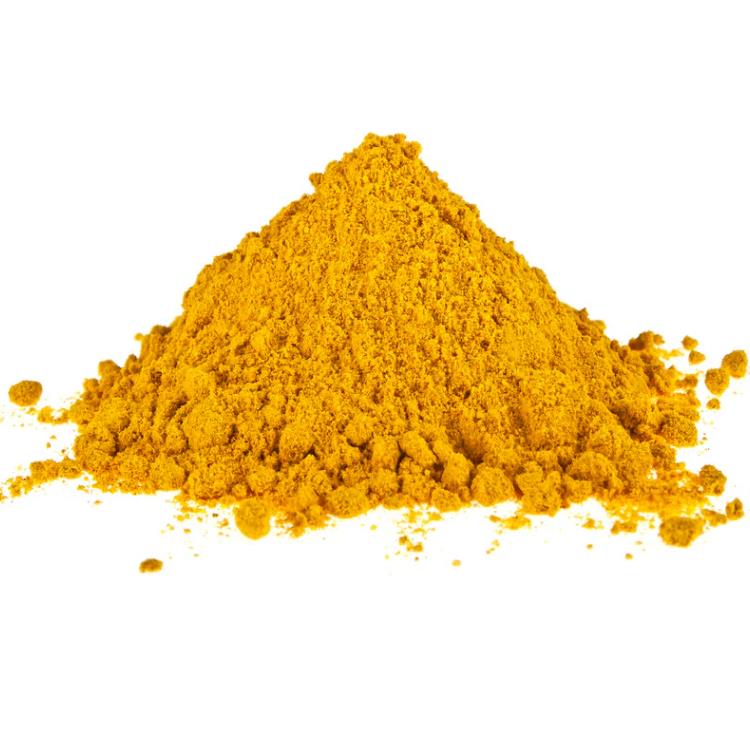
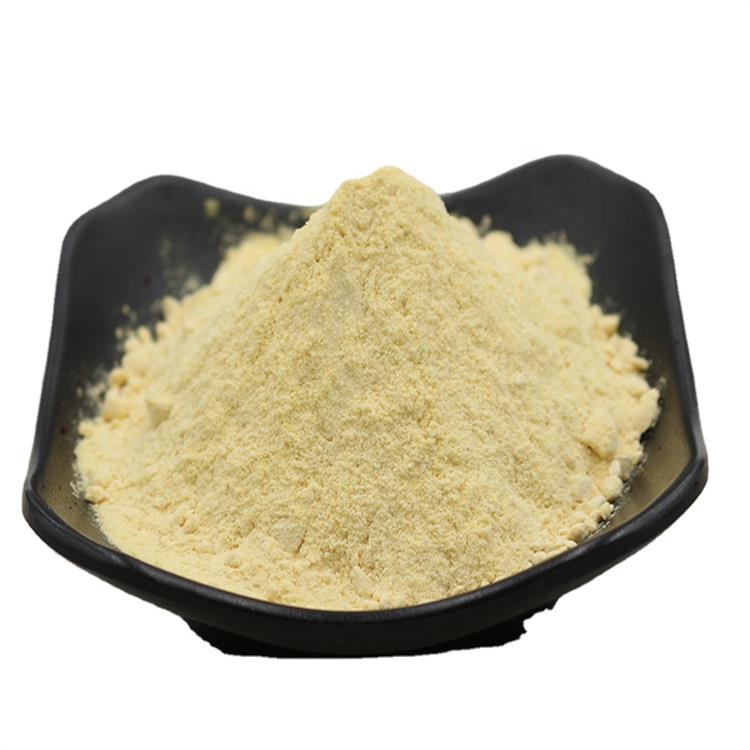
From a commercial standpoint, sialic acid is most frequently sourced in its purified powder form — sialic acid powder — for use as an active ingredient or functional additive in:
- Infant formula and pediatric nutrition, where it supports early cognitive and neurological development
- Dietary supplements and nootropic formulations, targeting brain health and memory
- Pharmaceutical and biotechnology applications, including drug delivery systems and biologics research
- Cosmetic and personal care products, leveraging its skin barrier and moisturizing properties
The compound’s growing demand across these verticals has driven significant investment in fermentation-based and enzymatic manufacturing processes capable of delivering consistent, high-purity sialic acid raw material at scale.
How Is Sialic Acid Manufactured at Commercial Scale?
Understanding the production process is essential for buyers assessing supplier credibility and product quality. There are three primary production pathways:
1. Extraction from Natural Sources
Historically, sialic acid was extracted from egg yolks, edible bird’s nest, or bovine milk. While these sources contain meaningful concentrations of acido sialico, extraction yields are low, supply is inconsistent, and scalability is limited — making this approach unsuitable for commercial bulk supply.
2. Chemical Synthesis
Chemical synthesis routes can produce sialic acid but typically involve complex multi-step reactions, high reagent costs, and potential residual solvent concerns that complicate regulatory clearance for food and nutraceutical applications.
3. Microbial Fermentation (Current Industry Standard)
The dominant commercial approach is microbial fermentation using engineered bacterial strains — most commonly E. coli or Bacillus species — that are metabolically optimized to produce Neu5Ac at high titers. This method offers:
- Scalable output suitable for wholesale and bulk orders
- High purity with controlled batch-to-batch consistency
- Animal-free production, which is increasingly important for clean-label and vegan-positioned products
- Lower cost per gram at industrial scale compared to extraction
Buyers evaluating a sialic acid manufacturer should prioritize suppliers who have demonstrated, documented fermentation-based production capabilities with clear process validation data.
Key Quality Parameters When Sourcing Sialic Acid Powder
When requesting samples or reviewing certificates of analysis (CoA) from any sialic acid manufacturer, B2B buyers should evaluate the following technical specifications:
| Parameter | Industry Benchmark |
|---|---|
| Purity (HPLC) | ≥ 98% |
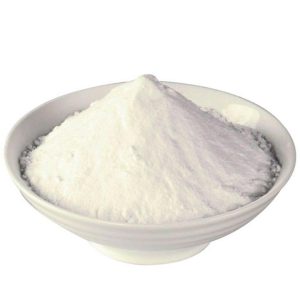
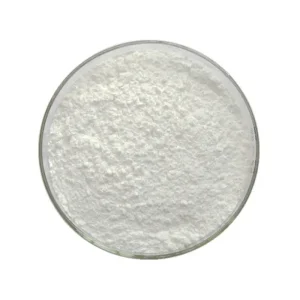
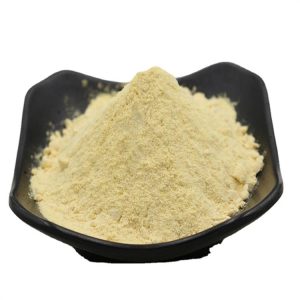
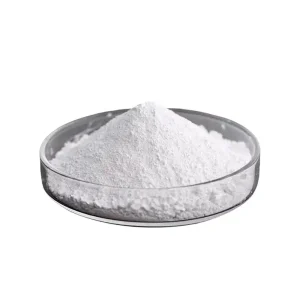
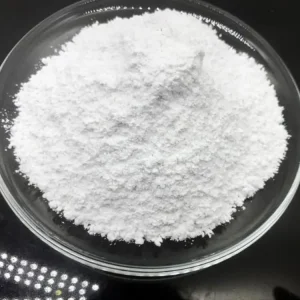
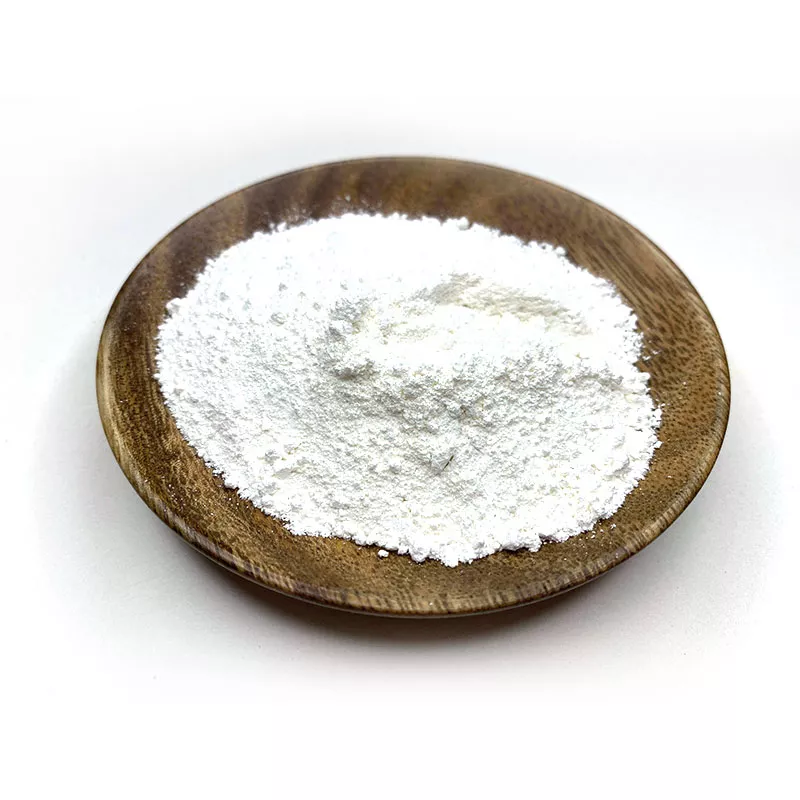
| Appearance | White to off-white crystalline powder |
| Moisture Content | ≤ 5% |
| Heavy Metals | Compliant with USP/EP limits |
| Microbial Count | Within food-grade thresholds |
| Residual Solvents | Below ICH Q3C limits |
| Molecular Weight | 309.27 g/mol (Neu5Ac) |
Beyond the CoA, responsible procurement should include a review of:
- Third-party testing reports from accredited laboratories
- Stability data across relevant temperature and humidity conditions
- Regulatory documentation (GRAS status, Novel Food registration where applicable, MSDS)
- Traceability records from raw material to finished sialic acid powder
Regulatory Landscape: What B2B Buyers Must Know
Sialic acid (acido sialico) occupies a nuanced regulatory position that varies by market:
United States: N-acetylneuraminic acid has been used in infant formula and supplement applications. Suppliers should be able to provide GRAS (Generally Recognized as Safe) documentation or self-affirmation dossiers relevant to intended use.
European Union: Sialic acid in novel food contexts requires authorization under the EU Novel Food Regulation (EU) 2015/2283. Buyers supplying EU markets should confirm that their raw material supplier can provide appropriate regulatory support documentation.
China: Given that a significant share of sialic acid raw material is manufactured in China, familiarity with NMPA and GB standards is important. Buyers should verify compliance with Chinese national standards for food additive raw materials.
Global Markets: ISO 22000 and GMP certification at the manufacturing facility level remain the baseline expectation for sialic acid wholesale supply into regulated markets.
Engaging a supplier who has already navigated these regulatory environments — and can provide the corresponding dossiers — significantly reduces time-to-market for downstream product developers.
Evaluating a Sialic Acid Manufacturer: A Practical Due Diligence Checklist
Not all suppliers offering sialic acid bulk quantities operate at the same standard. Use this framework when qualifying new sources:
Production Capability
- Does the manufacturer own and operate its fermentation or synthesis facilities, or is it a trading company reselling third-party product?
- What is the confirmed annual production capacity?
- Can they accommodate custom particle size, packing specifications, or OEM labeling?
Quality Systems
- Which certifications are current and verifiable: GMP, ISO 9001, ISO 22000, Halal, Kosher, NSF?
- Is third-party auditing conducted regularly?
- Are full CoAs and third-party lab reports provided with each batch?
Supply Chain Stability
- What are standard lead times for sialic acid bulk orders?
- Does the supplier maintain safety stock or operate on a make-to-order basis?
- What is the minimum order quantity (MOQ) for sialic acid wholesale pricing?
Technical Support
- Can the supplier provide formulation guidance, stability data, or application-specific documentation?
- Is there a dedicated technical team available for pre-sale and post-sale support?
Compliance Documentation
- Can they provide country-specific regulatory support for your target market?
- Are MSDS, CoA, and testing reports consistently available in English and other required languages?
Pricing Structure and Market Considerations for Sialic Acid Wholesale
Pricing for sialic acid powder in the wholesale and bulk market is influenced by several variables:
- Purity grade: Food-grade versus pharmaceutical-grade commands meaningfully different price points
- Order volume: Sialic acid bulk pricing typically scales with volume, with significant per-kilogram reductions at larger quantities
- Production method: Fermentation-derived sialic acid is generally more cost-competitive than extraction-based material at equivalent purity
- Packaging and handling: Specialized packaging for moisture-sensitive material may carry incremental costs
- Market conditions: Upstream raw material costs and energy pricing in manufacturing regions affect spot and contract pricing
For buyers establishing long-term supply agreements, negotiating pricing tied to volume commitments with defined quality guarantees typically delivers better commercial outcomes than transactional spot purchasing. Request formal quotations from at least two to three qualified sialic acid manufacturer candidates before finalizing supplier selection.
Applications Overview: Where Sialic Acid Raw Material Is Used
Understanding the downstream applications helps product developers and purchasing teams assess specification requirements more precisely:
Infant Nutrition Human breast milk contains acido sialico (sialic acid) at concentrations that support infant brain development. Infant formula manufacturers incorporate sialic acid raw material to more closely replicate breast milk composition, particularly in premium product tiers.
Cognitive Health Supplements As the nootropics and brain health supplement category continues to grow globally, sialic acid powder is increasingly formulated into capsule, tablet, and functional food formats targeting memory, focus, and neurological aging.
Pharmaceutical Research In biotech and pharmaceutical settings, sialic acid serves as a building block in the synthesis of antiviral compounds (including neuraminidase inhibitors) and as a research reagent in glycobiology studies.
Cosmetics and Dermatology The hygroscopic and cell-signaling properties of sialic acid make it a functional ingredient in premium skincare formulations, particularly those focused on barrier repair and anti-aging.
Summary
Sialic acid — N-acetylneuraminic acid, or acido sialico — represents a high-value, scientifically substantiated ingredient with expanding commercial applications across infant nutrition, cognitive health, pharmaceuticals, and cosmetics. For B2B buyers, successful procurement depends on identifying a sialic acid manufacturer with verified fermentation-based production, transparent quality documentation, current regulatory certifications, and demonstrated capacity to fulfill sialic acid bulk and wholesale orders reliably.
The most important due diligence steps are: confirm the supplier is an actual manufacturer (not a broker), verify all certifications independently, review third-party testing data, and assess technical support capability before committing to a supply relationship. Buyers who invest in thorough supplier qualification upfront consistently experience fewer quality incidents, fewer regulatory complications, and more stable supply chains over the long term.
Frequently Asked Questions (FAQ)
Q1: What is the difference between sialic acid and N-acetylneuraminic acid? N-acetylneuraminic acid (Neu5Ac) is the most common and commercially relevant member of the sialic acid family. In most commercial and regulatory contexts, “sialic acid” and “N-acetylneuraminic acid” are used interchangeably to refer to the same compound. Buyers should confirm the specific molecular form when reviewing supplier specifications.
Q2: What purity level should I require for sialic acid powder in nutraceutical applications? For dietary supplement and nutraceutical applications, a minimum purity of 98% by HPLC is the standard industry benchmark. Pharmaceutical applications may require higher purity grades with additional testing for residual solvents and endotoxins.
Q3: Is fermentation-derived sialic acid suitable for vegan and clean-label products? Yes. Fermentation-derived sialic acid raw material is produced without animal-derived inputs, making it compatible with vegan positioning. Always request written confirmation from your supplier regarding the production method and any processing aids used.
Q4: What is a typical MOQ for sialic acid wholesale pricing? MOQs vary by supplier and grade. For sialic acid bulk wholesale pricing, many manufacturers set MOQs ranging from 1 kg (for sampling) to 25 kg or more for contract pricing tiers. Confirm MOQ and lead time expectations early in the supplier qualification process.
Q5: How should sialic acid powder be stored to maintain stability? Sialic acid powder should be stored in a cool, dry, well-ventilated environment, away from direct light and moisture. Sealed packaging under nitrogen or with desiccant is recommended for long-term storage. Confirm specific storage conditions and shelf life with your supplier’s stability data.
Q6: Can a sialic acid manufacturer provide regulatory documentation for multiple markets simultaneously? Experienced manufacturers who supply global customers typically maintain documentation packages covering major regulatory frameworks (US, EU, China, etc.). However, buyers remain responsible for confirming that documentation meets the specific requirements of their local regulatory authority and intended product application.
About GOTHINK Biotech
GOTHINK Biotech is a professional manufacturer and global supplier of functional raw materials headquartered in China, led by scientists trained in pharmaceutical and biological sciences at institutions in the US and UK. Our production capabilities are grounded in advanced synthetic biology and microbial fermentation, enabling consistent, scalable supply of high-purity ingredients for nutraceutical, pharmaceutical, and food industry applications worldwide.
Our core product lines include:
- Coenzymes: NMN, NMNH, NAD+, NADH, NADP, NR, Coenzyme Q10, Folic Acid
- Human Milk Oligosaccharides (HMOs): 2′-Fucosyllactose (2′-FL), 3-Fucosyllactose (3-FL), Lacto-N-tetraose (LNT), Lacto-N-neotetraose (LNnT)
- Glucosamine Series: Glucosamine, Glucosamine Hydrochloride, Glucosamine Sulfate, N-Acetyl-Glucosamine
- Saccharide Derivatives: Sialic Acid (N-Acetylneuraminic Acid), Reb D, Reb M, Rh2/Rg3
GOTHINK Biotech holds current certifications including ISO 9001, ISO 22000, GMP, SGS, NSF, CQC, Halal, and Kosher. We provide full third-party testing reports, complete traceability documentation, and dedicated technical support for partners across North America, Europe, Asia-Pacific, and beyond. OEM and ODM manufacturing services are available with over 2,000 customized formulations developed annually.
For sourcing inquiries, bulk pricing, or technical documentation requests, contact our international sales team directly.