
Abstract
NAD+ (nicotinamide adenine dinucleotide oxidized form) and NADH (reduced form) are essential coenzymes involved in cellular energy production, metabolism, and redox balance. As we age, NAD+ levels decline, contributing to fatigue, reduced mitochondrial function, and age-related health concerns. Supplements aiming to boost NAD levels are popular, but the choice between direct NAD+ precursors (like NMN or NR) and NADH remains debated. This article explores the scientific differences, potential benefits, and considerations for supplementation, with a focus on high-quality sources such as stabilized NADH powder from reputable manufacturers. While precursors are often favored for long-term cellular health, NADH offers unique advantages for immediate energy support.
Understanding NAD+ and NADH: The Basics
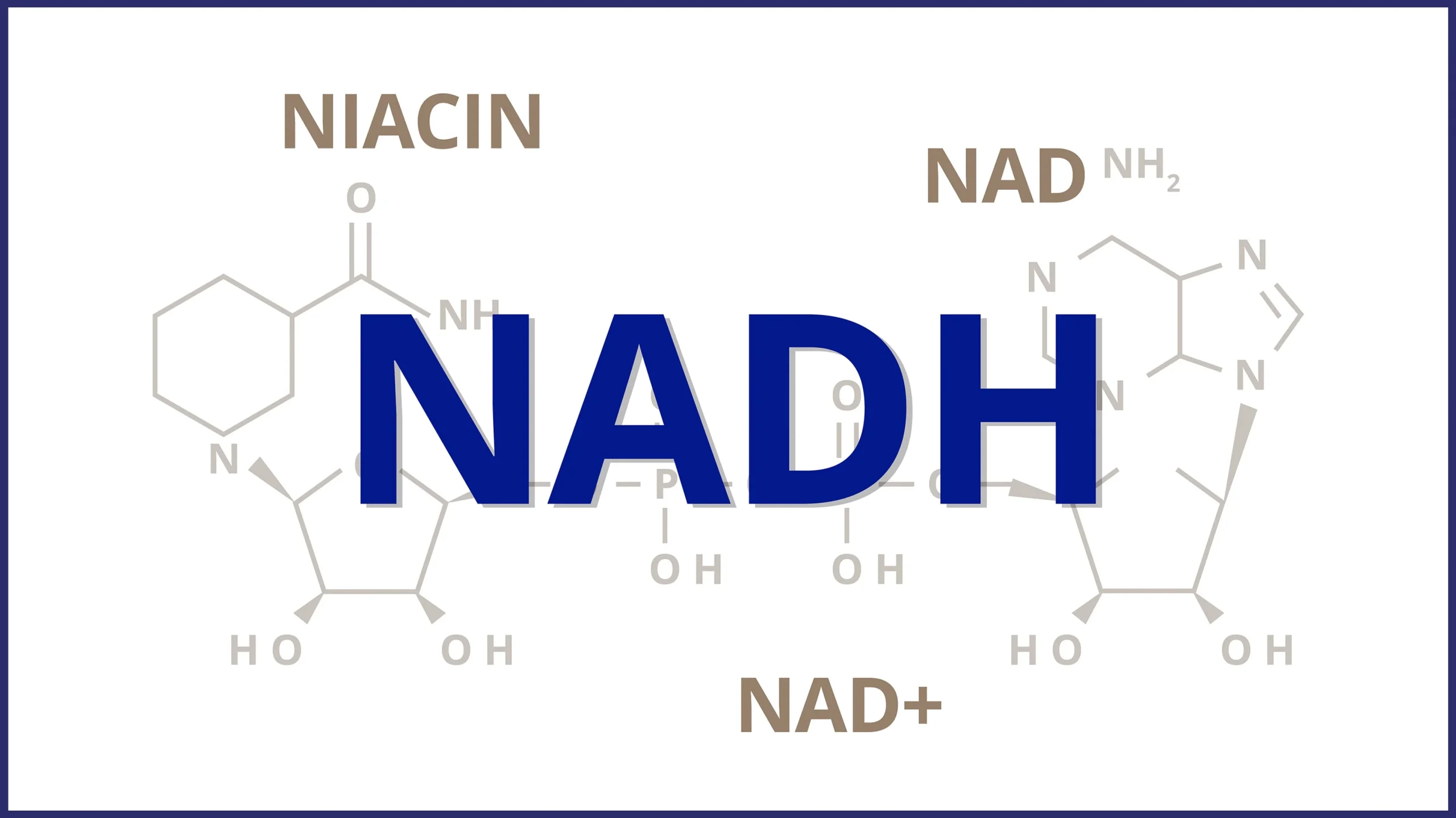
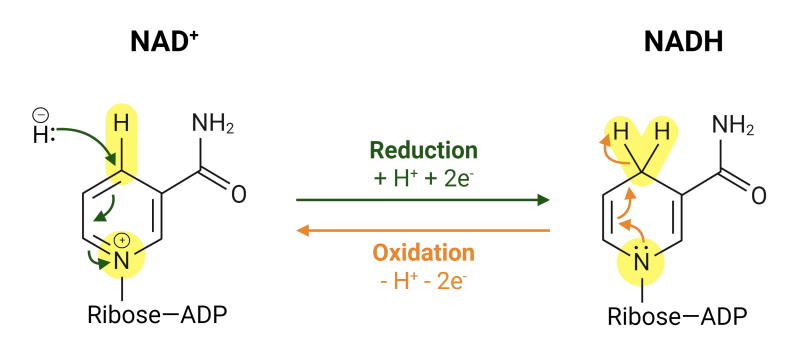
NAD exists in two forms: NAD+ (oxidized) and NADH (reduced). These molecules cycle between states, facilitating electron transfer in metabolic processes.
- NAD+ acts as an electron acceptor, supporting energy production, DNA repair, and sirtuin activation for longevity pathways.
- NADH donates electrons directly to the mitochondrial electron transport chain, contributing to ATP synthesis.
Research indicates that a higher NAD+/NADH ratio is associated with optimal mitochondrial function and cellular health. With aging, NAD+ levels drop while NADH may remain stable or increase, shifting this balance.
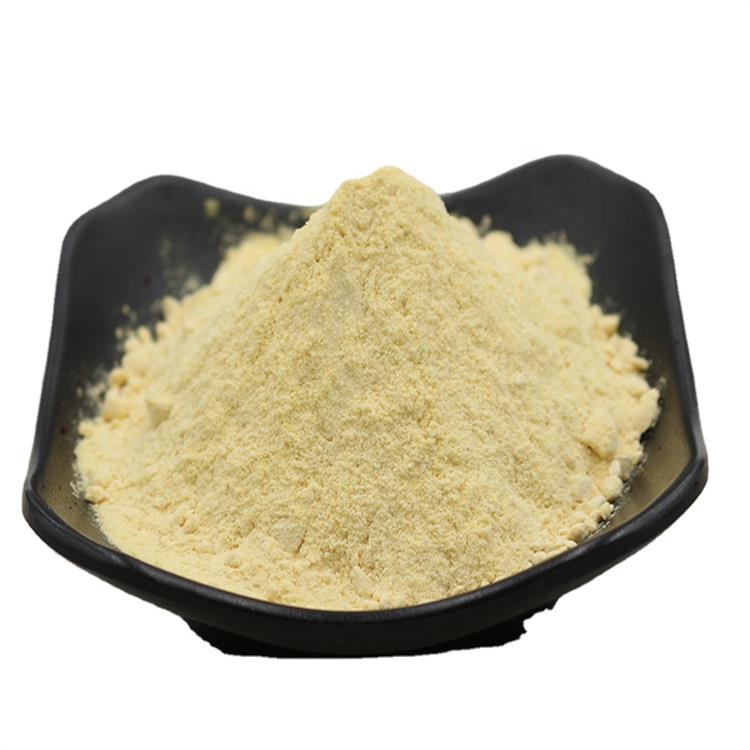
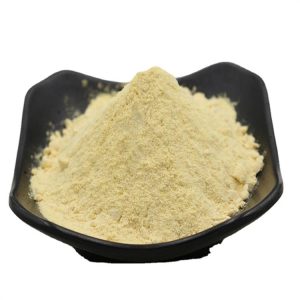
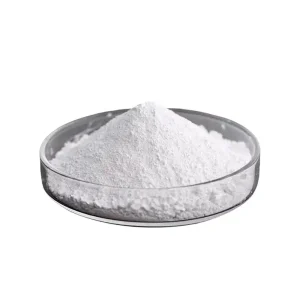
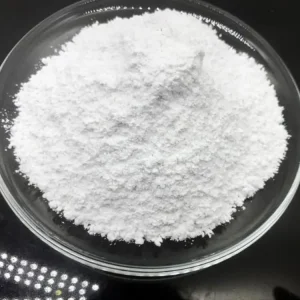
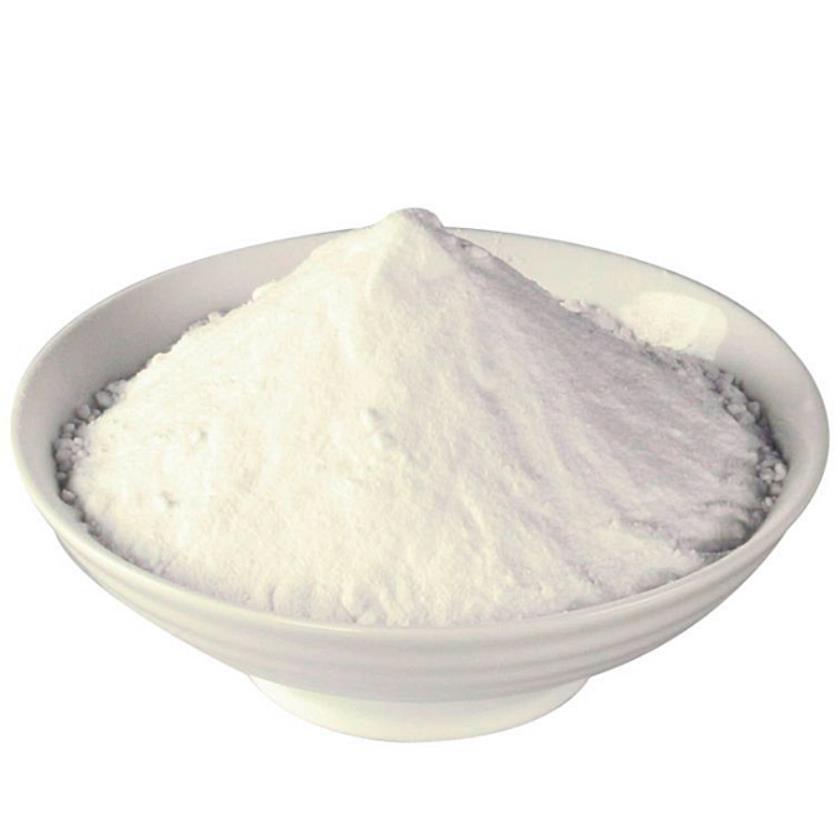
Direct supplementation with NADH powder provides the reduced form, which the body can rapidly utilize or convert as needed. High-purity NADH raw material, often stabilized for better bioavailability, is available from specialized manufacturers for bulk and wholesale applications in dietary supplements.
Key Differences Between NAD+ and NADH Supplements
The primary distinction lies in their roles and how the body processes them:
- Form and Function: NAD+ is the “empty” form ready to accept electrons, ideal for repair and anti-aging processes. NADH is the “loaded” form, directly fueling energy production.
- Bioavailability and Stability: Pure NADH is sensitive to light, oxygen, and pH, making it challenging to formulate. Advanced stabilization techniques (e.g., microencapsulation with natural compounds) ensure effective delivery in NADH powder form.
- Conversion: The body easily converts NAD+ to NADH, but reversing NADH to NAD+ requires energy. This makes boosting NAD+ via precursors more efficient for some goals.
Studies suggest precursors like NMN or NR (which raise NAD+) are preferred for broad anti-aging benefits, while direct NADH supplementation may provide quicker energy and cognitive support.
Potential Benefits of NADH Supplementation
Clinical research on NADH, though limited compared to precursors, shows promising results:
- Energy and Fatigue Reduction: NADH plays a direct role in ATP production. Trials in chronic fatigue syndrome (CFS/ME) patients reported improved fatigue scores, sleep quality, and quality of life when combining NADH with CoQ10.
- Cognitive Support: Preliminary studies link NADH to enhanced mental clarity and neurotransmitter synthesis.
- Other Areas: Early evidence suggests benefits for physical endurance and recovery.
For supplement manufacturers, sourcing high-quality NADH raw material in bulk allows formulation of targeted products. Reputable NADH powder manufacturers prioritize purity (often 95%+), stability, and third-party testing to meet dietary supplement standards.
NAD+ Precursors vs. Direct NADH: Which Is Better?
Most experts recommend NAD+ precursors (NMN, NR) for long-term health optimization due to:
- Broader support for DNA repair, sirtuins, and mitochondrial biogenesis.
- Better-studied decline in NAD+ with age.
However, NADH may suit those seeking immediate energy boosts or specific applications like fatigue management. Individual responses vary—consult a healthcare provider.
When choosing NADH, opt for stabilized forms from trusted manufacturers offering wholesale options to ensure potency.
Factors to Consider When Choosing a Supplement
- Goals: Long-term anti-aging? Prioritize precursors. Short-term energy? Consider NADH.
- Quality and Sourcing: Look for NADH powder from manufacturers with GMP certification, high purity, and stabilization technology.
- Dosage and Safety: Typical NADH doses are 5-20 mg daily; well-tolerated in studies.
- Combinations: Often paired with CoQ10 for synergistic effects.
Summary
The debate over NAD+ versus NADH highlights their complementary roles: precursors excel for sustaining NAD+ levels and anti-aging, while direct NADH offers rapid energy support. For dietary supplement brands, incorporating premium NADH raw material—available in bulk powder form from specialized manufacturers—provides a valuable option for niche products targeting energy and vitality. Always base choices on personal health needs and scientific evidence.
FAQ
1. What is the main difference between NAD+ and NADH? NAD+ is the oxidized form supporting repair and longevity, while NADH is the reduced form directly involved in energy production.
2. Should I take NAD+ precursors or NADH? Precursors (NMN/NR) are generally recommended for boosting overall NAD+ levels and anti-aging. NADH may be better for immediate energy and fatigue relief.
3. Is NADH supplementation safe? Yes, studies show NADH is well-tolerated at typical doses (5-20 mg/day), with minimal side effects.
4. Where can I source high-quality NADH for supplements? Reputable manufacturers offer stabilized NADH powder in bulk and wholesale quantities, ensuring purity and bioavailability for dietary supplement production.
5. Can NADH improve chronic fatigue? Some clinical trials in CFS patients showed reduced fatigue and better quality of life with NADH supplementation, often combined with CoQ10.
6. How does NADH stability affect its effectiveness? Unstabilized NADH degrades quickly. Look for advanced formulations from experienced raw material manufacturers for optimal results.