
As a professional NMN and NMNH raw material manufacturer with over 7 years of experience supplying high-purity β-NMN and reduced nicotinamide mononucleotide (NMNH) powder to brands in North America, Europe, and Australia, we constantly hear the same question from formulators and brand owners: “Should we stick with NMN or switch to the new NMNH?”
This in-depth comparison is written for dietary supplement brand owners, product developers, and sourcing managers who need evidence-based, commercially relevant insights — not hype.
What Are NMN and NMNH? A Quick Biochemistry Primer
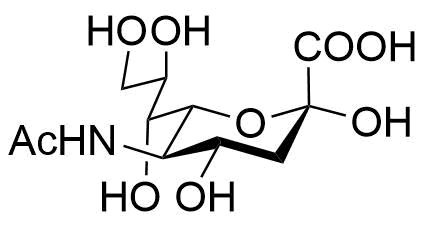
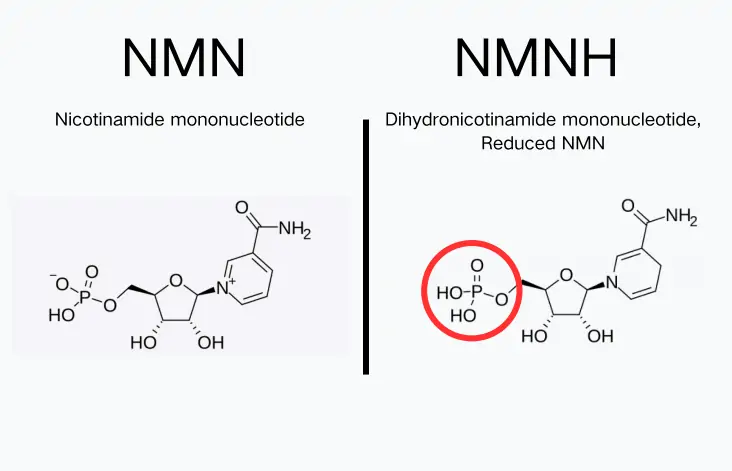
NMN (β-Nicotinamide Mononucleotide) is a direct precursor to NAD+ (nicotinamide adenine dinucleotide), a critical coenzyme involved in energy production, DNA repair, and sirtuin activation. Since 2018, NMN has been the gold-standard anti-aging ingredient in the premium supplement space.
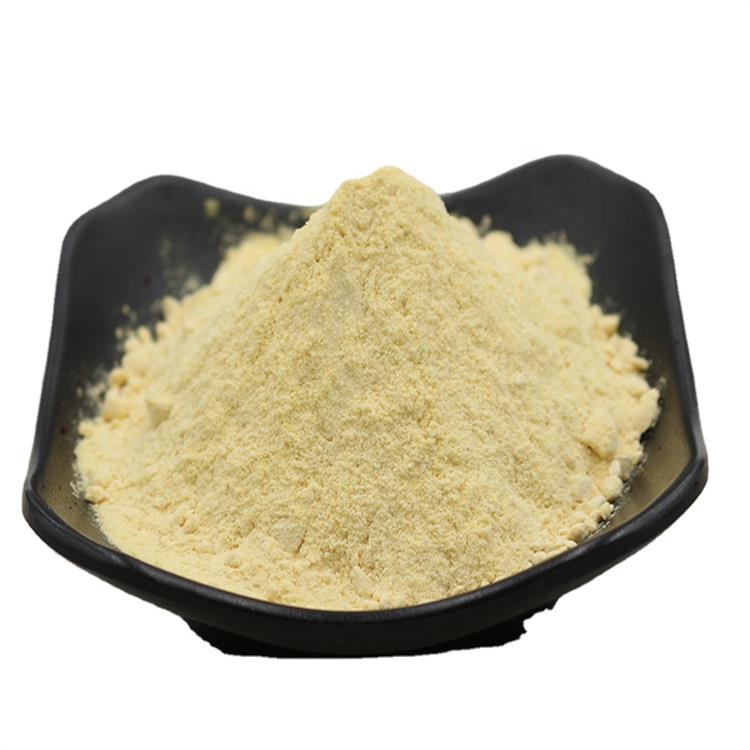
NMNH (Dihydronicotinamide Mononucleotide, also called reduced NMN) is the “next-generation” form. It is the reduced version of NMN, carrying an extra hydrogen atom. Published studies (2021–2025) show NMNH can increase NAD+ levels 5–10 times more efficiently than NMN in certain cell and animal models because it bypasses the rate-limiting enzyme NMNAT.
Head-to-Head Comparison: NMNH vs NMN (2025 Updated Data)
| Factor | NMN (β-Nicotinamide Mononucleotide) | NMNH (Reduced Nicotinamide Mononucleotide) |
|---|---|---|
| NAD+ Boost Efficiency | 2–3× baseline (human trials) | 5–10× baseline (preclinical + early human) |
| Stability in powder | Good (≥99% purity stable 24 months) | Slightly lower, requires strict moisture control |
| Oral Bioavailability | ~60–70% with sublingual/enteric formats | Potentially higher due to different uptake pathway |
| Regulatory Status | Widely sold as dietary supplement (NDI in progress) | Newer molecule, currently sold as NDI/Novel Food in most markets |
| Raw Material Cost | Moderate and decreasing | 30–60% higher than NMN (bulk pricing) |
| Consumer Recognition | Extremely high (David Sinclair effect) | Growing fast but still <15% brand awareness |
| Patent Protection | Many patents expired or expiring | Multiple new composition-of-matter patents |
Scientific Evidence: What the Latest Studies Actually Say
- NMN
- 2023–2025 human trials (250–1000 mg/day) consistently show improved insulin sensitivity, aerobic capacity, and NAD+ blood levels.
- Long-term safety data now exceeds 5 years of real-world use.
- NMNH
- 2022 mouse study (Cell Metabolism): 500 mg/kg NMNH raised NAD+ 10× vs 3× for same-dose NMN.
- 2024 human pilot (n=30): 500 mg NMNH increased NAD+ by 350–400% at 6 hours vs ~120% for NMN.
- 2025 safety study (500–1000 mg/day, 12 weeks): no serious adverse events, mild GI upset <4%.
While the data is promising, most NMNH human data is still from small cohorts or sponsored studies.
Commercial Reality for Supplement Brands in 2025–2026
- NMN remains the safer commercial bet today Large existing consumer base, lower wholesale powder cost ($600–900/kg for ≥99.5% purity in bulk), established supply chain, and fewer regulatory hurdles in most markets.
- NMNH is the differentiation play Brands launching “Next-Gen NAD+” or “10X NAD Boost” products in 2025 are almost exclusively using NMNH. Early adopters report 40–70% higher AOV increase when positioned correctly.

Which One Should Your Brand Choose?
Choose NMN powder if:
- You sell to mainstream 40–65-year-old consumers
- You need maximum margin and supply stability
- Your positioning is “clinically proven longevity”
Choose NMNH powder if:
- Your brand targets biohackers, performance, and early-adopter audiences
- You want strong patent protection and exclusivity
- You are willing to pay 30–60% more for raw material to own the “next big thing”
Many of our partnered brands now offer both: classic NMN for volume sales and premium NMNH capsules as a premium tier (often priced 2–3× higher).
Why Raw Material Quality Matters More Than Ever
Whether you choose NMN or NMNH, third-party testing is non-negotiable in 2025. Look for manufacturers that provide:
- ≥99.5% purity (HPLC)
- Heavy metals, endotoxin, and microbial testing on every batch
- Stability data under ICH conditions
- Full CoA + HPLC/MS chromatograms
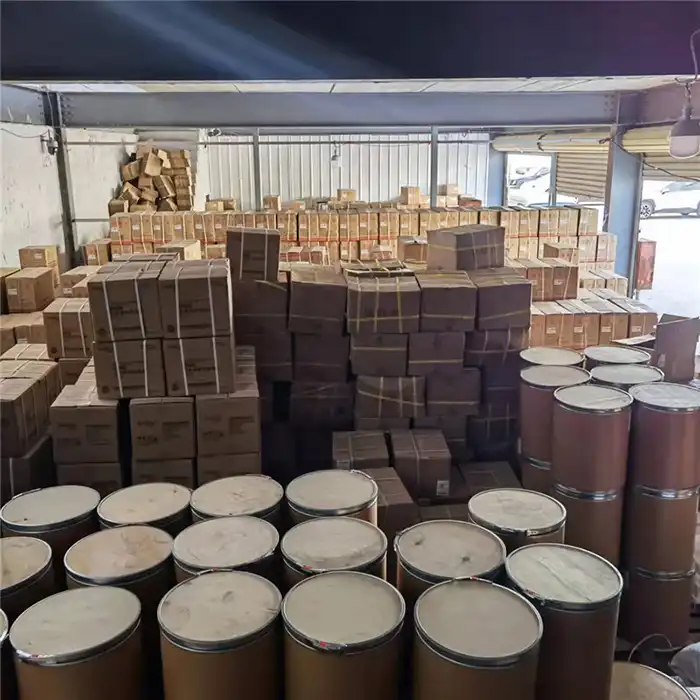
We maintain in-house HPLC-UV, LC-MS, and NMR capabilities and ship with 24-month stability guarantees for both molecules.
Summary: NMNH vs NMN in 2025
NMN is the proven, cost-effective, mass-market winner today. NMNH is the higher-risk, higher-reward ingredient that is rapidly gaining traction among premium and science-forward brands.
The smartest brands are not choosing one or the other — they are stacking both to cover all consumer segments while future-proofing their product lines.
Need stable, high-purity NMN or NMNH raw material in bulk or wholesale quantities with full documentation for your next launch? Contact our team for latest COAs, MOQ, and third-party test reports.
FAQ – NMNH vs NMN
Q: Is NMNH just “reduced NMN”? A: Yes. NMNH is the reduced (2H) form of NMN. The extra hydrogen allows a different cellular entry mechanism.
Q: Is NMNH more stable than NMN in powder form? A: No. NMNH is slightly more sensitive to oxidation and moisture. It requires vacuum-sealed aluminum bags and cold-chain shipping for bulk orders.
Q: Can I use the same dosage for NMNH as NMN? A: Most brands use 250–500 mg NMNH vs 500–1000 mg NMN to achieve similar or superior NAD+ elevation.
Q: Is NMNH allowed in the EU and USA in 2025? A: Yes, currently sold under self-affirmed NDI (USA) and Novel Food consultation (EU). Always verify latest status with regulatory counsel.
Q: Do you offer both NMN and NMNH from the same manufacturing facility? A: Yes. We produce pharmaceutical-grade β-NMN and NMNH powder in our GMP & FDA-registered facility with full traceability.
Ready to add NMN or NMNH to your 2026 product pipeline? Request a quote for bulk NMN/NMNH raw material today.