
Abstract
As the NAD+ precursor market continues to expand, ingredient buyers and formulators are increasingly evaluating not just NMN (nicotinamide mononucleotide), but also its reduced form, NMNH (dihydronicotinamide mononucleotide). While both compounds share a common biosynthetic goal — raising intracellular NAD+ levels — they differ significantly in chemical structure, stability, bioavailability, and manufacturing complexity. This article provides a science-grounded comparison of NMN and NMNH, designed to help procurement managers, brand owners, and contract manufacturers make informed sourcing decisions. Whether you are evaluating nmnh raw material for a new product line or scaling up nmnh bulk orders, understanding these distinctions is essential to building a differentiated, compliant, and commercially viable formulation.
1. Understanding the Basics: NMN and NMNH at a Glance
NMN (nicotinamide mononucleotide) has become one of the most commercially prominent NAD+ precursors in the nutraceutical industry. It is a nucleotide derived from ribose and nicotinamide, and it serves as a direct precursor to NAD+ through the salvage pathway.
NMNH (reduced nicotinamide mononucleotide, or dihydronicotinamide mononucleotide) is the reduced form of NMN. Structurally, NMNH carries two additional hydrogen atoms at the nicotinamide ring, which fundamentally alters both its biochemical behavior and its physical handling properties.
Both molecules belong to the broader family of NAD+ precursors that includes NR (nicotinamide riboside), NA (nicotinic acid), and NAM (nicotinamide). However, NMNH represents a newer, more chemically active iteration with properties that are attracting growing attention from researchers and product developers alike.
2. Structural and Chemical Differences
The core structural difference between NMN and NMNH lies in the oxidation state of the nicotinamide ring:
- NMN contains an oxidized nicotinamide ring. This is the standard, commercially mature form.
- NMNH contains a reduced nicotinamide ring, meaning it carries extra electrons (in the form of two hydrogen atoms). This makes NMNH a more energetically active molecule.
This seemingly small structural difference has significant downstream implications:
- Reactivity: NMNH is more chemically reactive than NMN, which affects formulation stability.
- Metabolic pathway: Emerging research suggests NMNH may convert to NADH (the reduced form of NAD+) more efficiently, and through a potentially different enzymatic route than NMN.
- Electron-donating capacity: Because NMNH is already in a reduced state, it may contribute directly to the cellular NADH pool, which plays a central role in mitochondrial energy production.
For formulators and brand developers, these chemical distinctions translate into real product design considerations, particularly around encapsulation, shelf life, and storage conditions.
3. Bioavailability and Metabolic Pathways
One of the most commercially relevant questions for formulators is: which compound is more bioavailable, and through what mechanism?
NMN is absorbed in the small intestine, where it is either converted to NR before cellular uptake or transported directly via the Slc12a8 transporter (as identified in murine studies). Inside the cell, NMN is phosphorylated into NAD+.
NMNH, by contrast, has been shown in preclinical studies to raise NAD+ levels more rapidly and to a greater magnitude than an equivalent dose of NMN. A key 2021 study published in iScience demonstrated that NMNH supplementation led to a faster and higher peak NAD+ response compared to NMN. The researchers proposed that NMNH may bypass certain rate-limiting enzymatic steps in the NAD+ biosynthesis pathway.
Importantly, NMNH appears to primarily increase NADH levels first, which is subsequently converted to NAD+. This distinction may matter for formulations targeting mitochondrial support or energy metabolism specifically.
For B2B buyers, this means:
- NMN remains the better-characterized ingredient with a broader clinical and regulatory track record.
- NMNH shows promise as a next-generation ingredient with potentially superior NAD+ elevation efficiency, making it attractive for premium or differentiated product lines.
4. Stability and Formulation Challenges
From a manufacturing and formulation standpoint, stability is a critical differentiator between NMN and NMNH.
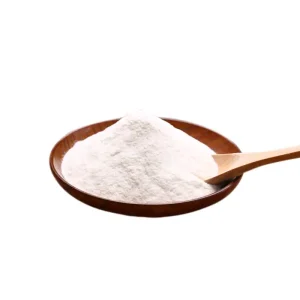
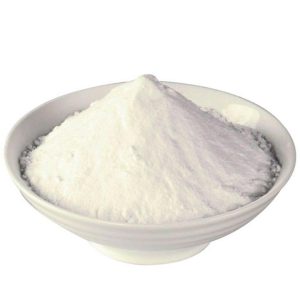
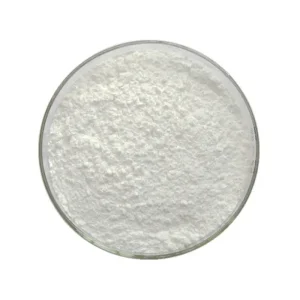
NMN is relatively stable under standard conditions. It is widely available as a white crystalline powder and can be handled with conventional encapsulation and blending equipment. It has a well-established stability profile across multiple pH environments.
NMNH, however, is inherently less stable due to its reduced chemical state. Key considerations include:
- Oxidation sensitivity: NMNH can oxidize back to NMN when exposed to air, moisture, or elevated temperatures. This means that proper inert atmosphere packaging, low-humidity manufacturing environments, and careful storage conditions are non-negotiable.
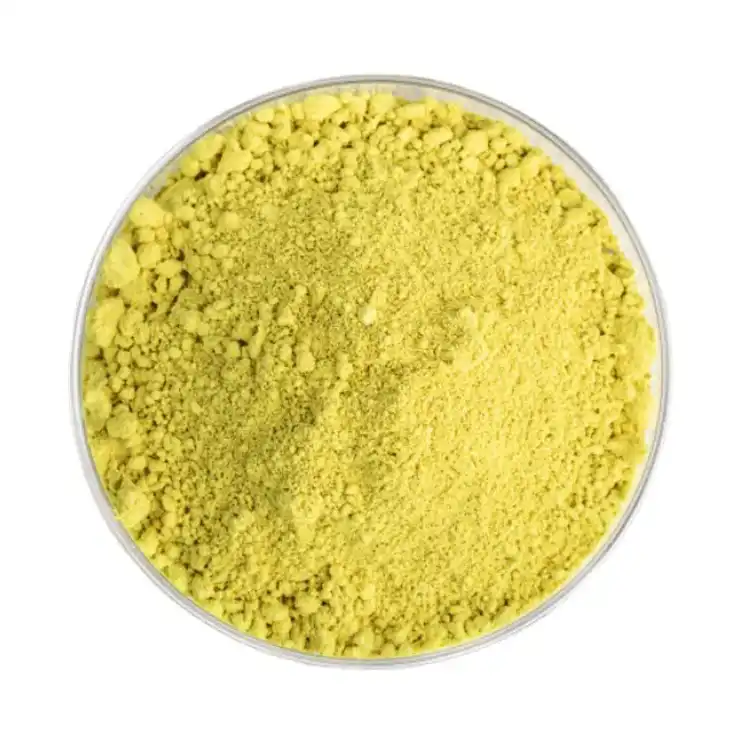
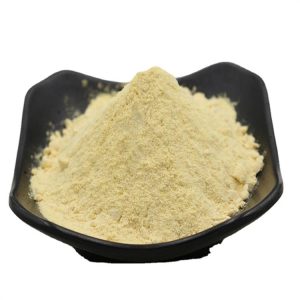
- Shelf life: Without proper stabilization, nmnh powder can degrade more rapidly than NMN, reducing potency over time.
- Manufacturing complexity: Producing high-purity, stable NMNH requires advanced process controls, including controlled atmosphere synthesis and specialized drying methods such as lyophilization or spray drying under nitrogen.
For brands considering NMNH as a raw material, sourcing from an experienced nmnh manufacturer with validated stability data and controlled manufacturing conditions is not optional — it is essential to ensuring product integrity from batch to finished goods.
5. Purity, Testing, and Quality Standards
When sourcing either NMN or NMNH at scale, purity specifications and third-party testing documentation are critical procurement criteria.
For NMN, industry standard purity is typically ≥98%, with well-established HPLC testing methods and broad availability of Certificates of Analysis (CoA), third-party lab reports, and regulatory filings across major markets.
For NMNH, the quality benchmarks being adopted by leading suppliers include:
- Purity: ≥95% to ≥98% by HPLC
- Heavy metals testing (Pb, As, Hg, Cd)
- Residual solvent analysis
- Microbial limit testing
- Stability studies under accelerated and real-time conditions
Because NMNH is a more recently commercialized ingredient, buyers should rigorously vet suppliers for the depth and transparency of their analytical documentation. Requesting multiple batch CoAs, third-party testing from accredited laboratories, and stability data under intended storage conditions is advisable before committing to nmnh bulk procurement.
Regulatory status also warrants attention. NMN has been reviewed under various frameworks, including in the US, EU, and Asia-Pacific markets. NMNH is still undergoing broader regulatory review in some jurisdictions, so legal review is recommended before market entry in specific regions.
6. Cost, Availability, and Sourcing Considerations
From a commercial perspective, NMN and NMNH occupy different positions in the ingredient supply landscape.
NMN is a mature commodity with multiple established manufacturers, competitive pricing at scale, and reliable global supply chains. It is available from numerous suppliers at nmnh wholesale price points that reflect high production volumes and process maturity.
NMNH is a more specialized ingredient. Due to the complexity of its synthesis and the additional process controls required, nmnh bulk pricing is generally higher than comparable NMN grades. However, as manufacturing capacity scales and demand grows, pricing is expected to become more competitive.
Key sourcing factors for NMNH include:
- Production capacity: Can the supplier consistently fulfill large-volume orders without quality compromises?
- Process validation: Is the synthesis route and purification process well-documented and validated?
- Regulatory support: Can the manufacturer provide regulatory dossiers, safety data sheets, and market-specific compliance documentation?
- Lead times: Given the handling complexity, what are realistic lead times for nmnh raw material orders?
Brands entering the NMNH market early have an opportunity to differentiate, but this requires working closely with a capable and transparent nmnh manufacturer rather than simply price-shopping.
7. Which Is Right for Your Product Line?
The choice between NMN and NMNH is not simply about which compound is “better” — it depends on your product positioning, target market, regulatory environment, and formulation capabilities.
Consider NMN if:
- You are entering the NAD+ precursor market for the first time and want a well-established, broadly regulated ingredient.
- Your formulation team is working with standard encapsulation or tablet manufacturing without specialized atmosphere controls.
- Price sensitivity is a primary factor for your product category.
Consider NMNH if:
- You are developing a premium or next-generation NAD+ product and want a differentiated positioning narrative backed by emerging science.
- Your manufacturing partner or CMO can handle oxygen-sensitive ingredients appropriately.
- You are targeting markets or retail channels where scientific novelty and higher potency claims carry premium value.
- You are building a long-term ingredient pipeline and want to establish early supply chain relationships before the market matures.
Many brands are also exploring combination formulations that include both NMN and NMNH, leveraging the stability and regulatory clarity of NMN alongside the potency profile of NMNH.
Summary
NMN and NMNH are closely related but meaningfully distinct NAD+ precursors. NMN is the established, commercially mature option with broad regulatory acceptance and competitive supply. NMNH is the reduced, next-generation form that demonstrates enhanced NAD+ elevation efficiency in early research, but requires more sophisticated handling, stricter quality controls, and experienced manufacturing partnerships. For B2B buyers — whether in dietary supplements, functional foods, or pharmaceutical applications — the decision to source nmnh powder or nmnh bulk material should be grounded in a clear understanding of these differences, matched against your product’s positioning, your supply chain capabilities, and your regulatory obligations. Partnering with a specialized nmnh manufacturer who can provide full analytical transparency, stable supply, and technical support is the most reliable path to a successful market launch.
Frequently Asked Questions (FAQ)
Q1: Is NMNH the same as NMN? No. While both are NAD+ precursors, NMNH (dihydronicotinamide mononucleotide) is the reduced form of NMN. It carries additional hydrogen atoms on the nicotinamide ring, which gives it different chemical, metabolic, and stability properties compared to standard NMN.
Q2: Does NMNH raise NAD+ levels more effectively than NMN? Preclinical research suggests that NMNH may raise NAD+ levels more rapidly and to a greater extent than equivalent doses of NMN. However, human clinical trial data for NMNH is still limited compared to the existing evidence base for NMN. Formulators should monitor the evolving literature and frame claims accordingly within their regulatory jurisdiction.
Q3: What are the main challenges when sourcing NMNH raw material? The primary challenges are stability management (NMNH oxidizes under ambient conditions), the need for specialized manufacturing and packaging under inert atmospheres, and the importance of rigorous quality documentation. Working with an experienced nmnh manufacturer with validated processes is strongly recommended.
Q4: What purity level should I expect when buying nmnh powder? For nutraceutical-grade nmnh powder, look for a minimum purity of 95% by HPLC, with full supporting analytical documentation including CoA, third-party testing, heavy metals analysis, and residual solvent data. Premium suppliers targeting pharmaceutical-adjacent applications may offer ≥98% purity grades.
Q5: Is NMNH available for nmnh wholesale or bulk purchasing? Yes, NMNH is available for bulk and wholesale procurement from specialized manufacturers. However, given the production complexity, it is advisable to qualify suppliers thoroughly — including site audits, batch consistency reviews, and stability data requests — before committing to large-scale nmnh bulk orders.
Q6: Can NMNH be combined with NMN in a single formulation? Yes, combination formulations are feasible and are being explored by several brands. However, compatibility testing, stability studies of the combined matrix, and careful encapsulation design are required to ensure ingredient integrity over the product’s shelf life.
Q7: What certifications should a reputable NMNH manufacturer hold? At minimum, look for ISO 9001 (quality management), ISO 22000 or GMP (food safety and manufacturing), and third-party testing from accredited laboratories. Additional certifications such as Halal, Kosher, or NSF add commercial value for specific markets.
About GOTHINK Biotech
GOTHINK Biotech is a professional manufacturer and global supplier of functional raw materials, specializing in the production of high-purity ingredients for nutraceutical, dietary supplement, and pharmaceutical applications.
Our core product lines include:
- Coenzymes: NMN, NMNH, NADH, NAD+, NADP, NRHM, Coenzyme Q10, Folic Acid
- Human Milk Oligosaccharides (HMOs): 2′-FL, 3-FL, LNnT, LNT
- Glucosamine Series: Glucosamine, Glucosamine Hydrochloride, Glucosamine Sulfate, N-Acetyl-Glucosamine
- Saccharide Derivatives: Sialic Acid, N-Acetylneuraminic Acid, Reb D, Reb M, Rh2/Rg3
GOTHINK Biotech holds certifications including ISO 9001, ISO 22000, GMP, SGS, NSF, CQC, Halal, and Kosher, and provides comprehensive third-party testing documentation for every product. Our scientific leadership team, trained in leading pharmaceutical and biological sciences programs in the US and UK, ensures that every batch meets the rigorous standards our global partners depend on.
We offer OEM/ODM manufacturing services, flexible nmnh bulk and nmnh wholesale supply arrangements, and dedicated technical support to help brands bring compliant, differentiated products to market efficiently.
For sourcing inquiries regarding nmnh powder, nmnh raw material, or any other ingredient in our portfolio, we welcome direct outreach from qualified buyers and brand partners worldwide.