
Abstract
NAD+ and NADH are two redox states of the same coenzyme — nicotinamide adenine dinucleotide — but they differ fundamentally in their biochemical roles, stability profiles, and commercial applications. For nutraceutical formulators, supplement brands, and pharmaceutical manufacturers evaluating coenzyme raw materials, understanding the distinction between NAD+ and NADH is essential for ingredient selection, formulation design, and supplier qualification. This article provides a science-grounded comparison of NADH and NAD+, with practical guidance for businesses sourcing NADH powder, NADH raw material, and NADH bulk quantities from a qualified NADH manufacturer.
1. Defining the Terms: NAD, NAD+, and NADH
Before comparing NADH and NAD+, it is useful to clarify the terminology, which is frequently used inconsistently in commercial and scientific literature.
NAD — nicotinamide adenine dinucleotide — is the generic name for the coenzyme in both its oxidized and reduced forms. The term “NAD” alone does not specify a redox state; it is an umbrella designation.
NAD+ refers specifically to the oxidized form of the coenzyme. The “+” denotes a positive charge on the nitrogen atom of the nicotinamide ring. NAD+ is the electron acceptor state: it gains electrons and hydrogen during metabolic reactions to become NADH.
NADH is the reduced form of NAD+. The “H” indicates that a hydride ion (H⁻, equivalent to a proton plus two electrons) has been added to the nicotinamide ring. NADH is the electron donor state: it releases electrons during the mitochondrial electron transport chain to regenerate NAD+ and produce ATP.
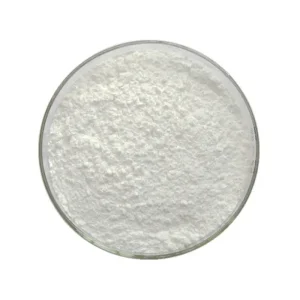
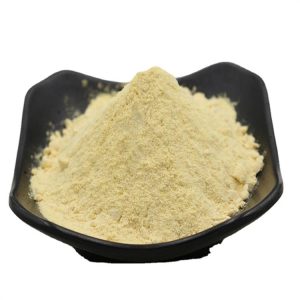
In commercial ingredient markets, both NAD+ and NADH are manufactured and supplied as dry powders. They are distinct chemical entities with different CAS numbers, distinct analytical profiles, and different handling requirements. Buyers specifying one form should confirm with their NADH manufacturer or NAD+ supplier that the correct redox form is being provided, as the two are sometimes confused in product listings.
2. Structural and Chemical Differences at a Glance
The table below summarizes the key chemical and commercial differences between NAD+ and NADH for quick reference.
| Property | NAD+ | NADH |
| Redox state | Oxidized | Reduced |
| Charge | Positively charged (NAD⁺) | Neutral |
| Primary role | Electron acceptor | Electron donor |
| ATP production | Indirect (precursor/recycled form) | Direct (feeds ETC for ATP synthesis) |
| Antioxidant activity | Limited | Yes (neutralizes ROS) |
| Stability (powder) | Relatively stable | More sensitive to heat, light, moisture |
| Sirtuin activation | Yes (direct substrate) | Indirect (via conversion to NAD+) |
| Typical purity | ≥98% (commercial grade) | ≥95–99%+ (commercial grade) |
| Commercial form | Disodium salt powder | Disodium salt powder |
3. Biochemical Functions: How NADH and NAD+ Differ in the Cell
3.1 Energy Metabolism
Both NAD+ and NADH participate in energy metabolism, but they do so at different stages and in opposite directions.
During glycolysis and the citric acid (TCA) cycle, NAD+ accepts electrons from metabolic substrates, becoming NADH. This is the “charging” step: NADH accumulates stored electrochemical energy in the form of a high-energy hydride ion.
NADH then delivers these electrons to Complex I of the mitochondrial electron transport chain (ETC). As electrons flow through the ETC, a proton gradient is established across the inner mitochondrial membrane, driving ATP synthase to produce ATP. Each molecule of NADH oxidized by Complex I contributes approximately 2.5 molecules of ATP.
In this cycle, NADH is the energy-carrying molecule; NAD+ is the regenerated byproduct that becomes available for the next round of substrate oxidation. An adequate supply of both forms is necessary for continuous energy production. Cellular NAD+ depletion — a feature of aging and certain metabolic diseases — limits NADH regeneration capacity and reduces ATP output.
3.2 Sirtuin Activation and Longevity Signaling
Sirtuins are NAD+-dependent deacylase enzymes involved in gene regulation, metabolic adaptation, and longevity signaling. They use NAD+ as a co-substrate, consuming it in the process of removing acyl groups from proteins such as histones and transcription factors.
NADH does not directly activate sirtuins. In fact, elevated NADH relative to NAD+ (a high NADH/NAD+ ratio) can inhibit sirtuin activity indirectly by limiting NAD+ availability. This distinction is commercially relevant: products marketed specifically for sirtuin activation or longevity pathways are more commonly formulated with NAD+ precursors (such as NMN or NR) rather than NADH itself.
NADH’s commercial positioning is therefore more focused on direct energy support, antioxidant function, and neurological applications — areas where its electron-donating activity provides direct physiological value.
3.3 Antioxidant Defense
NADH serves as a direct intracellular antioxidant. It neutralizes reactive oxygen species (ROS) and participates in the recycling of oxidized glutathione, a key component of the body’s antioxidant defense system. NAD+ does not share this direct antioxidant function.
For formulators developing products with an antioxidant or cellular protection positioning, NADH raw material offers a mechanistically grounded active ingredient that differs meaningfully from NAD+ in this specific regard.
3.4 Neurotransmitter Biosynthesis
NADH is a cofactor for tyrosine hydroxylase, the rate-limiting enzyme in the biosynthesis of dopamine, norepinephrine, and epinephrine. This makes NADH — rather than NAD+ — the form most relevant to catecholamine neurotransmitter support formulations.
Research has examined NADH supplementation in the context of Parkinson’s disease (dopamine deficiency), cognitive function, and chronic fatigue syndrome, with preliminary findings supporting its role in neurological energy support. NAD+ has a different neurological profile, primarily through its role in DNA repair enzymes (PARPs) and sirtuin-mediated gene regulation rather than direct neurotransmitter cofactor activity.
4. Stability and Handling: Practical Differences for Formulators
From a practical standpoint, NADH and NAD+ differ in their stability characteristics, which has direct implications for formulation, packaging, and storage of NADH bulk and NAD+ bulk ingredients.
4.1 NADH Stability Considerations
NADH is more susceptible to degradation than NAD+. The reduced form is sensitive to:
- Heat: NADH degrades more rapidly at temperatures above 25°C. Refrigerated storage (2–8°C) is strongly recommended for long-term NADH bulk inventory.
- Light: NADH is photosensitive. Packaging should be opaque or amber-colored, and exposure to UV light should be minimized during processing.
- Moisture: NADH is hygroscopic and should be stored in sealed, desiccated containers. Relative humidity should be maintained below 60%.
- Oxidation: In the presence of oxygen, NADH can be oxidized back to NAD+, reducing the active content. Inert gas (nitrogen) blanketing during packaging is a recommended best practice.
When sourcing NADH powder or NADH raw material, buyers should request stability testing data from their NADH manufacturer, including accelerated stability results and defined shelf-life specifications under stated storage conditions.
4.2 NAD+ Stability Considerations
NAD+ in its disodium salt form is generally more stable than NADH under ambient conditions, though it still requires protection from moisture and elevated temperatures. Its greater stability makes it somewhat more forgiving in standard supplement manufacturing environments, but cold chain handling remains advisable for long-term storage.
4.3 Bioavailability and Delivery Format
Both NAD+ and NADH have limited oral bioavailability due to degradation in the gastrointestinal tract. For NADH, sublingual delivery has been the most widely studied and commercially adopted route, as it bypasses first-pass hepatic metabolism and improves systemic absorption. Enteric coating or microencapsulation of NADH powder is also used to improve stability and gastrointestinal tolerance in oral formulations.
For brands developing NADH-containing products, discussing delivery format options with an experienced NADH manufacturer early in the product development process is advisable to align ingredient specifications with formulation requirements.
5. Commercial Applications: When to Choose NADH vs. NAD+
For B2B buyers selecting between NADH and NAD+ raw materials, the decision should be driven by the intended product positioning and the specific physiological mechanisms being targeted.
5.1 Applications Where NADH Is Preferred
- Energy support formulations targeting direct ATP production via the mitochondrial ETC
- Antioxidant and cellular protection products
- Neurological and cognitive health formulations (dopamine/catecholamine pathway support)
- Chronic fatigue and mitochondrial dysfunction applications
- Products requiring a reduced coenzyme with direct electron-donating activity
5.2 Applications Where NAD+ or Its Precursors Are Preferred
- Longevity and sirtuin-activation formulations
- DNA repair and genomic stability support
- Products focusing on NAD+ pool restoration (often via NMN or NR)
- Formulations where stability and ambient handling are primary concerns
Many commercial products in the coenzyme category include both forms, or combine NADH with NAD+ precursors to address multiple physiological pathways simultaneously. In such cases, understanding the distinct contribution of each ingredient is essential for accurate label claims and regulatory compliance.
6. Sourcing Guide: What to Look for in an NADH Manufacturer
For businesses procuring NADH powder, NADH raw material, or NADH bulk quantities, supplier qualification is a critical step. The following criteria should be evaluated as part of any NADH wholesale procurement process.
6.1 Manufacturing Process and Vertical Integration
Reputable NADH manufacturers produce NADH through controlled biosynthetic or chemical synthesis processes and control the full production chain from synthesis to final powder. Buyers should avoid commodity traders who cannot provide traceability documentation for the manufacturing site. Ask directly: Does the supplier manufacture NADH in-house, or is it sourced from a third-party producer?
6.2 Analytical Documentation
A rigorous certificate of analysis (CoA) should include HPLC purity (≥95% minimum for standard grade; ≥98% for pharmaceutical applications), water content by Karl Fischer titration, residual solvents, heavy metals panel (lead, mercury, arsenic, cadmium), microbiological limits, specific optical rotation, and pH (for aqueous solutions).
For NADH specifically, the CoA should confirm the reduced form is being supplied, as NAD+ and NADH have different HPLC retention times and can be distinguished analytically. Requesting and reviewing HPLC chromatograms — not just the purity figure — is recommended for first-time supplier evaluation.
6.3 Quality Certifications
Essential certifications for NADH raw material destined for supplement or pharmaceutical markets include GMP (Good Manufacturing Practice), ISO 9001, ISO 22000, and third-party verification through bodies such as NSF or SGS. For market-specific requirements, Halal and Kosher certification may also be necessary.
6.4 Stability Data and Shelf Life
Buyers should request accelerated stability study results and real-time stability data. NADH manufacturers should be able to provide documented shelf-life specifications (typically 24 months under defined storage conditions) supported by analytical data, not simply asserted timelines.
6.5 Minimum Order Quantities and Lead Times
NADH is a premium coenzyme with higher production costs than commodity supplements. Minimum order quantities (MOQs) for NADH wholesale orders typically range from several hundred grams to kilogram-scale, depending on the supplier and grade. Confirm lead times, packaging options (vacuum-sealed under nitrogen), and cold chain shipping arrangements before finalizing procurement terms.
7. Summary
NADH and NAD+ are chemically related but functionally distinct. NAD+ is the oxidized, electron-accepting form of the coenzyme, serving as a substrate for sirtuins and PARP enzymes involved in gene regulation and DNA repair. NADH is the reduced, electron-donating form, directly powering ATP production in the mitochondrial electron transport chain, acting as an intracellular antioxidant, and serving as a cofactor for catecholamine neurotransmitter synthesis.
For B2B buyers, choosing between NADH raw material and NAD+ (or its precursors such as NMN and NR) requires a clear understanding of the intended product application and the mechanisms being targeted. NADH powder is the preferred choice for energy, antioxidant, and neurological applications; NAD+ precursors are typically favored for longevity and sirtuin-activation formulations.
In either case, rigorous supplier qualification — including purity verification, manufacturing site traceability, valid certifications, and documented stability data — is essential for product integrity and regulatory compliance. Working with an established, vertically integrated NADH manufacturer provides the greatest assurance of consistent quality across NADH bulk and NADH wholesale orders.
Frequently Asked Questions (FAQ)
Q1: Are NAD and NAD+ the same thing?
In most scientific and commercial contexts, “NAD” is used as shorthand for “NAD+” — the oxidized form of nicotinamide adenine dinucleotide. Strictly speaking, NAD is the generic term covering both the oxidized (NAD+) and reduced (NADH) forms. Buyers should confirm which specific redox form they are procuring, as the two have different CAS numbers, analytical profiles, and applications.
Q2: Can NADH convert to NAD+ in the body?
Yes. The interconversion of NADH and NAD+ is a continuous and fundamental aspect of cellular metabolism. NADH donates electrons to the mitochondrial electron transport chain, regenerating NAD+. This cycling allows the cell to maintain energy production continuously. Supplemental NADH contributes to this pool, potentially supporting NAD+ availability as well as providing direct energy support as NADH.
Q3: Why is NADH powder more expensive than NAD+ or NMN?
NADH is more challenging to manufacture and stabilize than its oxidized counterpart NAD+ or NAD+ precursors such as NMN and NR. Its sensitivity to heat, light, oxygen, and moisture requires more controlled manufacturing conditions and more sophisticated packaging. These factors contribute to higher production costs, which are reflected in the pricing of NADH raw material and NADH wholesale orders.
Q4: What is the typical shelf life of commercial NADH powder?
When stored under appropriate conditions (2–8°C, sealed under nitrogen, protected from light and moisture), high-quality NADH powder from a reputable NADH manufacturer typically has a shelf life of 24 months. Storage at room temperature significantly reduces shelf life. Buyers sourcing NADH bulk material should always confirm the shelf life specification and storage conditions stated by the supplier and verify these against their own storage capabilities.
Q5: Is NADH suitable for sublingual tablet formulations?
Yes, sublingual delivery is one of the most established and effective formats for NADH supplementation. Sublingual absorption bypasses first-pass hepatic metabolism, improving bioavailability compared to standard oral tablets or capsules. Formulators developing sublingual NADH products should work with their NADH manufacturer to ensure the powder specification — particle size, moisture content, and excipient compatibility — is appropriate for sublingual tablet manufacture.
Q6: How do I verify that a supplier is providing genuine NADH rather than NAD+?
The most reliable verification method is HPLC analysis with comparison to a reference standard. NADH and NAD+ have distinct UV-Vis absorption profiles and different HPLC retention times. A reputable NADH manufacturer will provide HPLC chromatograms as part of the CoA package. Buyers may also conduct independent third-party testing of incoming NADH bulk material as part of incoming quality control. If a supplier cannot provide HPLC data confirming the reduced form, this is a significant red flag.
About GOTHINK Biotech
GOTHINK Biotech is a professional manufacturer and global supplier of functional raw materials based in China, serving nutraceutical brands, pharmaceutical manufacturers, and supplement formulators in markets worldwide. Our scientific team — led by specialists trained at leading US and UK institutions in pharmaceutical and biological sciences — applies cutting-edge synthetic biology to produce premium-grade coenzymes and bioactive ingredients with consistent quality at commercial scale.
Our core product lines include:
- Coenzymes: NADH, NAD+, NMN, NMNH, NADP, NR, Coenzyme Q10, Folic Acid
- Human Milk Oligosaccharides (HMOs): 2′-FL, 3-FL, LNnT, LNT
- Glucosamine Series: Glucosamine, Glucosamine Hydrochloride, Glucosamine Sulfate, N-Acetyl-Glucosamine
- Saccharide Derivatives: Sialic Acid, N-Acetylneuraminic Acid, Reb D, Reb M, Rh2/Rg3
GOTHINK maintains comprehensive quality certifications including ISO 9001, ISO 22000, GMP, SGS, NSF, CQC, Halal, and Kosher. We develop over 2,000 customized formulations annually and provide full third-party testing reports for all products. Our integrated global supply chain ensures stable, large-scale delivery with consistent availability and reliable lead times.
For businesses sourcing NADH powder, NADH raw material, NADH bulk, or NADH wholesale supply — or seeking OEM/ODM manufacturing partnerships — the GOTHINK Biotech technical sales team is available to discuss specifications, sampling, and commercial terms.