
Executive Summary
As a pivotal coenzyme in cellular energy metabolism and redox reactions, NADH (Reduced Nicotinamide Adenine Dinucleotide) has gained significant traction in the global nutraceutical and pharmaceutical sectors. This article explores the technical specifications, manufacturing standards, and supply chain considerations for NADH powder, providing procurement professionals and product formulators with data-driven insights. By understanding the complexities of NADH raw material stability and quality certification, businesses can make informed decisions when selecting a NADH manufacturer for bulk or wholesale requirements.
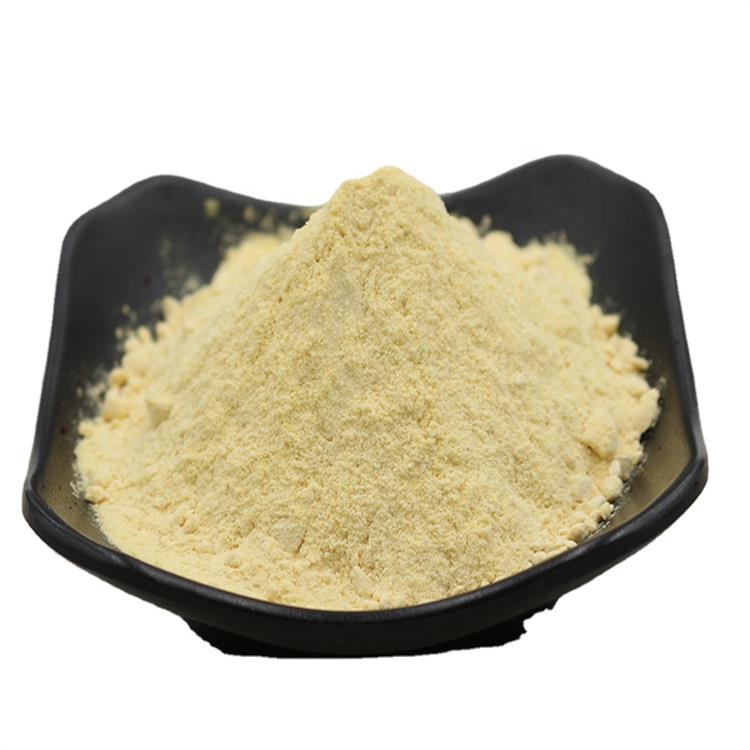
Understanding NADH: The Biological Role and Market Demand
NADH is the reduced form of nicotinamide adenine dinucleotide, a central cofactor found in all living cells. It plays a critical role in the mitochondrial electron transport chain, facilitating the production of ATP (adenosine triphosphate). Beyond its primary function in energy metabolism, NADH is an essential component in cellular repair mechanisms and antioxidant defense systems.
For brands looking to develop high-efficacy dietary supplements, sourcing high-purity NADH powder is the foundational step. The growing body of research into longevity and metabolic health has shifted NADH raw material from a niche ingredient to a staple in advanced wellness formulations.
Technical Challenges in NADH Raw Material Production
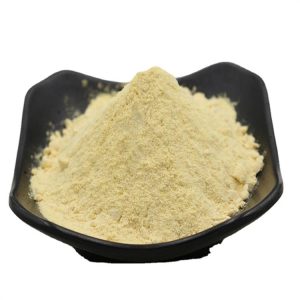
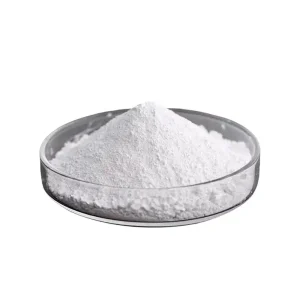
The production of NADH powder through synthetic biology and biomanufacturing requires precise control to maintain the molecule’s integrity. Because NADH is highly sensitive to light, moisture, and temperature, the NADH manufacturer must employ advanced stabilization techniques to prevent premature oxidation.
Key technical considerations for bulk procurement include:
● Purity Levels: High-grade NADH powder typically requires high purity to ensure efficacy in final formulations.
● Stability Profiles: Understanding the degradation rate of the NADH raw material under various storage conditions is vital for shelf-life labeling.
● Bioavailability: The formulation of the raw material must allow for optimal absorption once processed into capsules or tablets.
Criteria for Selecting a Qualified NADH Manufacturer
When sourcing NADH wholesale, evaluating the supplier’s manufacturing environment is critical for ensuring consumer safety and regulatory compliance. A reliable NADH manufacturer should demonstrate excellence in the following areas:
1. Comprehensive Quality Certifications
The facility must adhere to global standards. Look for certifications such as GMP, ISO 9001, and ISO 22000 to ensure a rigorous food safety management system. For international market access, additional certifications like Halal, Kosher, and NSF are essential.
2. Analytical Transparency
A trustworthy supplier provides full third-party testing reports. This level of transparency ensures complete traceability and trust, allowing the buyer to verify the assay and microbial limits of the NADH powder.
3. R&D and Customization Capabilities
Leading manufacturers often have a robust research pipeline, led by scientists trained in globally recognized institutions. This expertise allows for the development of customized formulations—over 2,000 annually in some cases—to meet specific market needs.
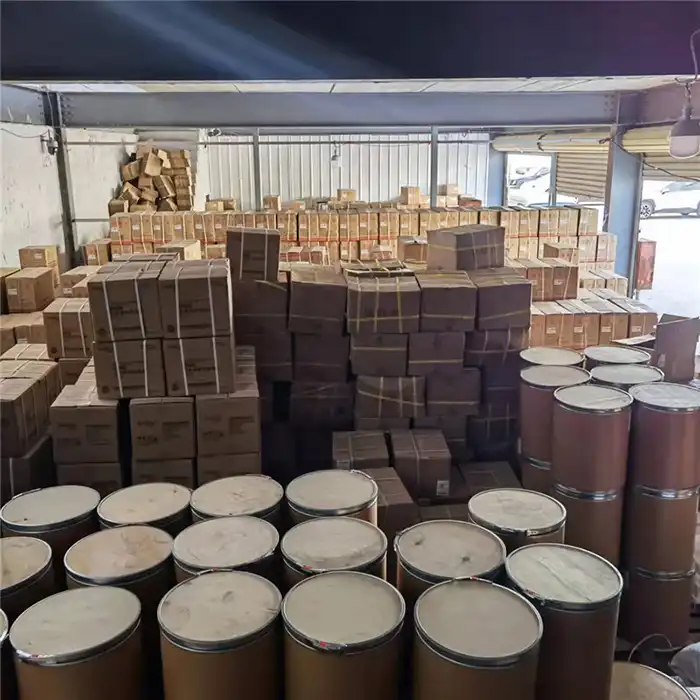
Global Supply Chain and Large-Scale Delivery
For businesses requiring NADH bulk orders, supply chain stability is a primary concern. An integrated international supply network ensures that premium raw materials are delivered with consistent availability and short lead times. This reliability is paramount for maintaining continuous production cycles in the pharmaceutical and nutraceutical industries.
Conclusion
The selection of NADH powder as a raw material is a strategic decision that impacts the final product’s efficacy and brand reputation. By prioritizing manufacturers that offer world-class scientific leadership, comprehensive quality certifications, and a stable global supply chain, businesses can successfully navigate the complexities of the coenzyme market. As synthetic biology continues to make these precious compounds more accessible and affordable, the potential for innovation in metabolic health remains vast.
Frequently Asked Questions (FAQ)
What is the recommended storage for NADH powder?
Due to its sensitivity to environmental factors, NADH raw material should be stored in a cool, dry place, away from direct light, often in vacuum-sealed or moisture-proof packaging to maintain stability.
Can I request a COA for NADH wholesale orders?
Yes. A reputable NADH manufacturer will provide a Certificate of Analysis (COA) and full third-party testing reports for every batch to ensure traceability and quality.
Is your NADH powder suitable for pharmaceutical use?
Our NADH powder is intended for industrial and R&D use, specifically for nutraceuticals, dietary supplements, and pharmaceutical formulations.
What certifications should a bulk NADH manufacturer have?
A global supplier should ideally hold GMP, ISO 9001, ISO 22000, SGS, and NSF certifications to meet international safety and quality standards.