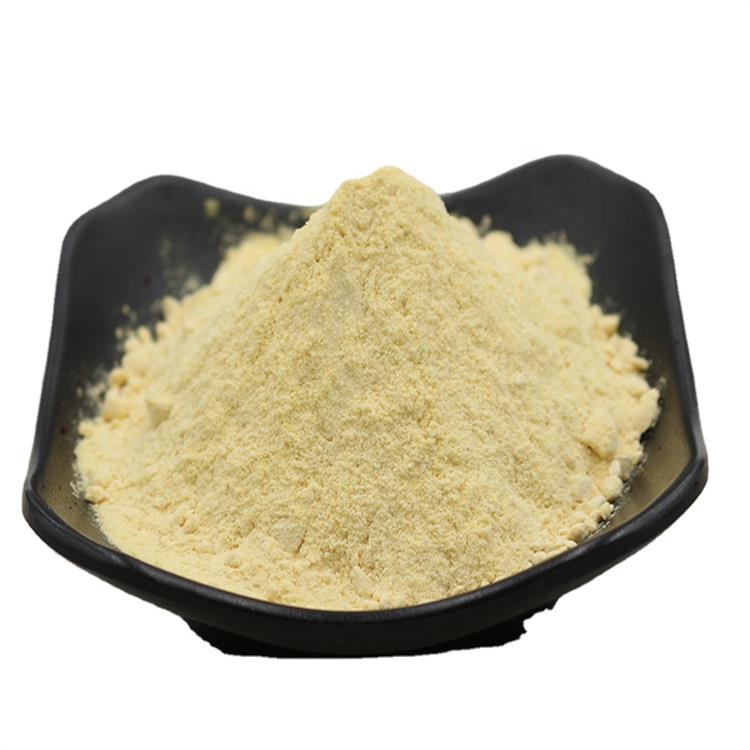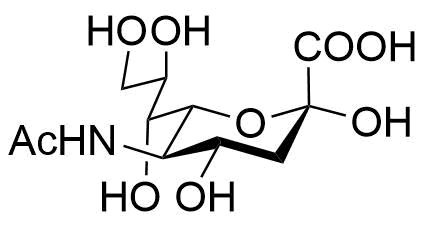

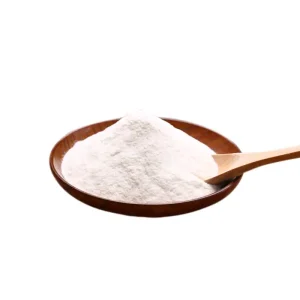
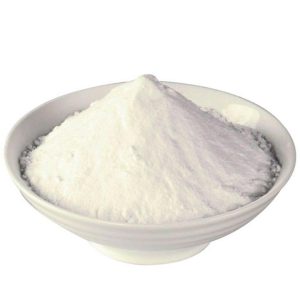
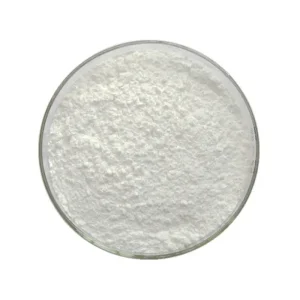
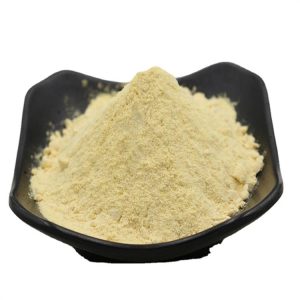
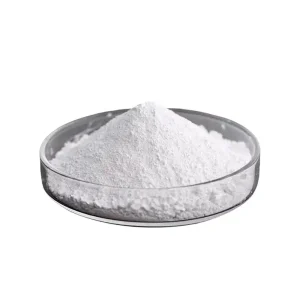
NAD (Nicotinamide Adenine Dinucleotide) is a vital coenzyme found in every cell of the body, playing a central role in energy production, DNA repair, and cellular metabolism. As levels naturally decline with age and certain health conditions, interest has grown in NAD-related compounds, including direct NAD powder, NADH, and precursors like NMN and NR. These are commonly supplied as NAD powder or NAD raw material for use in dietary supplements and nutraceuticals.
This article explores what NAD is, its potential benefits, who might consider supplementation, and important groups who should avoid it. Information draws from scientific studies and clinical observations to provide balanced insights for supplement manufacturers, formulators, and health-focused businesses sourcing high-quality bulk NAD or related raw materials.
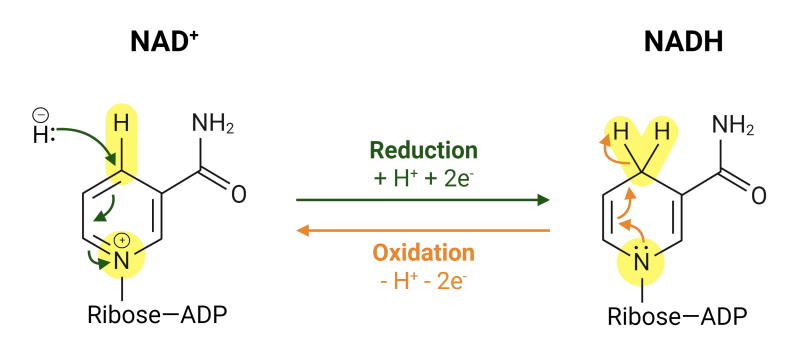
What Is NAD and How Does It Work?
NAD exists in two main forms: the oxidized NAD+ and the reduced NADH. NAD+ accepts electrons during metabolic processes, while NADH donates them, facilitating energy transfer in mitochondria. This cycle supports ATP production, the body’s primary energy currency.
NAD+ also activates sirtuins (proteins linked to longevity and stress resistance) and enzymes involved in DNA repair, such as PARPs. As people age, NAD+ levels drop, potentially contributing to reduced mitochondrial function, metabolic changes, and slower cellular repair. Supplementing with NAD precursors or direct forms aims to restore these levels, though direct NAD powder is less commonly used orally due to stability and bioavailability considerations compared to precursors.
Potential Benefits of NAD Supplementation
Research, including human trials with precursors like NR and NMN, suggests elevating NAD levels may offer several advantages:
- Energy and Mitochondrial Support — NAD+ is essential for converting nutrients into energy. Studies show improved mitochondrial function in models of aging and metabolic stress.
- Metabolic Health — Some evidence links NAD boosting to better insulin sensitivity, glucose regulation, and reduced inflammation in overweight individuals or those with metabolic concerns.
- Cellular Repair and Healthy Aging — NAD+ supports DNA repair and sirtuin activity, which may help maintain cellular resilience against age-related decline. Preclinical work shows benefits in muscle function, cardiovascular markers, and cognitive aspects in animal models.
- Other Areas — Emerging research explores potential roles in neuroprotection and recovery from certain stressors, though human evidence remains preliminary.
These effects are more pronounced in midlife and older adults or those with lower baseline NAD levels, such as individuals with obesity or metabolic risk factors. Young, healthy people typically maintain sufficient NAD through diet and lifestyle.
Who Should Approach NAD with Caution or Avoid It?
While NAD-boosting compounds are generally well-tolerated in studies, certain groups should exercise caution or avoid them due to limited safety data or potential interactions:
- Individuals with Cancer or Strong Family History — NAD+ supports cellular energy and repair, which could theoretically aid existing cancer cells in some contexts. Some preclinical observations suggest caution for those with active cancer, a personal history, or high genetic risk. Consult oncology specialists before use.
- Pregnant or Breastfeeding Women — There is insufficient research on effects during pregnancy or lactation, including impacts on fetal development. Avoidance is recommended.
- Children and Young Adults Under ~32 — Healthy younger individuals usually have adequate NAD levels, so supplementation may offer minimal benefit and is not well-studied in this group.
- People on Certain Medications — NAD may interact with insulin or blood sugar-lowering drugs, blood thinners, chemotherapy, or other treatments. Always check with a healthcare provider.
- Those with Inflammatory Conditions — Some evidence suggests elevated NAD could influence inflammation pathways, warranting caution in active autoimmune or inflammatory disorders.
Common side effects from NAD precursors are mild, including nausea, fatigue, headaches, or flushing (more with niacin-related forms). These are typically dose-dependent and resolve quickly.
Sourcing High-Quality NAD Raw Materials for Manufacturers
For supplement brands developing NAD-focused products, reliable NAD powder, NADH, or precursor raw materials are essential. As a specialized NAD manufacturer and supplier of bulk coenzymes, Gothink Biotech provides pharmaceutical-grade options with full traceability, third-party testing, and certifications including ISO, GMP, and others. These NAD raw materials support stable formulations for capsules, powders, or custom blends in nutraceuticals.
Partnering with an experienced bulk wholesale provider ensures consistent purity, supply chain reliability, and compliance for global markets.
Summary
NAD is a fundamental coenzyme critical for energy metabolism, DNA repair, and cellular health. Declining levels with age have spurred interest in supplementation, particularly for supporting mitochondrial function, metabolic wellness, and aspects of healthy aging in appropriate populations. However, not everyone benefits equally—young healthy adults often see little advantage, while specific groups like those with cancer history, pregnancy, or certain medications should avoid or carefully evaluate use.
Evidence remains promising but evolving, with stronger data from precursors than direct NAD forms. Manufacturers sourcing NAD powder or related raw materials should prioritize quality, testing, and regulatory alignment to deliver safe, effective products. Always encourage end-users to consult healthcare professionals for personalized advice.
FAQ
What is the difference between NAD, NADH, and precursors like NMN or NR? NAD+ is the active oxidized form involved in cellular processes; NADH is the reduced form carrying electrons. Precursors (NMN, NR) convert to NAD+ in the body and are more commonly studied for oral supplementation due to better stability and uptake than direct NAD powder.
Is NAD powder suitable for all supplement formats? NAD raw material in powder form works well for bulk blending, capsules, or custom formulations, but stability and bioavailability should be considered during product development.
How do I choose a reliable NAD Manufacturer for wholesale? Look for suppliers with GMP certification, third-party testing, and experience in coenzyme production. A trusted bulk NAD provider offers consistent quality, short lead times, and full documentation for compliance.
Are there natural ways to support NAD levels without supplements? Yes—regular exercise, a balanced diet rich in B vitamins, and practices like intermittent fasting or caloric restriction can help maintain NAD naturally.
What dosage is typically studied for NAD-related supplements? Human trials often use 300–1000 mg of precursors like NR or NMN daily, with safety shown in short- to medium-term use. Direct NAD dosing varies by form and requires professional guidance.