
Abstract
The question of whether NAD+ or NADH is the superior ingredient is one that formulators, brand developers, and procurement teams increasingly encounter as coenzyme-based products gain traction across nutraceutical, sports nutrition, and longevity markets. The honest answer is that neither form is universally “better” — each occupies a distinct biochemical role and serves different formulation objectives. This guide breaks down the scientific differences, commercial implications, and sourcing considerations for businesses evaluating NAD+ and NADH as raw materials, with particular focus on what procurement teams need to know before placing NADH bulk or NADH wholesale orders.
Understanding the Relationship Between NAD+ and NADH
NAD+ (nicotinamide adenine dinucleotide, oxidized form) and NADH (nicotinamide adenine dinucleotide, reduced form) are not competing molecules — they are two states of the same coenzyme. The interconversion between them is continuous and essential to life: NAD+ accepts electrons during metabolic oxidation reactions and becomes NADH; NADH then donates those electrons to the mitochondrial electron transport chain, regenerates NAD+, and drives ATP production.
This redox cycling means that both forms are always present in living cells, and both serve indispensable functions. From a product development standpoint, the question is not which form is biologically superior, but rather which form best serves your product’s intended mechanism, delivery format, and target consumer profile.
What NAD+ Does and Where It Excels as an Ingredient
NAD+ in its oxidized form functions primarily as an electron acceptor and as a substrate for enzymes involved in cellular signaling and DNA repair, most notably sirtuins and PARPs (poly ADP-ribose polymerases). These enzyme classes have attracted considerable research attention in the context of aging, metabolic health, and genomic stability.
Because NAD+ levels decline significantly with age, supplementation strategies aimed at restoring NAD+ pools have become a core focus of the longevity supplement category. Precursors such as NMN and NR (nicotinamide riboside) work by converting to NAD+ through biosynthetic pathways. Direct NAD+ supplementation faces bioavailability challenges since the molecule is large and does not cross cell membranes easily without enzymatic assistance.
For formulators, NAD+ raw material is best positioned in products emphasizing long-term cellular health, sirtuin activation, and anti-aging narratives backed by a growing clinical literature.
What NADH Does and Where It Excels as an Ingredient
NADH, the reduced form, carries the electrons that power mitochondrial ATP synthesis. It is the direct fuel for the electron transport chain, and its concentration in cells reflects the immediate availability of metabolic energy. Beyond energy metabolism, NADH plays a documented role in the biosynthesis of dopamine and other catecholamines — a pathway that has generated research interest in cognitive performance and neurological health applications.
Unlike NAD+ and its precursors, NADH has a longer history of clinical study as a direct oral supplement. Research has examined its use in contexts including chronic fatigue, Parkinson’s disease support, cognitive performance, and jet lag recovery. This clinical track record gives formulators a more established evidence base to draw from when building product claims.
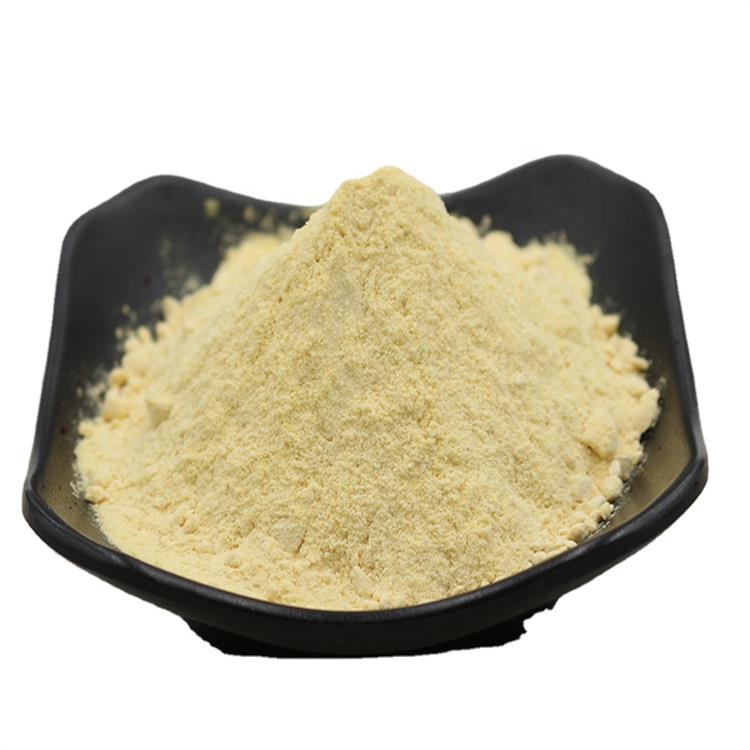
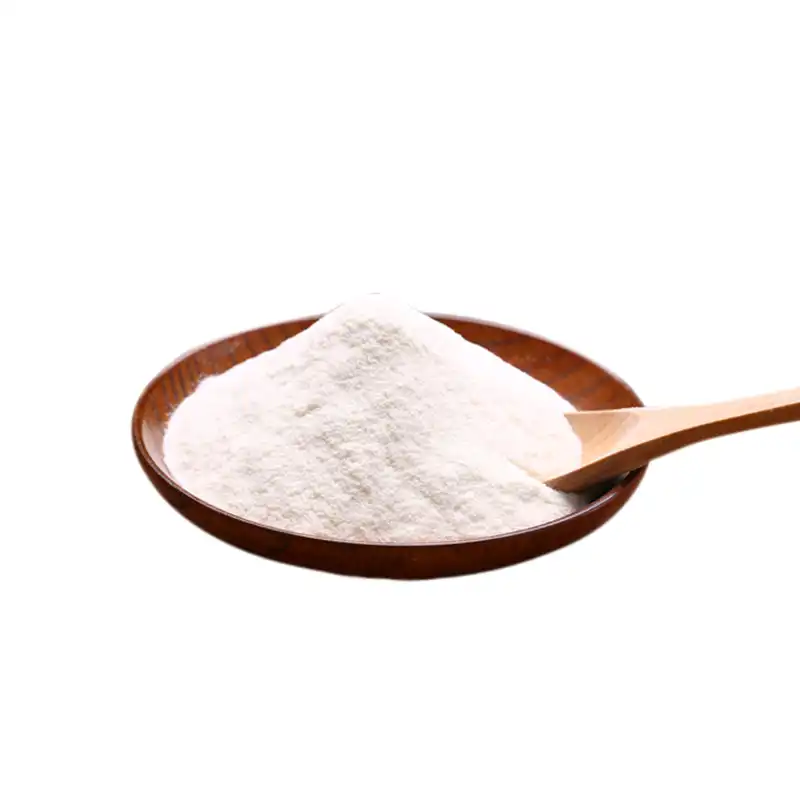
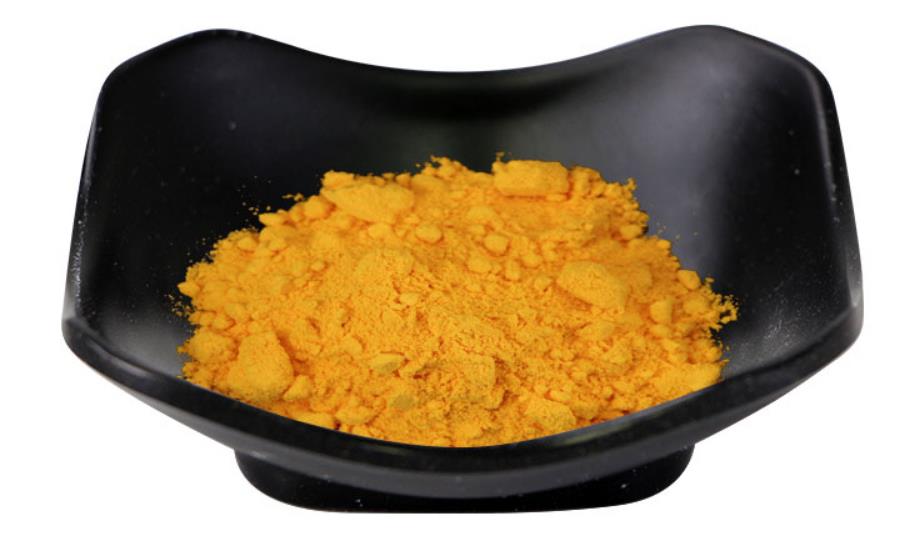
From a formulation perspective, NADH powder is particularly relevant for products targeting immediate energy support, mental clarity, and fatigue reduction — categories where the mechanism of direct electron donation and ATP generation aligns well with consumer-facing claims.
Stability Comparison: A Critical Factor for Raw Material Buyers
One of the most practically important differences between NAD+ and NADH from a procurement and manufacturing standpoint is stability. NAD+ is considerably more stable than NADH under ambient conditions. NADH, as the electron-rich reduced form, is susceptible to oxidation — meaning it can revert toward the NAD+ form if exposed to oxygen, elevated temperatures, or moisture during manufacturing, storage, or transit.
This has direct implications for buyers sourcing NADH raw material or NADH bulk quantities. The quality of NADH powder is heavily dependent on the manufacturing conditions in which it was produced and the packaging protocols used to maintain its reduced state. Buyers should specifically ask NADH manufacturers about:
- Inert-atmosphere or nitrogen-blanketed processing environments
- Low-temperature drying methods (such as spray drying under controlled conditions)
- Moisture barrier packaging with oxygen absorbers or vacuum sealing
- Cold-chain shipping recommendations for long-distance NADH wholesale shipments
Failure to maintain these conditions can result in partial oxidation of the NADH raw material, reducing its bioactive content and undermining the efficacy of the finished product.
Bioavailability Considerations for Formulators
The bioavailability profiles of NAD+ and NADH differ in ways that matter for product design. As noted, oral NAD+ faces absorption challenges due to molecular size. Precursor strategies using NMN or NR are often more efficient at raising intracellular NAD+ levels via established biosynthetic routes.
NADH, by contrast, has demonstrated oral bioavailability in stabilized forms. Research on stabilized NADH preparations — particularly microencapsulated or enteric-coated formulations — suggests that the molecule can be absorbed intact through the gastrointestinal tract and exert measurable effects on cellular energy parameters. This makes the physical form and excipient strategy of NADH powder formulations an important technical consideration.
Buyers working with NADH raw material should engage with their NADH manufacturer about particle size specifications, solubility profiles, and compatibility with common excipients used in capsule, tablet, or sublingual formulations. A qualified NADH manufacturer with strong R&D capabilities can provide application-specific technical guidance beyond simply supplying bulk powder.
Head-to-Head: Choosing Between NAD+ and NADH for Your Product Line
Rather than declaring one form superior, a more useful framework for B2B buyers is to match the ingredient to the product application:
Choose NADH when your formulation targets immediate energy metabolism, fatigue reduction, cognitive performance, or dopamine pathway support. NADH’s direct role in ATP synthesis and neurotransmitter biosynthesis makes it the more mechanistically direct ingredient for these applications. A well-sourced NADH powder with verified purity and stability is the foundation for this category.
Choose NAD+ precursors (NMN, NR) when your product is positioned around long-term cellular aging, sirtuin pathway activation, or DNA repair support. These precursors leverage established biosynthetic pathways and have accumulated a strong volume of clinical and preclinical literature in the longevity space.
Consider combination formulations if your product architecture allows for it. Some advanced formulations include both NADH and NAD+ precursors to address both the immediate energy-production role and the longer-term coenzyme pool replenishment goal. In these cases, NADH bulk sourcing alongside NMN or NAD+ raw material from a vertically integrated supplier can simplify procurement and ensure consistency across your ingredient portfolio.
Quality Benchmarks for NADH Wholesale Sourcing
For procurement teams evaluating NADH wholesale suppliers, the following benchmarks represent the industry standard for a credible NADH manufacturer:
Purity should be confirmed at ≥98% via HPLC analysis, with specific identification of the NADH reduced form rather than a combined assay that would obscure partial oxidation. Certificates of analysis should include both identification and assay results from an accredited third-party laboratory.
Stability data should be available in the form of accelerated stability studies demonstrating the degradation profile across relevant temperature and humidity conditions. This data is essential for setting shelf-life specifications on finished products.
Manufacturing certifications including ISO 9001, ISO 22000, and GMP should be in place at minimum. For buyers targeting regulated markets, additional certifications such as NSF, Halal, or Kosher may be required depending on the end market and product category.
Regulatory documentation including heavy metals testing, residual solvent analysis, microbiological specifications, and country-of-origin certificates should be available upon request for every batch of NADH raw material.
Supply reliability is particularly important for NADH bulk procurement. Evaluate whether the supplier maintains sufficient inventory buffers, has established international logistics experience, and can provide consistent batch-to-batch specifications over time.
The Case for Sourcing Both NAD+ and NADH from a Single Manufacturer
For brands building a coenzyme-based product portfolio, there is a practical advantage to consolidating raw material sourcing with a single NADH manufacturer that also supplies NAD+ and its precursors. This approach simplifies vendor qualification, reduces regulatory documentation overhead, and creates a single point of accountability for quality and compliance across your coenzyme ingredient line.
A manufacturer with integrated production capabilities across the NAD+/NADH/NMN product family can also offer more meaningful technical support — helping formulators understand ingredient interactions, optimize dosing, and align product specifications with intended mechanisms.
When evaluating NADH wholesale partners, consider not only price and lead time but also the depth of scientific expertise the supplier can bring to your product development process. In a category where ingredient quality is directly tied to product efficacy, the supplier relationship functions as part of your quality system, not merely a transaction.
Summary
NAD+ and NADH are not interchangeable, nor is one categorically better than the other. They occupy distinct biochemical roles: NAD+ supports long-term cellular signaling, sirtuin activity, and DNA repair, while NADH drives immediate ATP production and neurotransmitter biosynthesis. For B2B buyers, the decision between them — or the choice to use both — should be driven by the product’s intended mechanism, target application, and consumer positioning.
From a sourcing perspective, NADH raw material requires more rigorous quality controls than NAD+ due to its inherent oxidative instability. Buyers sourcing NADH powder, NADH bulk, or NADH wholesale quantities should prioritize suppliers who can demonstrate manufacturing conditions designed to preserve the reduced state of the molecule, backed by third-party verified certificates of analysis and documented stability data. Partnering with a qualified NADH manufacturer that offers a full coenzyme portfolio positions your brand to build across this category with confidence.
Frequently Asked Questions (FAQ)
Q1: Is NADH stronger or more effective than NAD+? Neither is universally stronger. NADH is the electron-carrying form that directly fuels ATP synthesis, while NAD+ supports cellular signaling and DNA repair enzymes. Efficacy depends entirely on the application — NADH is more appropriate for energy and cognitive formulations, while NAD+ precursors are better suited for aging and sirtuin-focused products.
Q2: Can NAD+ and NADH be used together in the same formulation? Yes, combination formulations exist and can address both immediate energy metabolism and longer-term coenzyme pool support. Formulators should evaluate excipient compatibility and ensure that sourced NADH powder and NAD+ raw material meet consistent purity specifications to avoid batch variation.
Q3: Why is NADH more expensive than NAD+ raw material? NADH requires more controlled manufacturing conditions to maintain its reduced state, including inert-atmosphere processing and specialized packaging. These requirements increase production costs relative to NAD+, which is more stable under standard conditions.
Q4: What purity should I specify when sourcing NADH bulk material? Pharmaceutical and nutraceutical-grade NADH powder should be specified at ≥98% purity, confirmed by HPLC with specific identification of the reduced NADH form. Avoid relying solely on UV-based assay data, which may not distinguish between NAD+ and NADH in partially oxidized samples.
Q5: How should NADH raw material be stored and transported? NADH should be stored in cool, dry, oxygen-free conditions — typically at 2–8°C for long-term storage, in sealed containers with oxygen absorbers or under nitrogen blanket. For international NADH wholesale shipments, cold-chain logistics are strongly recommended to preserve integrity during transit.
Q6: What is the minimum documentation I should request from an NADH manufacturer? At minimum, request an HPLC-confirmed certificate of analysis, stability data, heavy metals and residual solvent testing, microbiological specifications, and copies of manufacturing certifications. For regulated markets, also confirm availability of country-of-origin documentation and any required regional compliance filings.
Q7: How do I evaluate whether a new NADH wholesale supplier is reliable? Beyond price, assess the supplier’s manufacturing certifications, third-party testing infrastructure, batch-to-batch consistency data, and technical support capabilities. Request reference information from existing clients and, where possible, conduct an audit or request a facility overview before committing to large NADH bulk orders.
About GOTHINK Biotech
GOTHINK Biotech is a professional manufacturer and global supplier of functional raw materials based in China, serving B2B partners across the nutraceutical, dietary supplement, and pharmaceutical industries worldwide.
Our core product portfolio includes Coenzymes (NADH, NAD+, NMN, NMNH, NADP, Coenzyme Q10, Folic Acid), Human Milk Oligosaccharides (2′-FL, 3-FL, LNT, LNnT), Glucosamine series (Glucosamine, Glucosamine Hydrochloride, N-Acetyl-Glucosamine, Glucosamine Sulfate), and Saccharide Derivatives (Sialic Acid, N-Acetylneuraminic Acid, Reb D, Reb M, Rh2/Rg3).
GOTHINK holds comprehensive quality certifications including ISO 9001, ISO 22000, GMP, SGS, NSF, CQC, Halal, and Kosher, supported by full third-party testing and batch traceability documentation. Our scientific leadership team, trained at leading institutions in the US and UK, drives an R&D pipeline producing over 2,000 customized formulations annually.
We offer OEM/ODM services, reliable NADH bulk and wholesale supply with short lead times, and dedicated technical support for partners at every stage of formulation development. Qualified B2B buyers and brand partners are welcome to contact us directly for specification sheets, stability data, or sample requests.