
Abstract
N-Acetylneuraminic acid, also known as Neu5Ac, NANA, or sialic acid, serves as a critical functional ingredient in modern product development. This naturally occurring 9-carbon sugar acid plays essential roles in brain development, immune function, and cellular communication. For merchants and formulators in the nutraceutical, infant nutrition, pharmaceutical, and cosmetic industries, understanding the diverse N Acetylneuraminic acid uses is key to creating science-backed, differentiated products.
High-purity N Acetylneuraminic acid powder and N Acetylneuraminic acid raw material are increasingly incorporated into infant formulas to mimic components of human milk, cognitive health supplements, immune-support products, and advanced skincare formulations. As demand grows for premium functional ingredients, selecting a reliable NANA Manufacturer ensures consistent quality, regulatory compliance, and supply chain stability. This guide provides practical insights into the applications, production considerations, and sourcing best practices for NANA powder and NANA raw material to support informed business decisions.
What Is N-Acetylneuraminic Acid (Neu5Ac)?
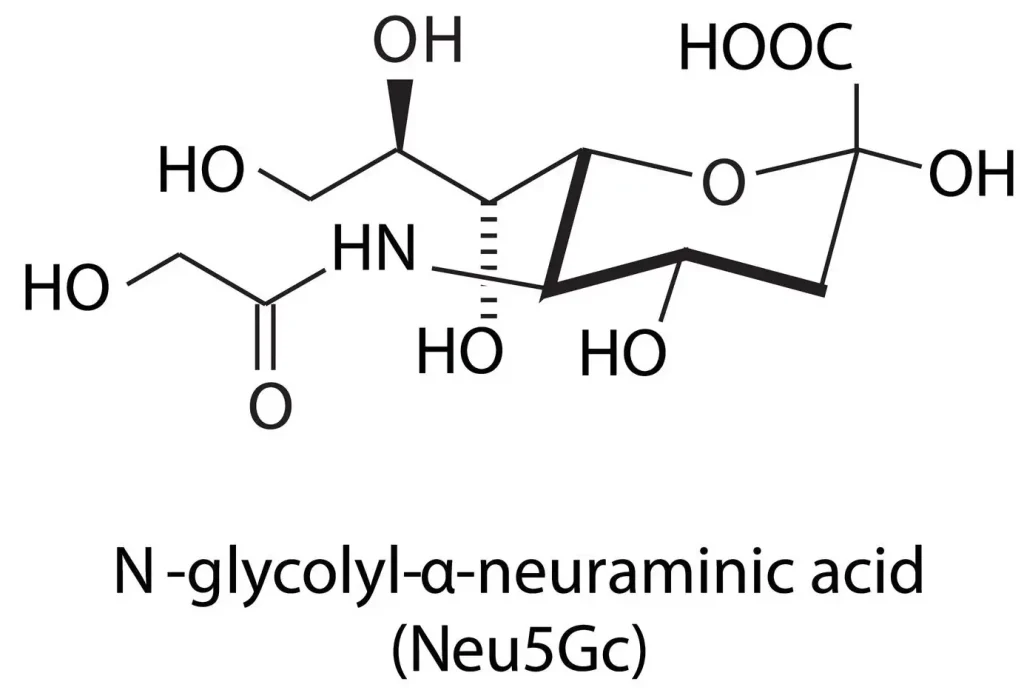
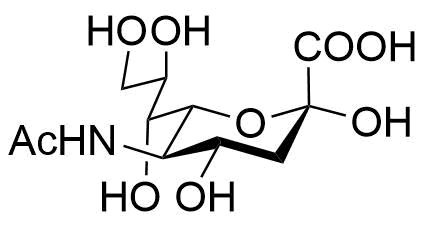
N-Acetylneuraminic acid (Neu5Ac) is the predominant form of sialic acid found in human tissues. It forms a key component of gangliosides in the brain and sialylated glycoproteins on cell surfaces. These structures support cell-to-cell recognition, signaling, and protection against pathogens.
Neu5Ac appears naturally in human breast milk, particularly as part of human milk oligosaccharides (HMOs), where it contributes to early-life development. Industrially, manufacturers produce NANA powder through microbial fermentation using advanced synthetic biology techniques. This method yields high-purity, food-grade material that is water-soluble, stable, and suitable for various formulations. Typical specifications for commercial N Acetylneuraminic acid raw material include purity levels above 98%, with low heavy metal and microbial content to meet global standards.
Biological Roles Supporting Product Applications
Neu5Ac contributes to neural development by serving as a building block for brain gangliosides and polysialic acid chains on neural cell adhesion molecules (NCAM). These molecules facilitate neuronal growth, synaptic plasticity, and memory formation. Supplementation studies in animal models have shown correlations with improved learning and cognitive performance, particularly during early development.
Beyond the brain, Neu5Ac supports immune modulation and acts as an antioxidant. Its presence on cell surfaces influences pathogen binding and inflammatory responses, making it relevant for immune and gut health formulations. These properties underpin the expanding N Acetylneuraminic acid uses across multiple product categories.
Primary Uses in Infant Nutrition and Formula Development
One of the most established N Acetylneuraminic acid uses is in infant formula. Breast milk contains significant levels of sialylated oligosaccharides, and Neu5Ac supplementation helps bridge the gap for formula-fed infants. Regulatory bodies have evaluated N Acetylneuraminic acid raw material for this purpose, with approved usage levels supporting cognitive and immune development.
Formulators often add NANA powder at precise concentrations to enhance the sialic acid profile of products. This addition aligns with growing consumer demand for formulas that more closely resemble human milk composition. Manufacturers report improved product positioning in premium segments when combining Neu5Ac with other functional ingredients like HMOs.
Applications in Dietary Supplements and Functional Foods
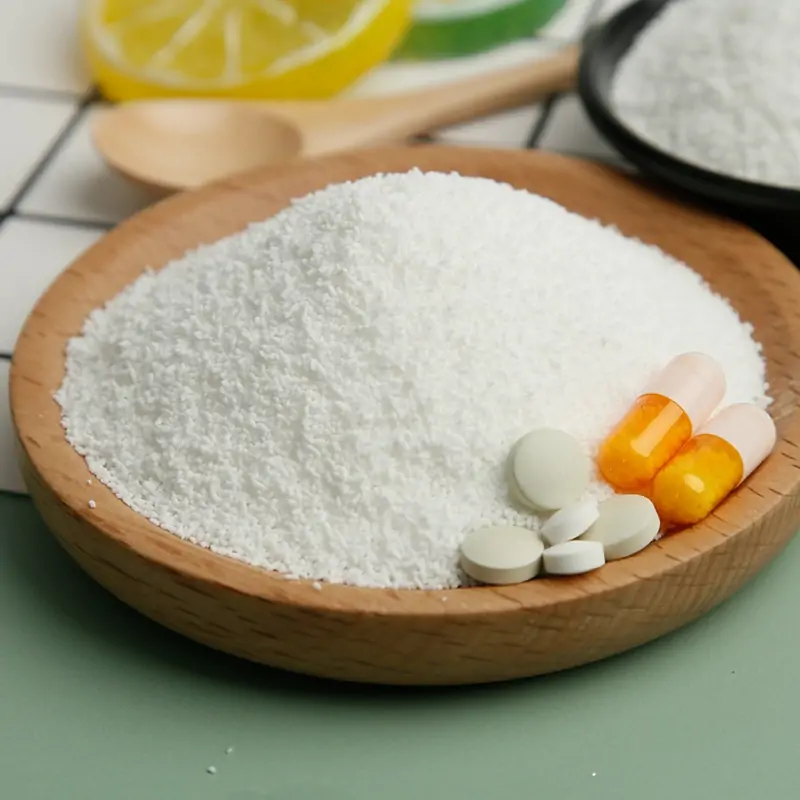
Merchants in the nutraceutical space increasingly explore N Acetylneuraminic acid uses for cognitive health and healthy aging supplements. NANA powder integrates well into capsules, powders, and ready-to-drink formats targeting memory support, focus, and overall brain wellness. Its potential to support synaptic function makes it suitable for adult cognitive formulas and products aimed at active aging populations.
In functional foods and beverages, N Acetylneuraminic acid raw material adds value to products positioned for immunity or recovery. Its solubility and neutral taste profile facilitate easy incorporation without compromising sensory qualities. Businesses can differentiate offerings by highlighting the role of Neu5Ac in supporting natural physiological processes.
Pharmaceutical and Therapeutic Potential
In pharmaceutical development, Neu5Ac serves as a precursor for neuraminidase inhibitors used in antiviral therapies. Ongoing research examines its role in neurological health and metabolic conditions. For manufacturers of specialized formulations, high-purity NANA raw material provides a reliable starting point for research-grade or therapeutic applications.
While many uses remain in exploratory or supportive stages, the established safety profile and biological relevance position N Acetylneuraminic acid as a versatile ingredient for innovation in drug delivery and bioactive compounds.

Emerging Uses in Cosmetics and Skincare
The cosmetic industry has adopted N Acetylneuraminic acid powder for its skin-brightening, antioxidant, and moisturizing properties. Neu5Ac appears in serums, creams, and masks targeting anti-aging, hydration, and evenness of skin tone. Its ability to support cellular communication and reduce oxidative stress appeals to clean beauty and evidence-based skincare brands.
Formulators appreciate the stability of NANA powder in various emulsion systems. When sourcing for cosmetic applications, merchants should verify compatibility and regulatory acceptance in target markets, as Neu5Ac has gained recognition as a safe cosmetic ingredient in several regions.
Sourcing and Production of N Acetylneuraminic Acid Powder and Raw Material
Modern production of NANA raw material primarily relies on microbial fermentation rather than extraction from animal sources. This biomanufacturing approach offers scalability, sustainability, and high consistency. Leading NANA Manufacturer operations use engineered strains under controlled conditions to achieve pharmaceutical-grade purity.
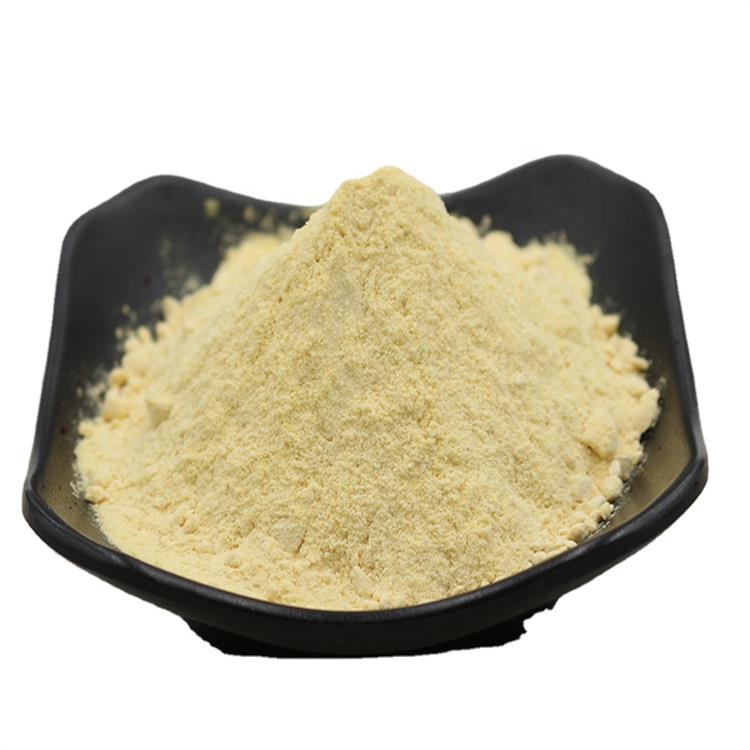
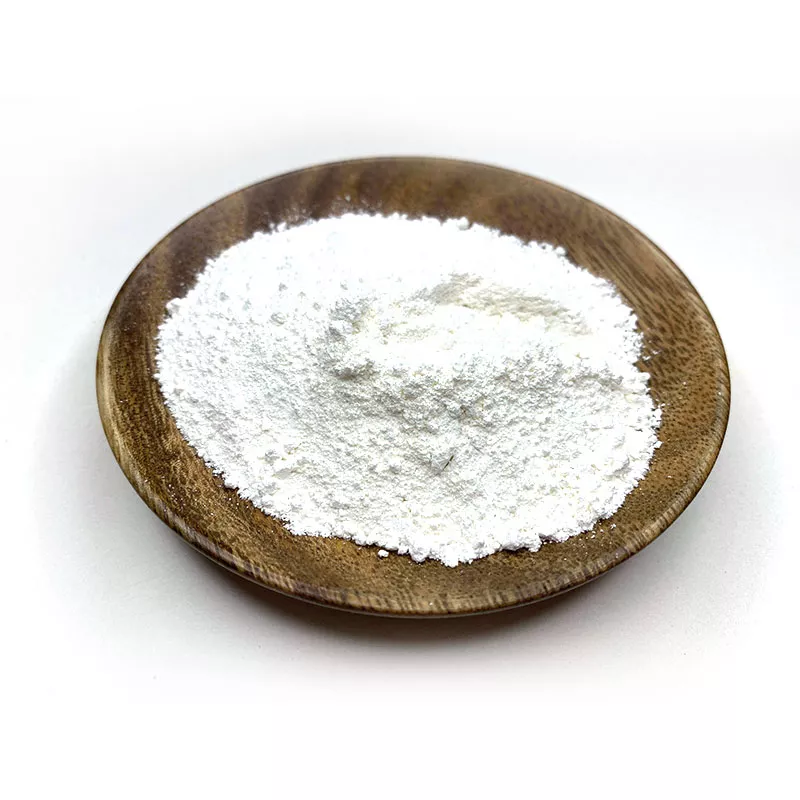
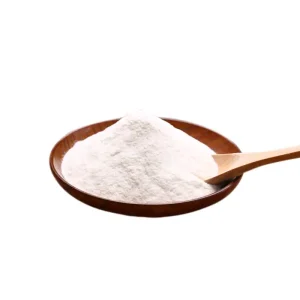
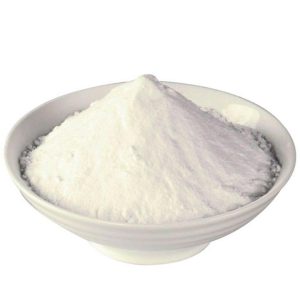
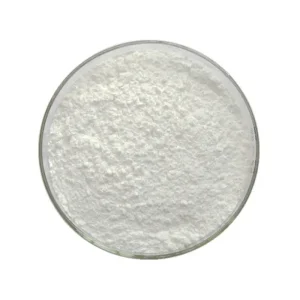
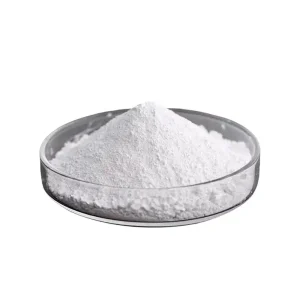
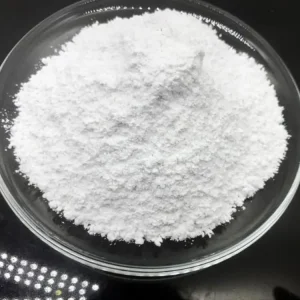
N Acetylneuraminic acid powder is typically supplied as a white crystalline material with excellent flowability and solubility. Key quality parameters include purity (often ≥98%), low moisture content, and comprehensive testing for contaminants. For bulk purchasers, understanding the production method helps assess supply reliability and environmental impact.
Choosing a Trusted NANA Manufacturer: Quality and Compliance Considerations
When sourcing N Acetylneuraminic acid raw material, merchants should prioritize suppliers with robust quality systems. Certifications such as ISO 9001, ISO 22000, GMP, Halal, and Kosher provide assurance of consistent manufacturing practices and traceability. Third-party testing for purity, heavy metals, and microbial safety is essential for regulatory compliance across regions.
Experienced NANA Manufacturer partners also offer customization, including different grades for food, supplement, or cosmetic use, along with technical support for formulation challenges. Reliable global supply chains minimize lead time risks and support scalable production. Evaluating a supplier’s R&D capabilities and commitment to sustainable biomanufacturing can provide long-term strategic advantages in competitive markets.

Article Summary
N-Acetylneuraminic acid (Neu5Ac or NANA) delivers versatile functionality across infant nutrition, dietary supplements, pharmaceuticals, and cosmetics. Its roles in brain development, immune support, and skin health make N Acetylneuraminic acid powder and N Acetylneuraminic acid raw material valuable for product innovation.
For merchants, success depends on understanding the scientific basis of N Acetylneuraminic acid uses, ensuring formulation compatibility, and partnering with qualified NANA Manufacturer operations that meet stringent quality and regulatory standards. By focusing on high-purity, sustainably produced ingredients, businesses can develop differentiated, trustworthy products that address growing consumer demand for functional solutions. Selecting the right supplier of NANA powder and NANA raw material remains a critical factor in achieving consistent quality and market success.
FAQ
What is the difference between N-Acetylneuraminic acid, Neu5Ac, and NANA? They refer to the same compound. Neu5Ac is the scientific abbreviation, NANA is a common shorthand, and N-Acetylneuraminic acid is the full chemical name. All describe the primary form of sialic acid used in commercial applications.
What are the main N Acetylneuraminic acid uses in product development? Key applications include infant formula for cognitive support, dietary supplements for brain and immune health, cosmetics for skin brightening and anti-aging, and as a precursor in certain pharmaceutical developments.
How much NANA powder is typically used in formulations? Usage levels vary by product type. In infant formula, approved levels are often around 50 mg per liter of reconstituted product. Supplement dosages depend on target claims and regulatory guidelines. Formulators should consult technical data sheets and conduct stability testing.
What purity level should merchants look for in N Acetylneuraminic acid raw material? Commercial grades for food and supplement use generally exceed 98% purity. Higher pharmaceutical-grade material may be required for specialized applications. Always request certificates of analysis and third-party test reports.
Is N-Acetylneuraminic acid approved for use in food and supplements? Yes, it holds GRAS status in the United States for specific uses such as infant formula and has been approved as a novel food or new food ingredient in regions including the EU and China. Compliance requirements differ by market and intended use.
Can NANA raw material be combined with HMOs or other functional ingredients? Yes, it is frequently used alongside human milk oligosaccharides and other bioactive compounds in infant nutrition and supplement formulations. Compatibility testing is recommended during product development.
What should I consider when selecting a NANA Manufacturer? Focus on production method (preferably fermentation-based), certifications, supply chain reliability, customization capabilities, and commitment to quality testing. A reputable NANA Manufacturer provides full documentation and technical support for seamless integration into your processes.
How stable is N Acetylneuraminic acid powder during storage and processing? High-purity NANA powder exhibits good stability under proper conditions (cool, dry storage). It is water-soluble and generally compatible with standard manufacturing processes, though pH and temperature should be monitored in final formulations.