
Abstract
N-Acetylneuraminic Acid (NANA), also referred to as Neu5Ac or sialic acid, is a nine-carbon monosaccharide with a central role in cellular communication, neurological development, and immune function. As demand grows for functional ingredients in nutraceuticals, infant nutrition, and pharmaceutical formulations, procurement professionals and product developers are increasingly evaluating NANA powder as a strategic raw material. This guide is designed to help ingredient buyers, brand formulators, and supply chain managers understand what N-Acetylneuraminic Acid is, how it is produced at scale, what quality benchmarks matter, and how to identify a reliable N-Acetylneuraminic Acid manufacturer for bulk and wholesale purchasing.
What Is N-Acetylneuraminic Acid? Chemistry and Biological Significance
N-Acetylneuraminic Acid (CAS No. 131-48-6, molecular formula C11H19NO9) is the predominant form of sialic acid found in mammals. It is a negatively charged sugar expressed on the surface of virtually all mammalian cells, where it serves as a terminal residue on glycoproteins and glycolipids. NANA mediates a wide range of biological processes including cell-to-cell recognition, prevention of pathogen adhesion, and modulation of immune responses.
From a formulation perspective, NANA raw material is valued across several application categories:
- Infant formula and pediatric nutrition — NANA is naturally abundant in human breast milk and is associated with supporting brain development and cognitive function in neonates.
- Cognitive health supplements — Research points to sialic acid’s role in synaptic plasticity and ganglioside biosynthesis, making it a candidate for nootropic and brain health formulations.
- Immune support products — NANA has been studied for its potential to interfere with pathogen binding to host cells, drawing interest in antiviral and immune-modulating nutraceuticals.
- Pharmaceutical applications — High-purity NANA serves as a building block in the synthesis of neuraminidase inhibitors and other pharmaceutical molecules.
How N-Acetylneuraminic Acid Is Manufactured: From Extraction to Fermentation
Understanding how NANA raw material is produced is essential for buyers assessing scalability, purity, and sustainability of supply. Two primary manufacturing routes are used commercially.
Traditional Extraction
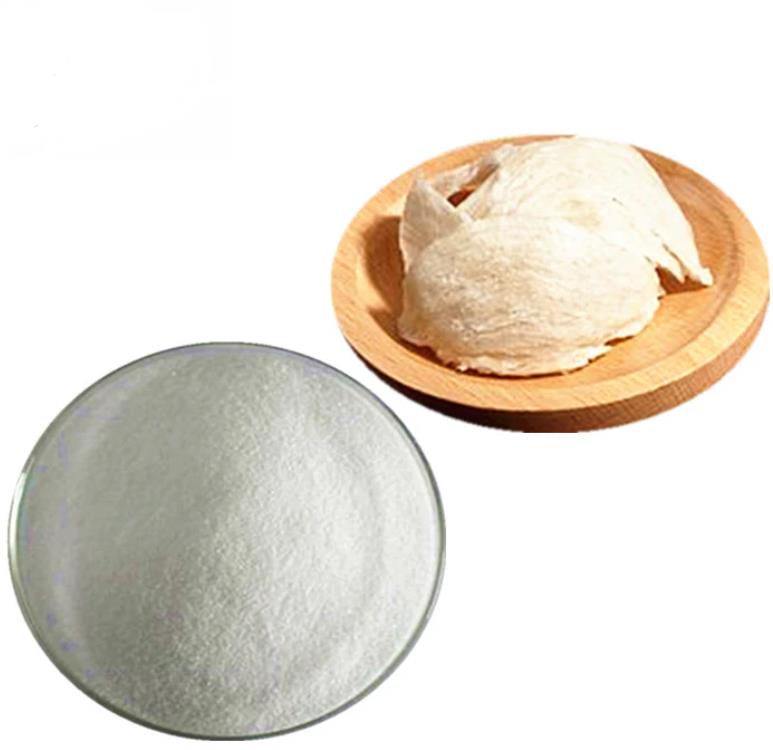
Earlier methods involved extraction from animal-derived sources such as bird’s nest or bovine colostrum. While biologically authentic, these processes present challenges in scalability, batch-to-batch consistency, cost control, and allergen and animal-derived ingredient compliance. These limitations have driven the industry toward biotechnology-based production.
Microbial Fermentation via Synthetic Biology
State-of-the-art N-Acetylneuraminic Acid manufacturers now use precision fermentation with engineered microbial strains — most commonly E. coli or Bacillus subtilis — to biosynthesize NANA from glucose or other carbon sources. This approach provides key advantages for commercial buyers:
- Non-animal origin — eliminates BSE/TSE risk and satisfies vegan, halal, and kosher certification requirements.
- High purity — modern downstream processing routinely delivers NANA powder at or above 98% purity by HPLC.
- Scalability — fermentation-based production supports both small development batches and multi-kilogram bulk orders.
- Consistency — controlled bioprocesses minimize the variability inherent in natural extraction.
Key Quality Parameters When Evaluating NANA Powder for Commercial Use
Not all NANA raw material meets the same standard. When evaluating suppliers for bulk or wholesale procurement, buyers should request and review the following specifications:
- Assay (Purity): Minimum 98% by HPLC for food-grade and nutraceutical use; 99%+ for pharmaceutical-grade applications.
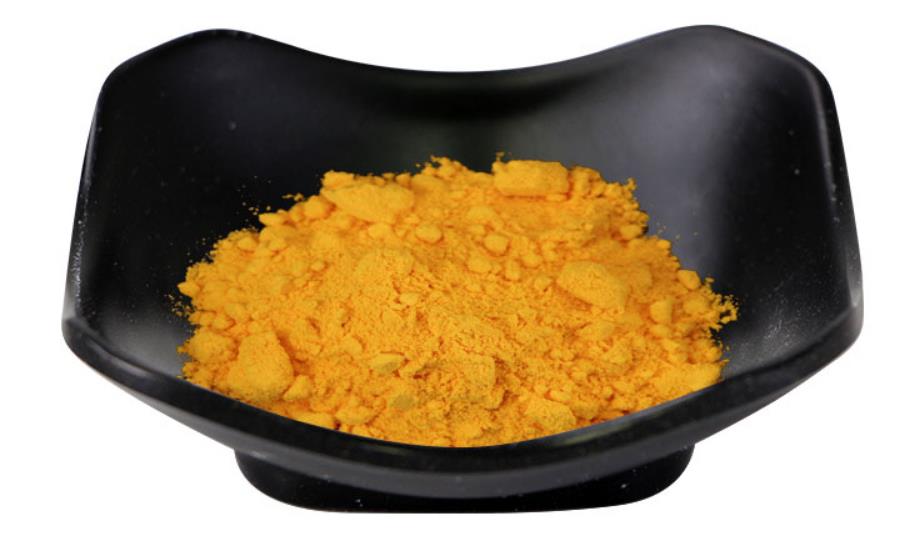
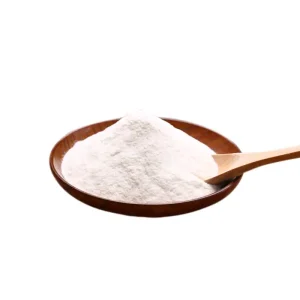
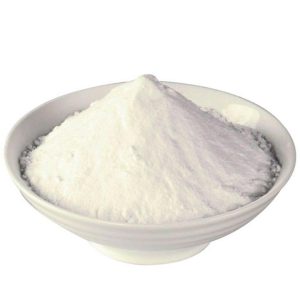
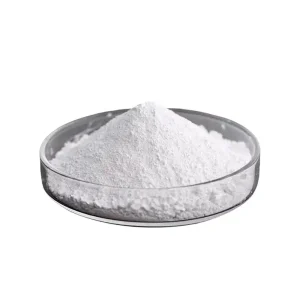
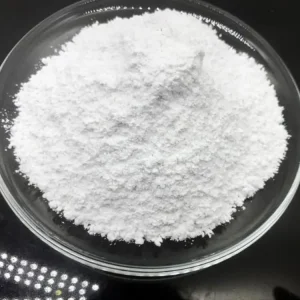
- Appearance: White to off-white crystalline powder, free from visible impurities.
- Moisture Content: Typically no more than 5% by Karl Fischer titration.
- Heavy Metals: Compliance with USP, EP, or GB standards for lead, arsenic, mercury, and cadmium.
- Microbiological Limits: Total plate count, yeast and mold counts, and confirmed absence of specified pathogens per applicable food safety regulations.
- Optical Rotation: Confirmation of the correct stereoisomer, which can affect bioavailability and formulation stability.
- Certificate of Analysis (CoA): Each lot should ship with a batch-specific CoA from an ISO-accredited in-house or third-party laboratory.
Buyers sourcing NANA wholesale should additionally verify that the manufacturer maintains a food safety management system aligned with ISO 22000 or FSSC 22000, and that GMP certification is current and verifiable.
Regulatory and Certification Landscape for N-Acetylneuraminic Acid
The regulatory status of NANA varies by region, and buyers need to conduct due diligence appropriate to their target markets.
United States
Fermentation-derived NANA is generally marketed under GRAS (Generally Recognized as Safe) principles for food and dietary supplement applications. Buyers should request self-affirmed GRAS documentation or FDA notification records from their supplier where applicable.
European Union
In the EU, sialic acid and NANA may fall under Novel Food regulation (EU 2015/2283) depending on application category and historical use documentation. Buyers targeting European markets should confirm the regulatory pathway and any required authorizations with their supplier.
China
NANA is listed in China’s National Food Safety Standard for nutritional fortification substances (GB 14880), enabling its use in specified food categories including infant formula. Manufacturers supplying domestic and export markets should hold relevant NMPA or National Standard compliance documentation.
Cross-Market Certifications to Require
- ISO 9001 — Quality Management System
- ISO 22000 — Food Safety Management
- GMP (Good Manufacturing Practice) — pharmaceutical or food-grade
- Halal and Kosher — required for certain regional market segments
- NSF or SGS third-party testing — independent quality verification
Bulk and Wholesale Procurement: Practical Considerations for B2B Buyers
Sourcing N-Acetylneuraminic Acid in bulk involves different considerations than procuring standard commodity ingredients. Below are the key factors experienced procurement teams evaluate when selecting a long-term NANA supplier.
Minimum Order Quantities and Packaging
Most established NANA manufacturers offer tiered pricing based on volume, with standard packaging available in 1 kg, 5 kg, and 25 kg options and bulk drum quantities for high-volume customers. Clarify whether the supplier can accommodate smaller R&D lots (100 g to 1 kg) during the development phase without compromising full CoA documentation.
Lead Times and Supply Chain Reliability
Given the complexity of fermentation-based production, lead times for NANA raw material can range from two to six weeks depending on inventory levels and production scheduling. Buyers with time-sensitive launch commitments should discuss safety stock agreements or consignment options with prospective suppliers.
Export Documentation and Import Compliance
When importing NANA powder from China or other international origins, confirm that the supplier provides a full complement of export documentation: CoA, SDS, health certificates where required, and accurate HS code classification. Incomplete documentation is a primary cause of customs clearance delays for specialty ingredient shipments.
OEM and Custom Specification Services
Some product developers require NANA in modified forms — spray-dried with specific particle size distributions, blended with excipients, or formulated into premixes. A capable N-Acetylneuraminic Acid manufacturer should offer OEM/ODM support within their existing GMP framework.
Selecting a Reliable N-Acetylneuraminic Acid Manufacturer: A Due Diligence Checklist
Given that NANA is a high-value specialty ingredient, supplier qualification deserves careful attention. The following checklist reflects industry best practices for vetting a NANA manufacturer:
- Verify current GMP certification from a recognized third-party auditor.
- Request batch-specific CoA for any sample material before placing a commercial order.
- Confirm production capacity — can the supplier scale from 1 kg sample to 100 kg+ bulk without switching facilities or compromising quality systems?
- Understand the fermentation platform and downstream purification technology to assess purity ceiling and contamination risks.
- Evaluate technical support — does the manufacturer have application scientists who can assist with stability studies or formulation compatibility questions?
- Review third-party audit reports or SGS/NSF test certificates from recent production batches.
- Confirm regulatory documentation support for your target markets (US, EU, China, etc.).
- Establish clear communication channels and response time expectations — especially important for global supply chains operating across time zones.
Summary
N-Acetylneuraminic Acid is a high-value, functionally significant ingredient with growing relevance across infant nutrition, cognitive health supplements, immune support formulations, and pharmaceutical research. For commercial buyers, a successful NANA sourcing strategy centers on identifying a manufacturer that combines fermentation-based production expertise, rigorous quality systems, flexible batch sizing, and strong regulatory documentation capabilities.
When evaluating NANA powder suppliers on a bulk or wholesale basis, prioritize those with independently verified GMP and ISO certifications, full traceability from raw carbon source to finished powder, and a documented track record of supplying regulated markets. Price per kilogram is one factor, but supply chain reliability, documentation integrity, and technical support determine the true total cost of ingredient sourcing.
Frequently Asked Questions (FAQ)
Q1: What is the difference between N-Acetylneuraminic Acid and sialic acid?
Sialic acid is a family of structurally related nine-carbon sugars. N-Acetylneuraminic Acid (Neu5Ac) is the most prevalent member of this family in humans and most mammals, accounting for the vast majority of sialic acid found in mammalian glycoproteins. In commercial and regulatory contexts the terms are often used interchangeably, but buyers should confirm exact chemical identity (CAS 131-48-6 for NANA) when reviewing supplier specifications.
Q2: What purity grade is typically required for nutraceutical applications?
A minimum purity of 98% by HPLC is the standard benchmark for dietary supplement and functional food applications. Higher purity grades (99%+) may be required for pharmaceutical or infant formula applications where regulatory scrutiny is more stringent.
Q3: Is fermentation-derived NANA considered natural?
This depends on the regulatory framework and labeling standards in the target market. Fermentation-derived NANA is produced from non-animal starting materials and is structurally identical to NANA found in nature. In many jurisdictions it may be labeled as a nature-identical or fermentation-derived ingredient. Buyers should consult their regulatory affairs team for guidance specific to their product category and market.
Q4: What are typical storage and shelf-life conditions for NANA powder?
NANA powder is hygroscopic and should be stored in a cool, dry environment away from direct light and moisture. Standard recommendations are storage at 2-25°C in sealed, moisture-proof containers. Shelf life is typically 24 months from the date of manufacture under recommended conditions. Buyers should request shelf-life data from the supplier’s stability studies.
Q5: Can I request a sample before committing to a bulk order?
Yes. Most established NANA raw material manufacturers provide analytical samples — typically 50-100 g — accompanied by a CoA and SDS for evaluation. Sample requests should include your intended application and target specifications so the supplier can confirm suitability before you invest in laboratory testing.
Q6: What is the typical lead time for bulk NANA orders?
Standard lead times are 2-4 weeks for quantities up to 25 kg, and 4-6 weeks for larger bulk orders. Buyers who require continuous supply should discuss blanket orders or safety stock arrangements to avoid stockouts during product launches or peak demand periods.
Q7: Does NANA raw material require special import documentation?
Import requirements vary by destination country. Most cases require a Certificate of Analysis, Safety Data Sheet, and correct HS code classification. Some markets additionally require a Certificate of Origin, health certificate, or phytosanitary documentation. A reputable manufacturer should be experienced in preparing the full documentation package for your target region.
About GOTHINK Biotech
GOTHINK Biotech is a professional manufacturer and global supplier of functional raw materials headquartered in China. Our product portfolio is built around high-demand bioactive ingredients produced through advanced synthetic biology and precision fermentation technologies, serving ingredient distributors, nutraceutical brand owners, contract manufacturers, and pharmaceutical companies worldwide.
Our core product lines include:
- Coenzymes: NMN, NMNH, NAD+, NADH, NADP, NR (Nicotinamide Riboside), Coenzyme Q10, Folic Acid
- Human Milk Oligosaccharides (HMOs): 2′-Fucosyllactose (2′-FL), 3-Fucosyllactose (3-FL), Lacto-N-tetraose (LNT), Lacto-N-neotetraose (LNnT)
- Glucosamine Series: Glucosamine (GlcN), Glucosamine Hydrochloride, Glucosamine Sulfate, N-Acetyl-Glucosamine
- Saccharide Derivatives: N-Acetylneuraminic Acid (Sialic Acid / NANA), Reb D, Reb M, Rh2/Rg3
Our manufacturing facilities hold ISO 9001, ISO 22000, and GMP certifications, with independent verification by SGS and NSF. All applicable product lines carry Halal and Kosher certifications. We provide full batch-specific CoA documentation, third-party testing reports, and comprehensive regulatory support for US, EU, and Asia-Pacific markets.
GOTHINK Biotech offers OEM/ODM manufacturing services, flexible order volumes from R&D samples to multi-kilogram bulk shipments, and dedicated technical support throughout the product development lifecycle. Our scientific team, trained at leading US and UK research institutions, brings pharmaceutical and biological sciences expertise to every stage of ingredient development and customer engagement.
For procurement inquiries, sample requests, or technical consultations regarding N-Acetylneuraminic Acid powder or any ingredient in our portfolio, please contact our commercial team.