
Abstract
In the competitive landscape of nutraceutical ingredients, formulators often weigh options like turmeric and glucosamine for joint health applications. This article explores the scientific evidence, mechanisms of action, and practical considerations for incorporating these compounds into products. Drawing from established research, we compare their efficacy, bioavailability, and suitability for various formulations, helping manufacturers make informed decisions based on data rather than trends. As a glucosamine manufacturer, we emphasize objective insights to support reliable sourcing and product development.
Understanding Turmeric and Its Active Compounds
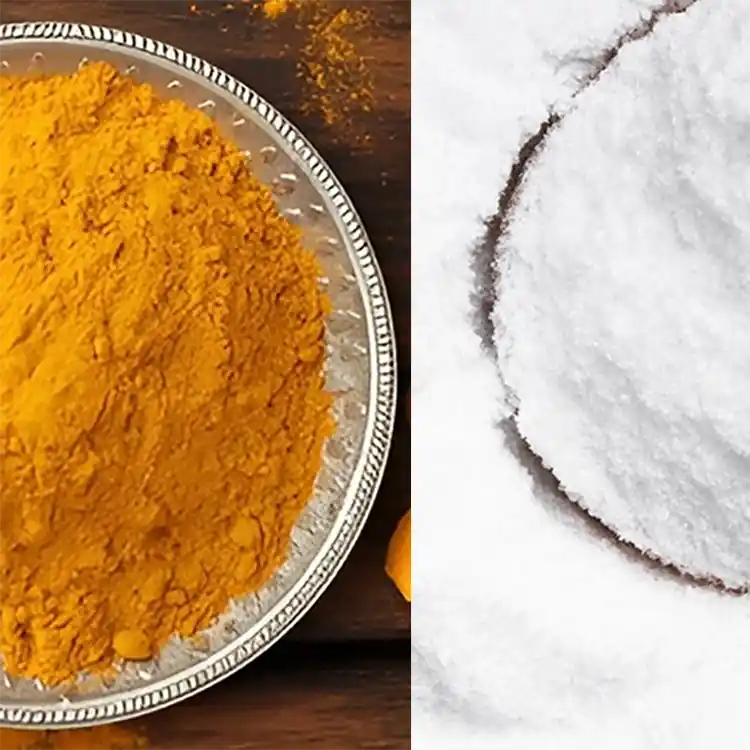
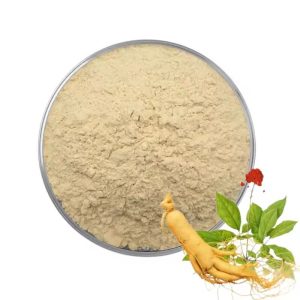
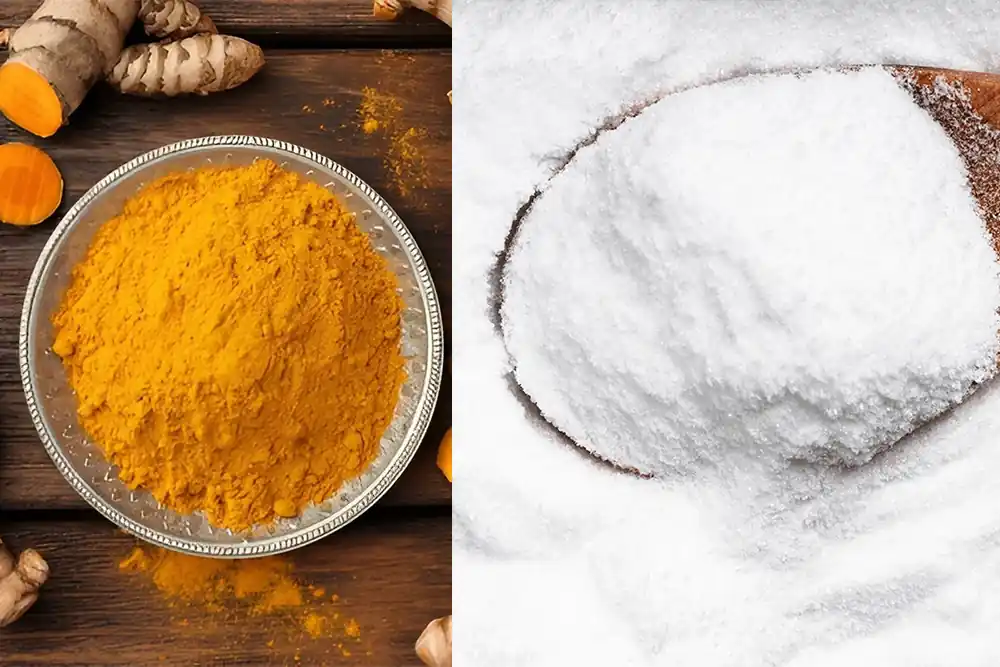
Turmeric, derived from the Curcuma longa plant, has been a staple in traditional medicine for centuries, particularly in Ayurvedic and Chinese practices. Its primary active ingredient, curcumin, is a polyphenol known for its anti-inflammatory properties. Studies, including those published in peer-reviewed journals like the Journal of Medicinal Food, indicate that curcumin can inhibit pro-inflammatory pathways, such as NF-kB, potentially reducing joint discomfort.
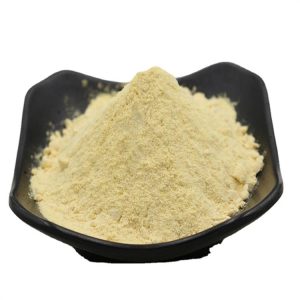
For supplement manufacturers, turmeric extract is often standardized to contain 95% curcuminoids to ensure consistency. However, challenges arise with bioavailability—curcumin is poorly absorbed in the gut, leading to formulations that include black pepper extract (piperine) or liposomal delivery systems. This makes turmeric a versatile option for capsules, tablets, or even functional foods, but it requires careful consideration of stability during processing to maintain potency.
The Role of Glucosamine in Joint Health Support
Glucosamine, a naturally occurring amino sugar found in cartilage, is synthesized from glucose and glutamine. It serves as a building block for glycosaminoglycans, which are essential for maintaining cartilage structure and synovial fluid viscosity. Research from sources like the Arthritis Foundation highlights glucosamine’s potential to support cartilage repair and reduce osteoarthritis symptoms over time.
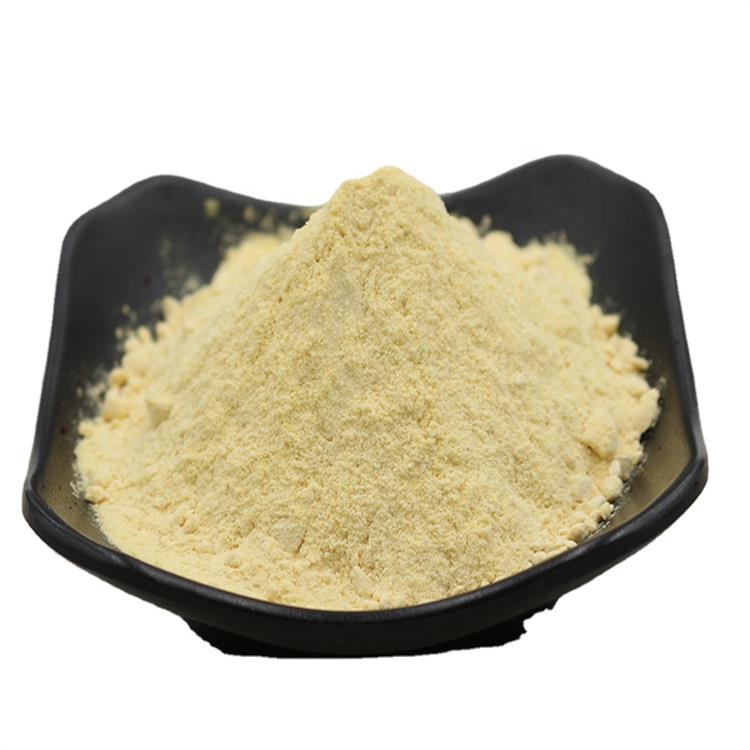
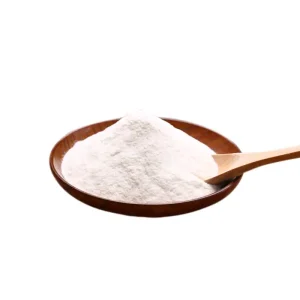
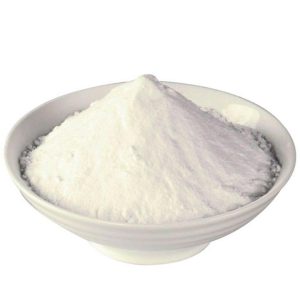
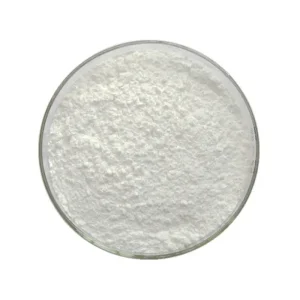
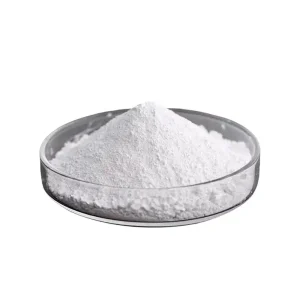
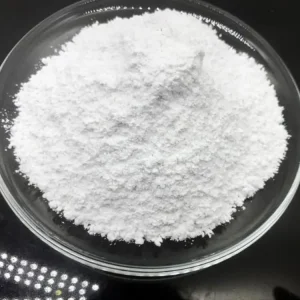
As a glucosamine manufacturer, we produce glucosamine powder in forms such as glucosamine hydrochloride and sulfate, which are popular for their high purity and solubility. These glucosamine raw materials are commonly used in dietary supplements due to their stability and ease of integration into blends. Bioavailability is generally favorable, especially in hydrochloride form, allowing for straightforward dosing in products aimed at long-term joint maintenance. Manufacturers should note that sourcing high-quality glucosamine raw material ensures compliance with pharmacopeial standards, minimizing impurities that could affect end-product efficacy.

Comparing Efficacy: What the Evidence Shows
When evaluating turmeric versus glucosamine, efficacy depends on the specific health outcome. Meta-analyses, such as one in the British Journal of Sports Medicine, suggest that glucosamine may provide moderate benefits for knee osteoarthritis, with effects building over 4-6 weeks. Turmeric, on the other hand, shows promise in acute inflammation reduction, as per a review in Phytotherapy Research, but results can vary based on dosage and formulation.
A key difference lies in their mechanisms: glucosamine acts structurally by supporting cartilage regeneration, while turmeric targets inflammation enzymatically. For formulators, this means glucosamine powder might be ideal for structural-focused supplements, whereas turmeric could complement anti-inflammatory lines. Combined use is also common, with studies indicating synergistic effects, but evidence remains mixed—some trials show no superior benefit over placebo for either alone. Manufacturers should prioritize randomized controlled trials when validating claims to align with regulatory guidelines like those from the FDA or EFSA.
Bioavailability and Formulation Challenges
Bioavailability is a critical factor for both ingredients. Turmeric’s curcumin has low water solubility, often requiring enhancers to achieve therapeutic levels. Innovations like nanoparticle encapsulation have improved this, but they increase production costs.
In contrast, glucosamine raw material exhibits better inherent absorption, with up to 90% bioavailability in some forms. As a glucosamine manufacturer, we recommend testing for dissolution rates in glucosamine powder to optimize release profiles in tablets or powders. For merchants sourcing these, factors like particle size and moisture content can influence blending efficiency and shelf life. Both ingredients demand attention to storage conditions—turmeric is sensitive to light, while glucosamine requires humidity control to prevent clumping.
Safety Profiles and Regulatory Considerations
Safety data for turmeric indicates it’s generally well-tolerated at doses up to 8g daily, though high intake may cause gastrointestinal issues. Interactions with blood thinners are noted, requiring caution in formulations.
Glucosamine has a strong safety record, with side effects like mild nausea being rare. Derived from shellfish or fermented sources, allergen-free vegetarian options are available, broadening market appeal. Regulatory bodies classify both as GRAS (Generally Recognized as Safe) in the U.S., but manufacturers must ensure third-party testing for contaminants. For global distribution, compliance with EU Novel Food regulations or Chinese standards is essential when sourcing glucosamine raw material or turmeric extracts.
Practical Applications for Product Development
For supplement brands, choosing between turmeric and glucosamine—or combining them—hinges on target demographics. Turmeric appeals to wellness trends with its antioxidant profile, suitable for vegan-friendly products. Glucosamine, often paired with chondroitin, targets aging populations seeking joint mobility support.
Formulators can leverage glucosamine powder for cost-effective, high-margin items like joint health complexes. Market data from industry reports shows growing demand for evidence-based ingredients, so incorporating clinical trial references in labeling enhances credibility. Supply chain reliability is key; partnering with a reputable glucosamine manufacturer ensures consistent quality and scalable production.

Article Summary
Neither turmeric nor glucosamine is universally “better”—their value depends on application, evidence, and formulation goals. Turmeric excels in inflammation modulation, while glucosamine supports structural integrity, with potential for synergy in blended products. By focusing on science-backed data and quality sourcing, manufacturers can develop trustworthy supplements that meet merchant needs. This balanced approach fosters innovation without overhyping benefits.
FAQ
What are the main differences in how turmeric and glucosamine work? Turmeric primarily reduces inflammation through curcumin’s antioxidant effects, whereas glucosamine aids in cartilage building and maintenance.
Is there evidence supporting the use of glucosamine powder in supplements? Yes, multiple studies indicate moderate benefits for joint health, particularly in osteoarthritis, though results vary by individual and dosage.
How can manufacturers improve turmeric’s bioavailability? Using enhancers like piperine or advanced delivery systems such as liposomes can significantly boost absorption rates.
What should merchants consider when sourcing glucosamine raw material? Look for certifications like GMP and third-party purity testing to ensure compliance and reliability in production.
Can turmeric and glucosamine be combined in formulations? Absolutely, many products do so for complementary effects, but consult regulatory guidelines to substantiate claims.
About Gothink Biotech
Gothink Biotech is a professional manufacturer and global supplier of functional raw materials based in China. Our key product lines include Coenzymes (NMN, NADH, NAD+, NADP, Coenzyme Q10, Folic Acid, Glucosamine Hydrochloride, NMNH, NRHM), Human Milk Oligosaccharides (HMOs) such as 2′-Fucosyllactose (2′-FL), 3-Fucosyllactose (3-FL), Lacto-N-neotetraose (LNnT), and Lacto-N-tetraose (LNT), Glucosamine series (N-Acetyl-Glucosamine, Acetyl glucosamine, Glucosamine (GlcN), Glucosamine sulfate), and Saccharide Derivatives (N-Acetylneuraminic Acid, Reb D, Reb M, Rh2/Rg3, Sialic Acid). These ingredients are widely used in nutraceuticals, dietary supplements, and pharmaceutical formulations. With certifications including ISO 9001, ISO 22000, GMP, SGS, NSF, CQC, Halal, and Kosher, we provide reliable OEM/ODM services, backed by a robust R&D team and global supply chain for consistent quality and delivery.