

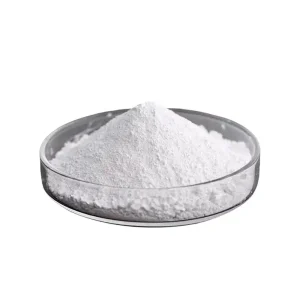
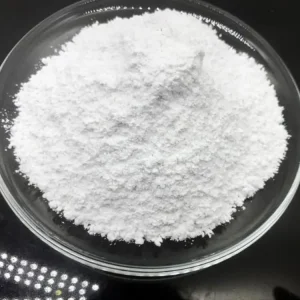
Executive Summary
In the complex landscape of biochemical raw materials, terminology often overlaps, leading to frequent inquiries from procurement professionals and R&D scientists. One of the most common questions is whether N-Acetylneuraminic Acid (NANA) is the same as Sialic Acid. While the terms are often used interchangeably in commercial and biological contexts, they represent a relationship of a specific compound to a broader chemical family. This guide clarifies the technical distinctions, explores industrial applications, and provides procurement standards for businesses seeking high-quality NANA raw material for nutraceutical and pharmaceutical formulations.
Understanding the Relationship: Is NANA the Same as Sialic Acid?
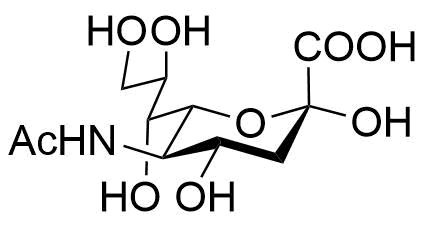
To answer the question directly: N-Acetylneuraminic Acid (NANA) is the most common and representative member of the Sialic Acid family.
Sialic acid is a general term for a group of over 50 derivatives of neuraminic acid. However, in the vast majority of human biological processes and commercial applications, N-acetylneuraminic acid is the predominant form. Because NANA is the version most frequently synthesized and studied for its health benefits—particularly in infant nutrition and cognitive health—the industry often uses “Sialic Acid” as a synonym for NANA.
For a NANA Manufacturer, the distinction is critical for labeling and purity standards. While all NANA is Sialic Acid, not all Sialic Acids are NANA. For industrial-scale bulk supply, specifying N-Acetylneuraminic Acid ensures you are getting the precise molecular structure required for metabolic efficacy.
The Role of N-Acetylneuraminic Acid (NANA) in Modern Industry
As a leading NANA factory, we have observed a significant surge in demand for this compound due to its vital biological functions. NANA is a key component of glycoproteins and glycolipids, playing a crucial role in:
-
Brain Development: It is a vital nutrient for cognitive function and the formation of neural connections.
-
Immune Modulation: It helps prevent pathogen adhesion and supports the body’s natural defense systems.
-
Cellular Signaling: Acting as a mediator for cell-to-cell interaction and protein stability.
For businesses looking to source NANA powder, understanding these applications is essential for positioning end-products in the competitive health and wellness market.
Technical Specifications for Bulk NANA Raw Material
When evaluating a wholesale partner for N-Acetylneuraminic Acid, technical transparency is the foundation of trust. High-quality NANA raw material should meet rigorous pharmaceutical and food-grade standards.
Quality Indicators to Monitor:
-
Purity (HPLC): Look for a minimum purity of 98% to ensure the absence of fermentation by-products.
-
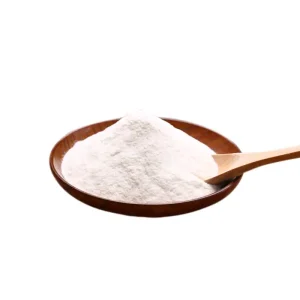
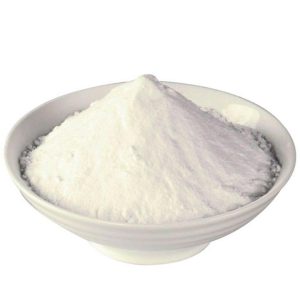
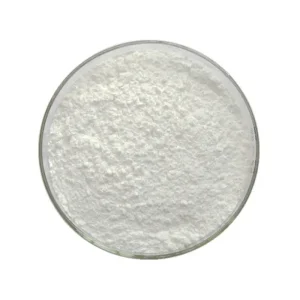
Solubility: Premium NANA powder should be highly water-soluble, making it ideal for liquid supplements and infant formulas.
-
Stability: Ensure the material remains stable under standard processing temperatures for nutraceutical manufacturing.
Procurement Guide: Selecting a Reliable NANA Manufacturer
Sourcing from a reputable NANA factory involves more than comparing prices. To ensure global compliance and product safety, your supplier should possess a comprehensive suite of certifications.
As a professional manufacturer based in China, we emphasize the following “Gold Standards” for bulk procurement:
-
Certifications: Verify ISO 9001, ISO 22000, and GMP compliance. For specific markets, Halal and Kosher certifications are often non-negotiable.
-
R&D Capacity: A supplier with strong R&D can offer customized formulations and technical support for integrating NANA into your specific product matrix.
-
Traceability: Third-party testing reports (such as SGS or NSF) should be available to provide complete transparency for every batch.

Conclusion
While “Sialic Acid” is the family name, N-Acetylneuraminic Acid (NANA) is the functional powerhouse used in the industry today. For brands and laboratories, identifying a partner that specializes in NANA powder production is key to ensuring product efficacy and supply chain stability. By focusing on high-purity raw material and verified manufacturing standards, businesses can confidently incorporate this “brain gold” into their global product offerings.
FAQ: Frequently Asked Questions
1. Can NANA be used in infant formula?
Yes, N-Acetylneuraminic Acid is a natural component of human breast milk. Many manufacturers source bulk NANA to fortify infant formulas to better mimic the nutritional profile of breast milk, specifically for cognitive development.
2. What is the shelf life of NANA powder?
Typically, high-quality NANA raw material has a shelf life of 24 months when stored in a cool, dry place away from direct sunlight. Always check the COA (Certificate of Analysis) provided by your Manufacturer.
3. Is NANA a natural or synthetic product?
In the commercial market, NANA is typically produced through advanced biomanufacturing or fermentation processes. This method ensures the compound is identical to the NANA found in nature while remaining sustainable and affordable for wholesale distribution.
4. How do I verify the quality of a NANA bulk order?
Request a third-party lab report and a sample for pilot testing. A reliable NANA factory will provide detailed HPLC chromatography to prove purity levels and microbiological safety.