
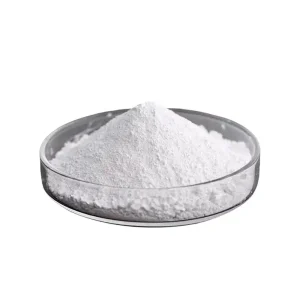
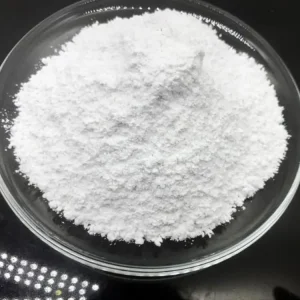
Abstract Many consumers and even supplement brand owners confuse NADH with NAD or NAD+. While they are closely related, NADH and NAD are not the same thing. This distinction is critical when selecting high-quality raw materials for anti-aging, energy-boosting, or cognitive health supplements. In this article, we’ll clearly explain the biochemical differences, their respective roles in the body, and why stable, high-purity NADH powder has become one of the most sought-after ingredients for premium dietary supplement formulations.
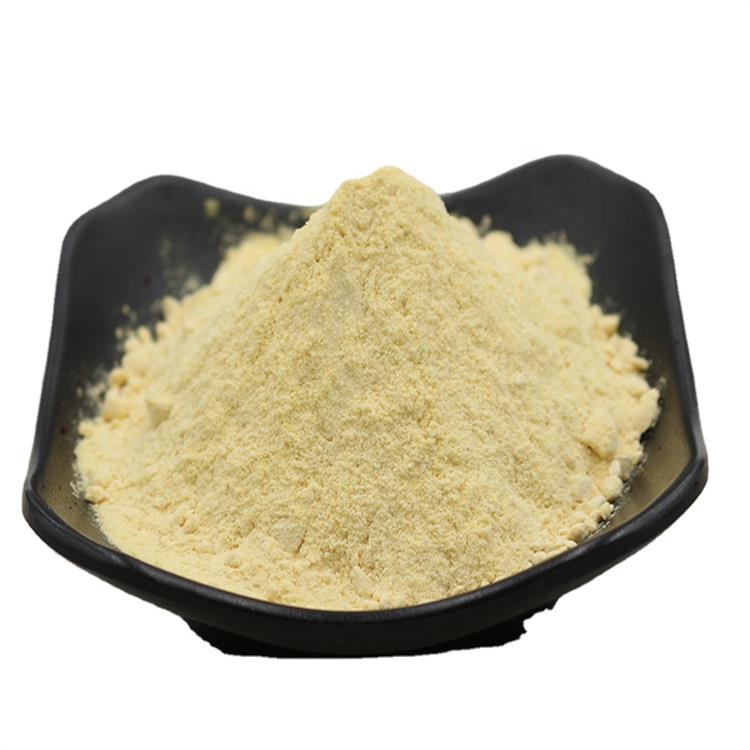
What Are NAD and NADH? A Quick Biochemistry Primer
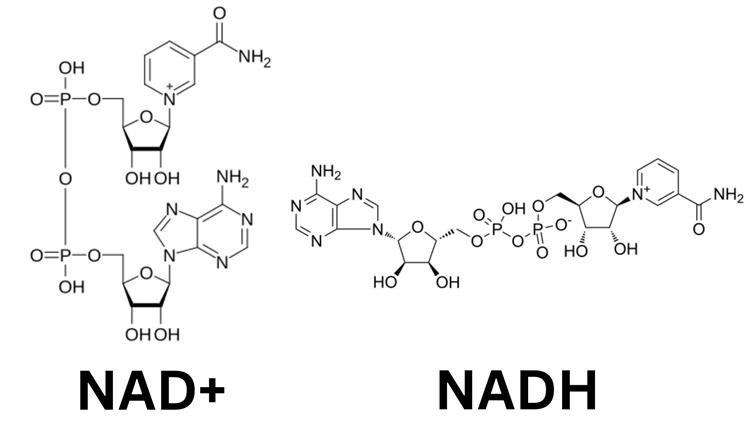
NAD (Nicotinamide Adenine Dinucleotide) exists in two main forms in two forms inside every living cell:
- NAD⁺ – the oxidized form
- NADH – the reduced form
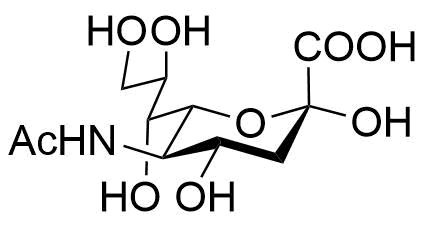
NAD⁺ accepts electrons during metabolic reactions (such as in the Krebs cycle) and becomes NADH. NADH then donates those electrons to the electron transport chain to produce ATP, the cell’s energy currency. In simple terms: NAD⁺ + 2e⁻ + 2H⁺ ⇌ NADH + H⁺
So, no — NADH is not the same as NAD. NADH is the electron-rich, reduced version of NAD⁺. They are two sides of the same redox couple that powers cellular energy production.
Why the Difference Matters for Supplement Manufacturers
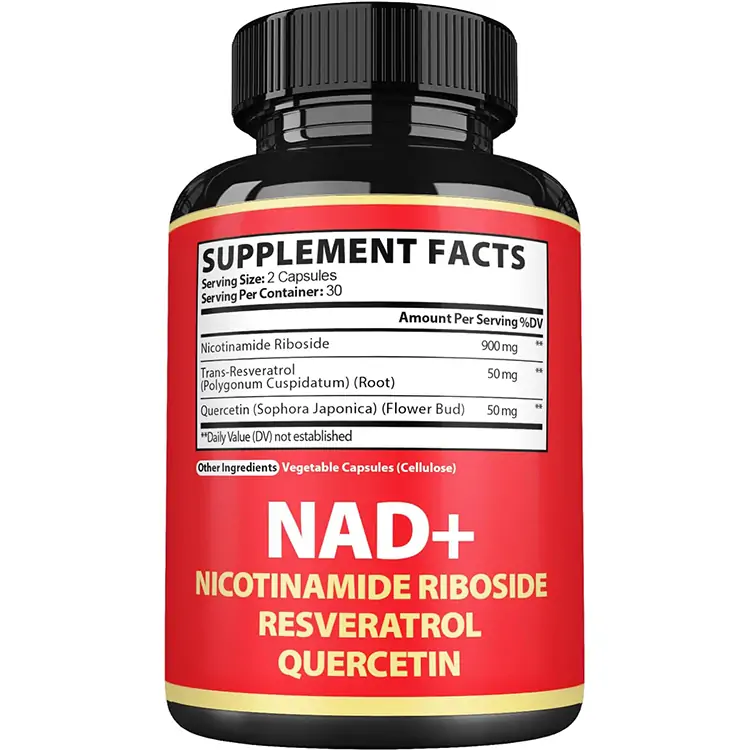
Most mainstream “NAD+ booster” products actually contain precursors such as:
- Nicotinamide Riboside (NR)
- Nicotinamide Mononucleotide (NMN)
- Niacin or Nicotinamide
These precursors raise NAD⁺ levels indirectly. Direct NADH supplementation, however, provides the body with the already-reduced form that can immediately participate in energy metabolism and act as a potent antioxidant.
Clinical studies have shown that oral NADH (typically in a stabilized form) can:
- Improve cognitive function in chronic fatigue syndrome
- Support cellular energy production in fibromyalgia patients
- Enhance athletic endurance and recovery
- Exhibit strong neuroprotective effects
Because of these evidence-based benefits, demand for pharmaceutical-grade NADH powder as a raw material has surged among premium supplement brands.
NADH vs. NAD+ Precursors: Which Raw Material Should You Choose?
| Feature | NADH (Reduced Form) | NR / NMN (Precursors) |
|---|---|---|
| Directness | Immediately usable | Must be converted (2–3 steps) |
| Stability | Extremely sensitive to light, heat, moisture | Relatively stable |
| Absorption | Sublingual or enteric-coated recommended | Good oral bioavailability |
| Primary Benefit | Rapid energy + antioxidant support | Long-term NAD+ pool replenishment |
| Cost as Raw Material | Higher (due to stabilization tech) | Lower |
For brands targeting fast-acting energy, high-potency energy or cognitive formulas, pure NADH raw material remains the gold standard.
Choosing a Reliable NADH Powder Manufacturer for Bulk Wholesale
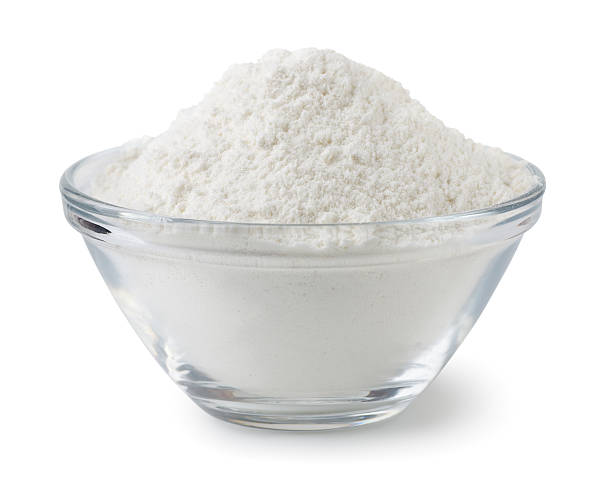
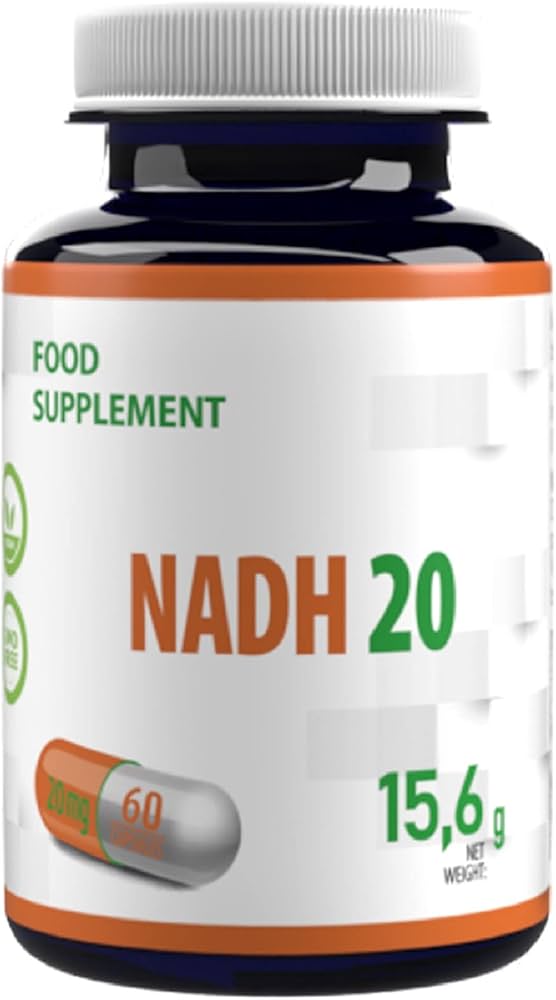
Not all NADH is created equal. Unstabilized NADH degrades rapidly into inactive nicotinamide and other byproducts, rendering the final product ineffective. When sourcing NADH powder in bulk, look for a manufacturer that provides:
- ≥98% purity (HPLC verified)
- Microencapsulation or other patented stabilization technology
- Full CoA, MSDS, non-GMO, allergen-free certificates
- FDA-registered and GMP-certified facility
- Third-party lab testing for heavy metals, microbes, and residual solvents
- Stable shelf life of at least 24 months when properly stored
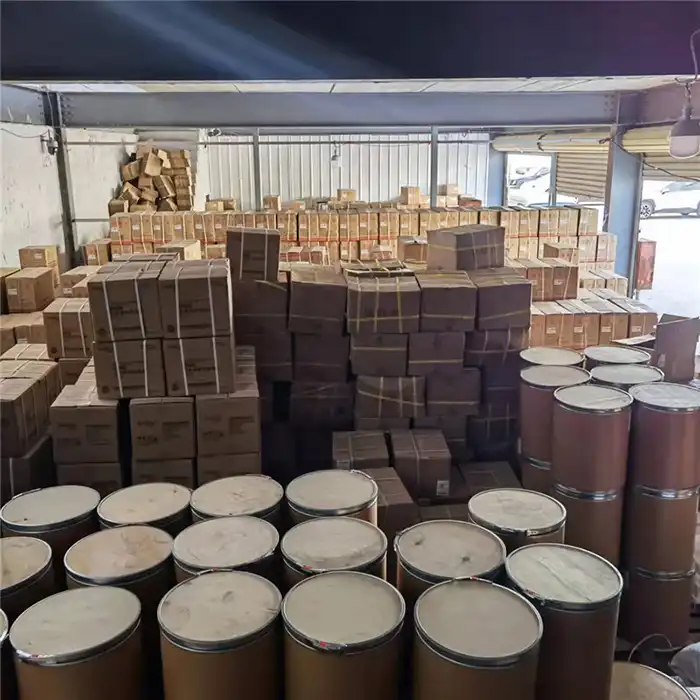
Reputable manufacturers also offer flexible order quantities (from 1 kg R&D samples to multi-ton bulk wholesale) and competitive pricing with transparent lead times.
Applications of High-Purity NADH Raw Material in Modern Supplements
Leading supplement brands are now formulating NADH into:
- Sublingual tablets (10–20 mg rapid absorption)
- Enteric-coated capsules
- Liposomal liquid shots
- Nootropic and mitochondrial support stacks (combined with CoQ10, PQQ, etc.)
- Anti-aging beauty-from-within powders
The clean label trend has also increased demand for 100% pure NADH powder without unnecessary fillers or flowing agents.
Summary
NADH is not the same as NAD or NAD+. It is the reduced, electron-loaded form that delivers immediate cellular energy and powerful antioxidant activity. For dietary supplement brands that want to stand out with science-backed, fast-acting products, pharmaceutical-grade NADH powder is an increasingly strategic raw material. Partnering with an experienced, GMP-certified NADH manufacturer ensures you receive stable, high-purity material that translates into real results for your customers.
Frequently Asked Questions (FAQ)
Q1: Can NADH and NAD+ be used interchangeably in supplements? No. They have different biochemical roles and stability profiles. NADH is far more unstable and requires special handling and formulation technology.
Q2: Is NADH powder safe for long-term use? Yes. Human clinical trials using 10–20 mg daily for months have shown excellent safety and tolerability.
Q3: Why is NADH raw material more expensive than NR or NMN? The complex, low-temperature manufacturing process and mandatory stabilization technology significantly increase production costs.
Q4: How should finished NADH supplements be stored? In a cool, dark place (below 25°C), ideally refrigerated. Avoid exposure to moisture and direct light.
Q5: Where can I source high-quality NADH powder in bulk wholesale quantities? Work directly with established GMP manufacturers specializing in coenzyme ingredients. Request certificates, third-party test reports, and stability data before placing large orders.
If you’re developing a premium energy, cognitive, or anti-aging supplement and need a trusted NADH raw material supplier, feel free to contact us for samples, specifications, and competitive bulk pricing.