
Executive Summary
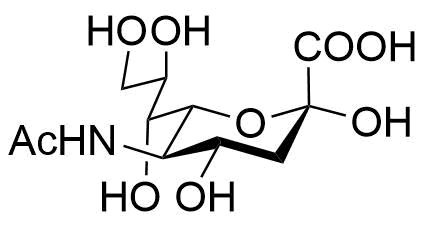
In the complex landscape of biochemical raw materials, terminology often creates confusion for procurement managers and product formulators. A frequent question we encounter is: Is N-acetylneuraminic acid the same as sialic acid? While the terms are often used interchangeably in commercial catalogs, there is a nuanced distinction between the two. Understanding this relationship is critical for ensuring material purity, regulatory compliance, and efficacy in nutraceutical and pharmaceutical applications. As a leading manufacturer of high-purity N-acetylneuraminic acid (NANA) powder, we provide this technical guide to clarify these differences and assist in professional bulk procurement.
Defining the Relationship: Sialic Acid vs. NANA
To answer the core question: N-acetylneuraminic acid (NANA) is the most common member of the sialic acid family.
“Sialic acid” is actually a collective term for a diverse family of over 50 derivatives of neuraminic acid. However, in the vast majority of biological contexts—especially regarding human health and nutrition—NANA is the predominant form. Because it is the most ubiquitous version found in nature, many suppliers and researchers use “Sialic Acid” as a synonym for N-acetylneuraminic acid.
When you are sourcing NANA raw material, you are looking for a specific, purified molecule, whereas “Sialic Acid” could technically refer to other variations (like Neu5Gc) which are not always desired in human-grade formulations.
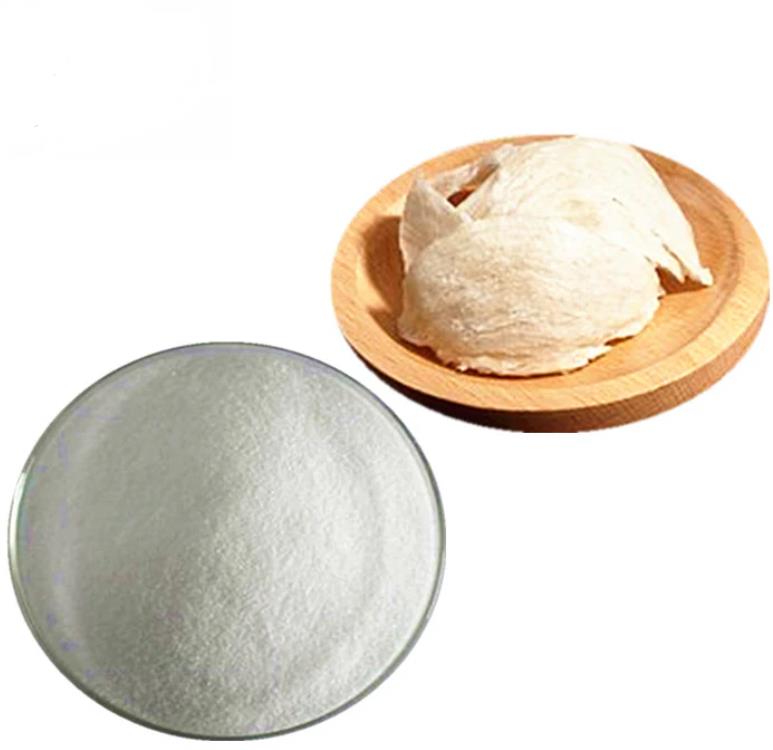
Technical Specifications for NANA Powder
For a NANA factory, the goal is to produce a stable, bioavailable compound that meets international safety standards. N-acetylneuraminic acid is a nine-carbon sugar that plays a vital role in cell-to-cell signaling and brain development.
Key Industrial Characteristics:
-
Chemical Formula: $C_{11}H_{19}NO_9$
-
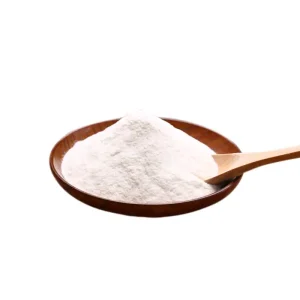
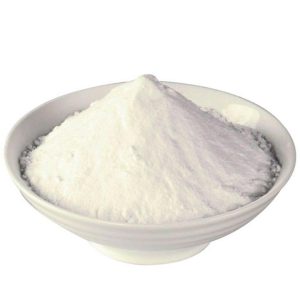
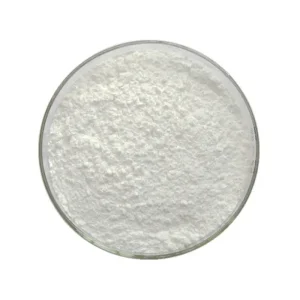
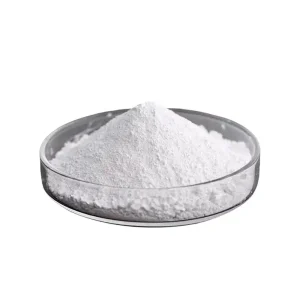
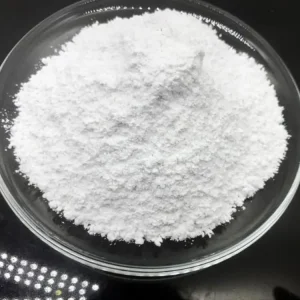
Appearance: Fine white crystalline powder.
-
Solubility: High water solubility, making it ideal for liquid supplements and functional beverages.
-
Purity Standards: For wholesale industrial use, purity should typically exceed 98% to ensure efficacy in the final product.
Applications in Nutraceuticals and Pharmaceuticals
As a manufacturer, we see N-acetylneuraminic acid being integrated into diverse product lines due to its biological importance:
-
Infant Formula: NANA is a key component of human milk oligosaccharides (HMOs), supporting neonatal brain development and immune function.
-
Cognitive Health: Bulk procurement of NANA is increasing in the “nootropics” sector, as it is a precursor to essential glycolipids in the brain.
-
Skin Care: Due to its role in cell surface signaling, it is increasingly used as a premium raw material in anti-aging topicals.
Sourcing and Quality Compliance for Bulk Procurement
When purchasing N-acetylneuraminic acid powder in bulk, the “Trust” factor of EEAT (Experience, Expertise, Authoritativeness, and Trustworthiness) is paramount. Professional buyers must vet their NANA raw material suppliers based on the following criteria:
-
Manufacturing Standards: Ensure the facility follows GMP (Good Manufacturing Practice) and holds ISO certifications (such as ISO 9001 and ISO 22000).
-
Analytical Verification: A reliable Manufacturer should provide a comprehensive Certificate of Analysis (COA) for every batch, including heavy metal limits and microbiological testing.
-
Traceability: Full transparency regarding the fermentation or synthesis process is essential for global regulatory compliance, including Halal and Kosher requirements.
Conclusion
While “Sialic Acid” serves as a broad category name, N-acetylneuraminic acid (NANA) is the specific compound required for high-end nutritional and pharmaceutical applications. For businesses looking to scale production, sourcing high-grade NANA powder from a dedicated factory ensures consistency, cost-effectiveness, and safety. Understanding this distinction allows for more precise labeling and better communication with your end consumers.

FAQ: Frequently Asked Questions
Q: Can I label my product as “Sialic Acid” if it contains NANA?
A: Yes, in many jurisdictions, it is common to use “Sialic Acid” on the supplement facts panel, though specifying “N-acetylneuraminic acid” provides better technical clarity for sophisticated consumers.
Q: What is the shelf life of NANA raw material?
A: When stored in a cool, dry place in its original sealed packaging, high-quality NANA powder typically has a shelf life of 24 months.
Q: Is your NANA powder produced via synthetic biology?
A: Modern production often utilizes advanced fermentation and synthetic biology techniques to ensure the compound is sustainable, affordable, and of the highest purity compared to traditional extraction methods.
Q: Do you offer wholesale pricing for international shipping?
A: As a direct manufacturer, we provide tiered pricing for bulk orders and manage global logistics to ensure short lead times and stable supply chains.