
Abstract
NADH (Nicotinamide Adenine Dinucleotide, reduced form) is one of the most biochemically significant coenzymes in human metabolism. For supplement brands, contract manufacturers, and health product formulators, understanding how NADH is formed — both biologically and industrially — is foundational to making informed sourcing and formulation decisions. This article explores the biosynthetic pathways of NADH, its role in cellular energy production, the industrial manufacturing processes behind NADH powder production, and what B2B buyers should evaluate when sourcing NADH raw material, NADH bulk quantities, or working with an NADH manufacturer. Whether you are developing a new energy supplement line or scaling an existing formulation, this guide provides the technical and commercial context you need.
What Is NADH and Why Does It Matter?
NADH stands for the reduced form of nicotinamide adenine dinucleotide (NAD+). It is a dinucleotide coenzyme found in every living cell and plays a central role in redox reactions — the biochemical processes by which cells generate energy. In simple terms, NADH is the electron-carrying form of NAD+: it holds two electrons and one proton gained during the oxidation of metabolic substrates such as glucose, fatty acids, and amino acids.
From a supplement industry standpoint, NADH has attracted substantial attention due to its association with cellular energy metabolism, mitochondrial function, and antioxidant activity. The global market for NAD-related supplements has expanded considerably, and demand for high-quality NADH powder, NADH raw material, and NADH bulk supply has grown accordingly among brands operating in the sports nutrition, anti-aging, cognitive health, and general wellness segments.
The Biological Formation of NADH: Key Metabolic Pathways
Glycolysis
The first stage of glucose metabolism, glycolysis, takes place in the cytoplasm and does not require oxygen. During this pathway, one molecule of glucose is broken down into two molecules of pyruvate. In this process, NAD+ is reduced to NADH — specifically at the step catalyzed by glyceraldehyde-3-phosphate dehydrogenase. Two molecules of NADH are generated per glucose molecule during glycolysis.
This cytoplasmic NADH must be shuttled into the mitochondria to participate in the electron transport chain, as the inner mitochondrial membrane is impermeable to NADH directly.
Pyruvate Oxidation (Pyruvate Dehydrogenase Complex)
Before entering the citric acid cycle, pyruvate is converted to acetyl-CoA by the pyruvate dehydrogenase complex (PDC) in the mitochondrial matrix. During this oxidative decarboxylation reaction, one molecule of NADH is produced per pyruvate molecule, meaning two NADH molecules are formed from one glucose molecule at this stage.
This reaction is irreversible and tightly regulated, making it a critical control point in aerobic energy metabolism.
The Citric Acid Cycle (Krebs Cycle)
The citric acid cycle is quantitatively the most significant source of mitochondrial NADH. Each complete turn of the cycle produces three molecules of NADH (at the isocitrate dehydrogenase, alpha-ketoglutarate dehydrogenase, and malate dehydrogenase steps), along with one molecule of FADH2 and one molecule of GTP.
Since two acetyl-CoA molecules enter the cycle per glucose molecule, a total of six NADH molecules are generated per glucose through this pathway alone.
The Electron Transport Chain and NADH Oxidation
It is important to note the distinction between NADH formation and NADH utilization. In the electron transport chain (ETC), located on the inner mitochondrial membrane, NADH donates its electrons to Complex I (NADH dehydrogenase), which initiates the proton gradient used to drive ATP synthesis via ATP synthase. In this step, NADH is oxidized back to NAD+, which is then recycled into the metabolic pathways described above.
This cyclical relationship between NAD+ and NADH is what makes the coenzyme so metabolically indispensable.
The Pentose Phosphate Pathway and Other Sources
NADH can also be formed via the malate-aspartate shuttle, beta-oxidation of fatty acids (where multiple NADH molecules are generated per fatty acid chain), and amino acid catabolism. Each of these pathways contributes to the total cellular NADH pool depending on the metabolic state of the cell.
NAD+ Biosynthesis and Its Relationship to NADH Formation
NADH cannot be formed without NAD+. Understanding how cells synthesize and maintain the NAD+ pool is therefore directly relevant to understanding the overall NADH supply.
Cells synthesize NAD+ through several routes. The de novo pathway starts from the amino acid tryptophan and involves a multi-step enzymatic process resulting in the formation of nicotinic acid mononucleotide (NaMN), which is then converted to NAD+. The Preiss-Handler pathway utilizes nicotinic acid (niacin) as a starting substrate. The salvage pathway, which is the predominant route in most human tissues, recycles nicotinamide released from NAD+ consumption (by enzymes such as PARPs, sirtuins, and CD38) back into NAD+ using nicotinamide phosphoribosyltransferase (NAMPT) as the rate-limiting enzyme.
For supplement formulators, this biochemical background reinforces the scientific rationale behind NAD+ precursor supplementation (such as NMN and NR) and direct NADH supplementation — both strategies aimed at supporting or replenishing cellular NAD/NADH levels.
Industrial Production of NADH Powder: From Biosynthesis to Raw Material
Fermentation-Based Manufacturing
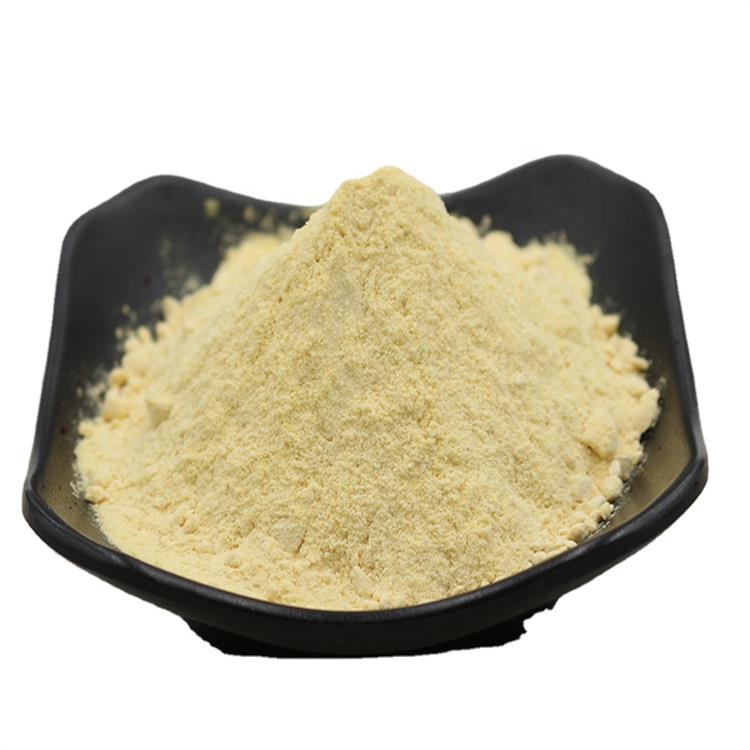
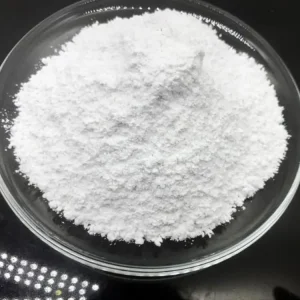
The primary industrial method for producing NADH as a supplement raw material is microbial fermentation. Selected microbial strains — typically yeast or bacterial species with high NAD biosynthetic capacity — are cultivated under controlled conditions. During active fermentation, these organisms generate intracellular NADH as part of their normal metabolic activity.
Post-fermentation, the cells are harvested, lysed, and subjected to extraction and purification protocols designed to isolate and concentrate NADH while preserving its chemical stability. This is technically challenging because NADH is inherently unstable: it is sensitive to heat, light, oxidation, and pH extremes. A reputable NADH manufacturer must have rigorous in-process controls and downstream processing capabilities to deliver a stable, high-purity final product.
Enzymatic Synthesis
An alternative approach involves enzymatic synthesis, where NAD+ is converted to NADH using specific oxidoreductase enzymes in the presence of a substrate that serves as the electron donor. This method allows for more controlled production conditions and can yield high-purity NADH, though it is typically more resource-intensive at scale.
Stabilization Technologies
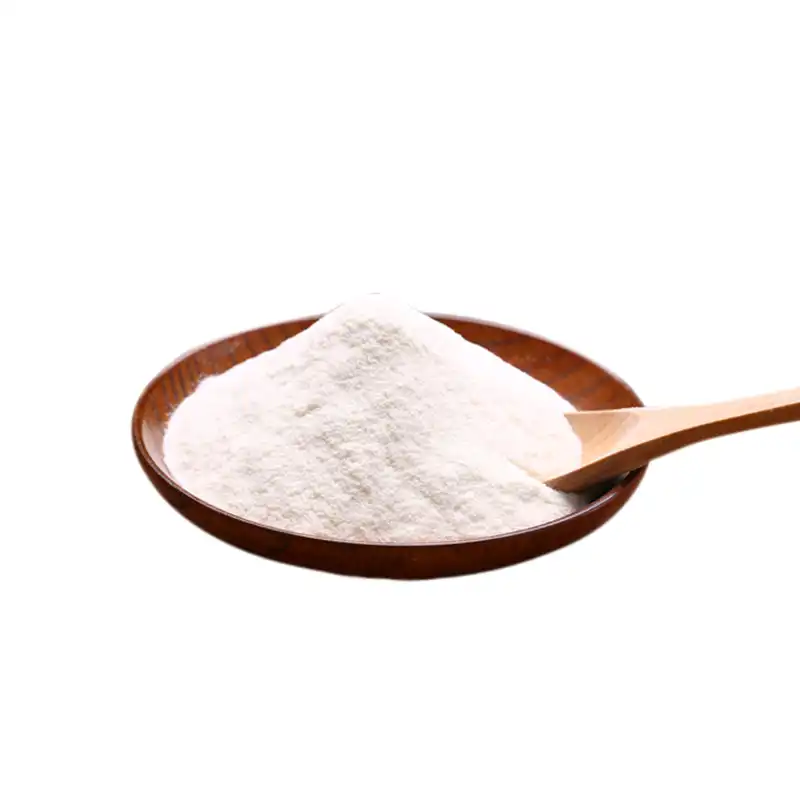
One of the defining factors that differentiates high-quality NADH powder from lower-grade material is the use of stabilization technology. Because NADH degrades rapidly when exposed to moisture, oxygen, or elevated temperatures, reputable manufacturers employ microencapsulation, lyophilization (freeze-drying), or the use of stabilizing excipients to protect the active molecule throughout storage and handling.
When evaluating NADH raw material suppliers, B2B buyers should request documentation on stability testing, including shelf-life data under defined storage conditions, to ensure that the material they receive will retain potency through the manufacturing and distribution lifecycle.
Key Quality Indicators for NADH Raw Material and Bulk Supply
For brands and formulators sourcing NADH wholesale or in bulk quantities, quality evaluation goes beyond a certificate of analysis. The following parameters are commercially and scientifically relevant:
Purity and Assay: NADH content should be verified using validated analytical methods such as HPLC. Pharmaceutical-grade or supplement-grade NADH typically specifies a purity of 95% or above, with premium grades exceeding 98%.
Residual Solvents and Heavy Metals: Given the extraction processes involved in NADH manufacturing, screening for residual organic solvents and heavy metal contaminants (lead, arsenic, mercury, cadmium) is essential for compliance with regulatory requirements in the US, EU, and other markets.
Microbial Limits: Fermentation-derived ingredients carry inherent microbiological risk. Total aerobic count, yeast, mold, and pathogen testing (E. coli, Salmonella) should be included in every batch release protocol.
Particle Size and Flow Properties: For downstream processing into capsules, tablets, or powders, the physical characteristics of NADH powder matter. Ask suppliers about particle size distribution and flowability data, especially if you are running high-speed encapsulation or tablet compression equipment.
Stability Documentation: As noted above, stability data is critical. Request accelerated stability study results and real-time stability data to understand how the NADH raw material behaves over time in its intended packaging configuration.
Regulatory Compliance Documentation: Verify that the supplier holds relevant certifications such as GMP, ISO 9001, ISO 22000, and HACCP, and that they can provide FDA registration documentation where applicable. For markets requiring Halal or Kosher compliance, ensure those certifications are current and auditable.
Considerations for Brands Sourcing NADH Wholesale or Bulk
Minimum Order Quantities and Scalability
When engaging with an NADH manufacturer for wholesale or bulk purchase, clarify minimum order quantities (MOQ) early in the conversation. Some suppliers set high MOQs that are not appropriate for brands in the early launch phase. A flexible supplier who can accommodate both trial-scale and commercial-scale orders provides more long-term value.
Supply Chain Transparency
For a raw material as technically complex as NADH, supply chain transparency is a competitive differentiator. Brands should request information about the origin of fermentation substrates, the identity of microbial strains used (where proprietary concerns allow), and the location and regulatory standing of the manufacturing facility.
Customization of Specifications
Some formulation requirements call for specific NADH particle sizes, moisture specifications, or encapsulated forms. A capable NADH raw material supplier should be able to work with your technical team to develop a specification that meets your downstream processing needs.
Regulatory Support
Navigating the regulatory landscape for NADH-containing products — particularly in markets like the United States (where DSHEA governs dietary supplements) and the European Union (where novel food regulations may apply) — requires suppliers who understand compliance requirements and can provide supporting documentation for regulatory filings.
Summary
NADH is formed through a series of tightly regulated enzymatic reactions in cellular metabolism, principally during glycolysis, the pyruvate dehydrogenase reaction, and the citric acid cycle. Its formation is intrinsically linked to the availability of NAD+, which cells synthesize and recycle through dedicated biosynthetic pathways. Industrially, NADH powder is produced through microbial fermentation or enzymatic synthesis, with stabilization technologies playing a critical role in preserving potency and shelf life.
For supplement brands, private label manufacturers, and formulators sourcing NADH raw material, NADH bulk, or NADH wholesale, the quality of the source material is foundational to product performance and regulatory compliance. Evaluating suppliers on the basis of purity documentation, stability data, GMP certification, and supply chain transparency is not optional — it is essential to building products that perform reliably and meet the standards expected in professional health markets globally.
Frequently Asked Questions (FAQ)
Q1: What is the difference between NAD+ and NADH in the context of supplement raw materials? NAD+ is the oxidized form of the coenzyme, while NADH is the reduced form carrying two electrons and one proton. In supplement formulations, both forms are used, but they have different stability profiles and bioavailability considerations. NADH is less stable than NAD+ and requires more careful handling and stabilization during manufacturing and storage.
Q2: How should NADH powder be stored to maintain stability? NADH powder should be stored in a cool, dry environment away from light and oxygen exposure. Most manufacturers recommend storage at 2–8°C in airtight, light-protective packaging. Brands sourcing NADH raw material should confirm the recommended storage conditions with their supplier and factor those requirements into their warehouse and logistics planning.
Q3: What certifications should I look for when selecting an NADH manufacturer? At minimum, look for GMP certification, ISO 9001, ISO 22000, and HACCP. FDA registration of the manufacturing facility is important for brands selling in the US market. Additional certifications such as Halal, Kosher, and Vegan may be required depending on your target market and brand positioning.
Q4: Is NADH produced from natural fermentation considered suitable for clean-label products? NADH produced via microbial fermentation can generally be positioned as naturally derived, depending on the fermentation substrates and downstream processing methods used. Brands developing clean-label products should request a full manufacturing process summary from their supplier to confirm alignment with their labeling claims.
Q5: What is a typical purity level for pharmaceutical or supplement-grade NADH bulk material? Supplement-grade NADH typically has a purity of 95% or above as measured by HPLC. Higher-grade material may reach 98% or greater purity. Always request a batch-specific certificate of analysis and confirm the analytical method used to measure purity.
Q6: Can NADH be combined with other ingredients in a formulation? Yes, NADH is commonly formulated alongside other NAD+ precursors such as NMN or NR, B vitamins, CoQ10, and antioxidants. However, compatibility testing is important, as certain combinations may accelerate NADH degradation. Work with your formulation team and raw material supplier to conduct compatibility and stability studies before finalizing a multi-ingredient formula.
Q7: What is the typical lead time for NADH bulk or wholesale orders? Lead times vary by manufacturer and order volume. For standard NADH powder orders, lead times of 2 to 6 weeks from order confirmation are common. Custom specifications or large-volume orders may require longer lead times. Establish clear timelines with your supplier early in the procurement process to avoid production delays.
About Gothink Biotech: Your Trusted NADH Manufacturer and Supplement Raw Material Partner
Shenzhen Gothink Biotech Co., Ltd. is a leading contract supplement manufacturer and nutrition supplement supplier based in China, offering comprehensive OEM, ODM, CMO, and CDMO services to health brands, private label operators, and distributors worldwide.
Our manufacturing capabilities include NADH powder, NADH raw material, and NADH bulk supply, alongside a full portfolio of supplement formats including gummies, capsules, tablets, powders, liquids, and drops. We support brands across categories including sports nutrition, cognitive health, anti-aging, women’s wellness, and general health.
Our facility operates a 100,000-class cleanroom with a daily output of 16 tons and an annual production capacity of 5,000 tons. Our in-house R&D laboratory is certified to 10,000-class pharmaceutical-grade standards and is led by postdoctoral researchers with backgrounds at institutions including Cold Spring Harbor Laboratory, Emory University School of Medicine, and The Ohio State University.
We hold certifications including ISO 9001, ISO 22000, HACCP, GMP, FDA registration, Halal, Kosher, and Vegan, ensuring that our products and processes meet the compliance requirements of major global markets.
Whether you are sourcing NADH wholesale for an existing product line, developing a new formulation, or looking for a reliable NADH manufacturer capable of scaling with your brand, Gothink Biotech offers flexible MOQs, full technical support, and end-to-end supply chain transparency.
To request product specifications, certificates of analysis, or a manufacturing consultation, contact our team directly through our official website at gttbio.com.