
Summary
Glucosamine is one of the most widely researched and in-demand ingredients in joint health supplements, with global market revenue projected to reach $3.5 billion by 2030 according to Grand View Research. For supplement brands, retailers, and contract manufacturers, understanding its mechanism of action, quality standards, and sourcing options is critical to developing effective, compliant products that meet consumer demand. This guide breaks down the biological processes behind glucosamine’s efficacy, key quality considerations for sourcing, and practical insights for businesses looking to incorporate this ingredient into their product lines, including guidance on evaluating supplement raw materials suppliers to ensure consistency and regulatory compliance.
What Is Glucosamine and Its Core Biological Function
Glucosamine is a naturally occurring amino sugar found in the human body, primarily in the fluid surrounding joints, cartilage, and connective tissue. As a dietary supplement ingredient, it is most commonly derived from crustacean shells, with non-animal fermentation-based sources also available for allergen-free product lines.
Natural Role in the Human Body
In endogenous production, glucosamine acts as a foundational building block for glycosaminoglycans (GAGs), long-chain carbohydrates that are a core component of articular cartilage. GAGs help cartilage retain water, maintaining its cushioning properties and reducing friction between bones during movement. As the body ages, natural glucosamine production declines, contributing to gradual cartilage breakdown and joint discomfort, a key driver of consumer demand for joint health products.
Common Supplement Forms for Commercial Use
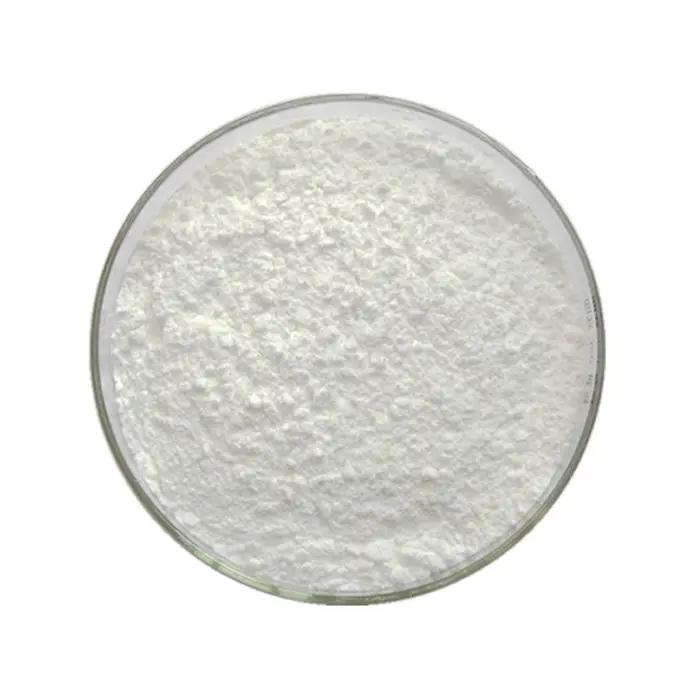
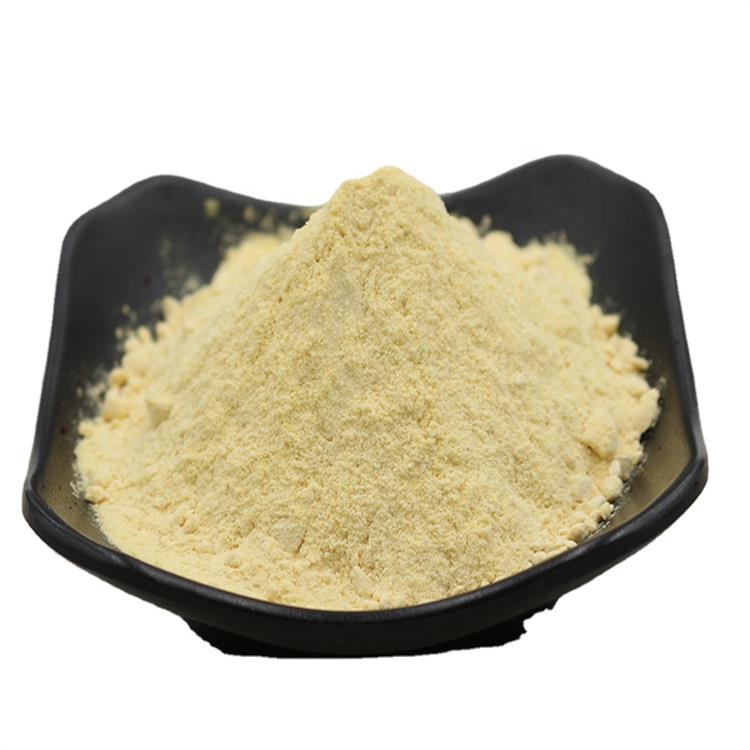
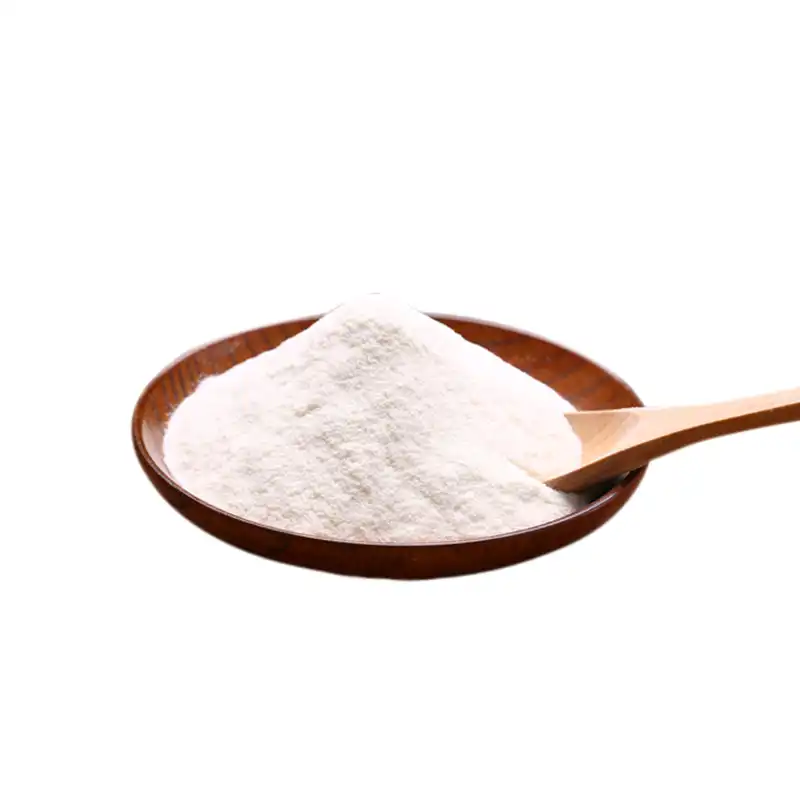
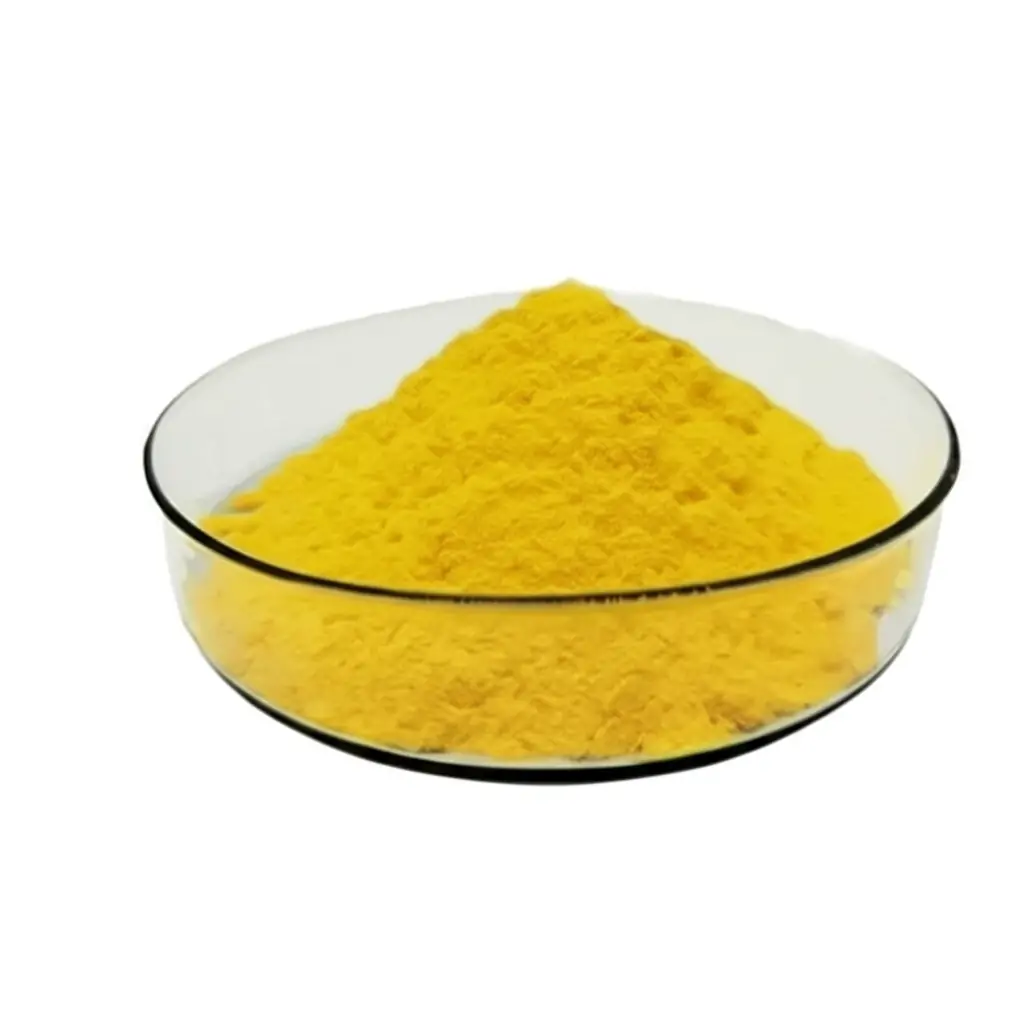
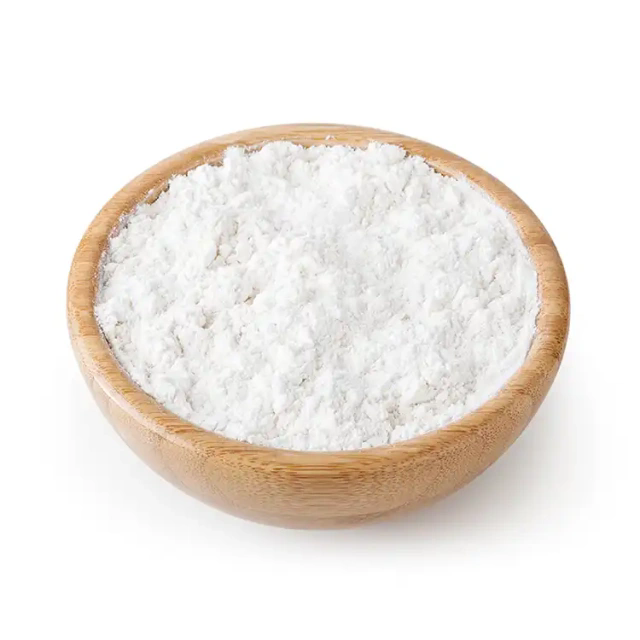
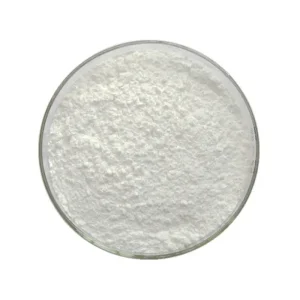
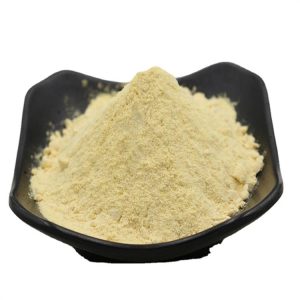
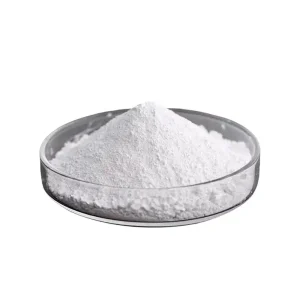
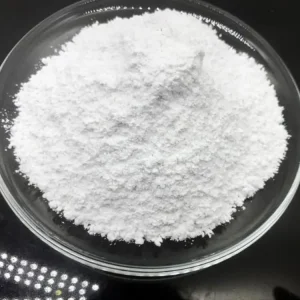
For product formulation, glucosamine powder is the most widely used format, available in three primary variants:
- Glucosamine sulfate: The most clinically studied form, often combined with chondroitin for enhanced efficacy
- Glucosamine hydrochloride: A higher-purity option with lower sodium content, suitable for low-sodium product lines
- N-acetyl glucosamine: A more bioavailable form used in both joint health and skincare formulations
The Biological Mechanism: How Glucosamine Supports Joint Health
Multiple peer-reviewed studies confirm glucosamine’s role in supporting joint function, with the *Journal of the American Medical Association* noting that regular glucosamine supplementation can reduce osteoarthritis-related pain by up to 20% in long-term users. Its efficacy stems from three key biological pathways:
1. Stimulates Cartilage Matrix Synthesis
When consumed, glucosamine is absorbed into the bloodstream and transported to joint tissue, where it acts as a precursor for GAG and proteoglycan production. These molecules form the structural framework of cartilage, helping to repair micro-damage caused by wear and tear, and maintain the tissue’s elastic, shock-absorbent properties. For supplement brands, this mechanism is a key selling point for products targeted at active adults and older consumers.
2. Reduces Inflammatory Responses in Joint Tissue
Glucosamine also modulates the activity of pro-inflammatory cytokines and enzymes that contribute to cartilage degradation, including matrix metalloproteinases (MMPs). Unlike non-steroidal anti-inflammatory drugs (NSAIDs), which provide temporary pain relief, glucosamine addresses one of the underlying causes of joint discomfort, making it suitable for long-term use in daily supplement regimens.
3. Supports Synovial Fluid Production
Synovial fluid acts as a lubricant for joints, reducing friction during movement and supplying nutrients to cartilage cells (chondrocytes). Glucosamine promotes the production of hyaluronic acid, a key component of synovial fluid, helping to maintain optimal joint lubrication and reduce stiffness after periods of inactivity.
Key Sourcing Considerations for Businesses Sourcing Glucosamine
For B2B buyers, the quality of glucosamine raw material directly impacts product efficacy, regulatory compliance, and brand reputation. When evaluating suppliers, prioritize the following criteria:
Raw Material Purity and Testing Standards
High-quality glucosamine raw material should have a minimum purity of 99%, with third-party lab testing confirming the absence of heavy metals, microbial contaminants, and residual solvents. For crustacean-derived glucosamine, suppliers should also provide allergen testing documentation to support product labeling requirements in regions like the EU, US, and Australia. Reputable manufacturers will provide CoA (Certificate of Analysis) for every batch, allowing you to verify quality before production.
Regulatory Compliance Across Markets
Different regions have specific regulations for glucosamine supplements: in the US, it is classified as a dietary ingredient under the DSHEA, while in the EU it is registered as a food supplement ingredient with maximum daily intake limits. Your supplier should be able to provide regulatory documentation, including GMP certification, Halal/Kosher certifications, and compliance with FDA and EFSA guidelines, to ensure your products can be sold in your target markets.
Sourcing Options for Different Business Scales
Depending on your production volume, you can choose between different purchasing models:
- Glucosamine bulk orders: Ideal for large contract manufacturers and established brands with consistent high-volume production, offering lower per-unit costs
- Glucosamine wholesale options: Suitable for small to mid-sized brands or businesses launching new product lines, with lower minimum order quantities (MOQs) to reduce upfront inventory risk
When comparing pricing, be wary of unusually low-cost options, as these may use lower-quality raw materials or skip critical testing steps that could lead to product recalls or regulatory penalties.
How to Partner with a Reliable Glucosamine Manufacturer
Choosing the right glucosamine manufacturer is one of the most critical decisions for supplement businesses, as it directly impacts your supply chain stability and product quality. Use the following framework to evaluate potential partners:
Evaluate Production Capacity and Supply Chain Stability
Look for manufacturers with a production capacity that matches your current and future needs, with redundant supply chains for raw materials to avoid shortages during peak demand seasons. For example, manufacturers that operate their own crustacean processing facilities or fermentation production lines can offer more consistent pricing and lead times compared to traders that source from third parties.
Assess Technical Support and Customization Options
A reliable supplier will offer more than just raw materials: they should provide technical support for formulation, including guidance on combining glucosamine with other ingredients like chondroitin, MSM, or collagen to enhance product efficacy. They should also be able to provide custom particle sizes, non-GMO options, and plant-based glucosamine variants to support niche product lines targeted at vegan or allergen-sensitive consumers.
Verify Track Record and Client References
Ask potential suppliers for client references from other supplement brands, and check their history of regulatory compliance, including any past product recalls or warning letters from regulatory bodies. Long-standing manufacturers with 10+ years of experience in the supplement raw material industry are generally more reliable than new entrants, as they have established quality control processes and regulatory expertise.
Conclusion
Understanding how glucosamine works is the foundation for developing high-quality joint health products that resonate with consumers and meet regulatory requirements. For businesses, prioritizing raw material quality, partnering with certified manufacturers, and aligning your sourcing strategy with your production scale will help you build a competitive product line with long-term market viability. As consumer demand for evidence-based joint health supplements continues to grow, working with trusted suppliers to source consistent, high-purity glucosamine will be a key driver of success in this fast-growing market segment.
FAQ
1. What is the difference between glucosamine sulfate and glucosamine hydrochloride for product formulation?
Glucosamine sulfate is the most clinically studied form, with over 30 years of research supporting its efficacy for joint health, making it the preferred choice for standard joint health supplements. Glucosamine hydrochloride has a higher purity level (around 99% vs. 79-85% for sulfate) and contains no added sodium, making it suitable for low-sodium product lines and formulations where higher concentrations of glucosamine are required per serving.
2. What is the typical shelf life of bulk glucosamine powder?
When stored in a cool, dry place in airtight, light-resistant packaging, high-purity glucosamine powder has a shelf life of 24-36 months from the date of manufacture. Your supplier should provide clear storage guidelines and expiration dates on all CoA documentation to help you manage inventory and ensure product efficacy throughout its shelf life.
3. Are there vegan sources of glucosamine raw material available?
Yes, non-animal derived glucosamine is produced via microbial fermentation of corn glucose, making it suitable for vegan, vegetarian, and crustacean-allergen-free product lines. These variants are subject to the same purity and testing standards as crustacean-derived glucosamine, though they typically have a slightly higher per-unit cost due to more complex production processes.
4. What MOQs do glucosamine manufacturers typically offer?
MOQs vary by supplier and product variant: standard bulk orders of crustacean-derived glucosamine sulfate typically have MOQs of 500-1000kg, while wholesale options for smaller brands may have MOQs as low as 50kg. Fermented vegan glucosamine generally has higher MOQs, starting at 100-200kg for most manufacturers.
Company Introduction
We are a leading global glucosamine powder and supplement raw material manufacturer with over 15 years of experience serving B2B clients across the dietary supplement, functional food, and pharmaceutical industries. Our product portfolio includes:
- Pharmaceutical-grade and food-grade glucosamine sulfate, glucosamine hydrochloride, and N-acetyl glucosamine, with both crustacean-derived and vegan fermentation-based options
- A full range of joint health raw materials, including chondroitin sulfate, MSM, hyaluronic acid, and type II collagen
- Custom formulation support, custom particle size processing, and private labeling services to meet unique client requirements
All our production facilities are GMP, ISO 9001, HACCP certified, with third-party lab testing for every batch to ensure compliance with FDA, EFSA, and Health Canada regulations. We offer flexible ordering options, including bulk and wholesale pricing, with global shipping support to help you streamline your supply chain. For inquiries or to request a free sample and CoA, contact our B2B sales team today.