
Abstract
Understanding the biochemical conversion of NAD+ to NADH is not merely academic — for ingredient buyers, formulators, and brands sourcing NADH bulk material, this knowledge directly informs product quality benchmarks, stability expectations, and supplier evaluation. This article explains the science behind NAD+ reduction, why the resulting NADH molecule holds significant commercial value, and what B2B buyers should look for when selecting a reliable NADH manufacturer or NADH wholesale partner.
The Core Chemistry: What Does It Mean for NAD+ to “Become” NADH?
NAD+ (nicotinamide adenine dinucleotide) and NADH are two forms of the same coenzyme — the difference lies in their oxidation state. NAD+ is the oxidized form, while NADH is the reduced form. The conversion happens when NAD+ accepts two electrons and one proton (a hydride ion, H⁻) during cellular metabolic reactions, most notably in the process of glycolysis and the citric acid cycle.
In practical terms:
NAD+ + H⁻ → NADH
This reaction is reversible. NADH can donate its electrons to the mitochondrial electron transport chain, regenerating NAD+ and simultaneously driving the production of ATP — the cell’s primary energy currency. This redox cycling is fundamental to how living cells generate and regulate energy.
For ingredient manufacturers and buyers alike, this chemistry sets the baseline: NADH is the biologically active, electron-rich form of the coenzyme, and its stability and purity are critical to its functional value in end products.
Where Does the Conversion Happen? Key Metabolic Pathways
The NAD+ to NADH conversion does not occur randomly — it is tightly coupled to specific metabolic pathways:
Glycolysis takes place in the cytoplasm. As glucose is broken down into pyruvate, NAD+ is reduced to NADH at the step catalyzed by glyceraldehyde-3-phosphate dehydrogenase.
The Citric Acid Cycle (Krebs Cycle) operates inside the mitochondrial matrix. Multiple dehydrogenase enzymes — including isocitrate dehydrogenase and malate dehydrogenase — reduce NAD+ to NADH during the oxidation of acetyl-CoA derivatives.
Beta-Oxidation of Fatty Acids also generates NADH, as fatty acid chains are sequentially broken down within the mitochondria.
Each of these pathways underscores that NADH is a high-energy intermediate, carrying electrons that will ultimately power ATP synthesis. This biological significance is precisely why NADH has attracted growing interest as a functional ingredient in nutraceutical and pharmaceutical formulations.
Why the NAD+/NADH Ratio Matters in Product Science
The ratio of NAD+ to NADH within cells is a regulated indicator of metabolic health. A higher NAD+/NADH ratio generally correlates with better mitochondrial function and cellular energy efficiency. Conversely, a lower ratio has been associated with metabolic dysregulation and aging-related decline.
For B2B buyers developing products in the longevity, sports nutrition, or cognitive health categories, this ratio provides a scientific foundation for ingredient positioning. Formulations that modulate this ratio — by supplying NADH directly or by supporting NAD+ biosynthesis — are increasingly substantiated by peer-reviewed research.
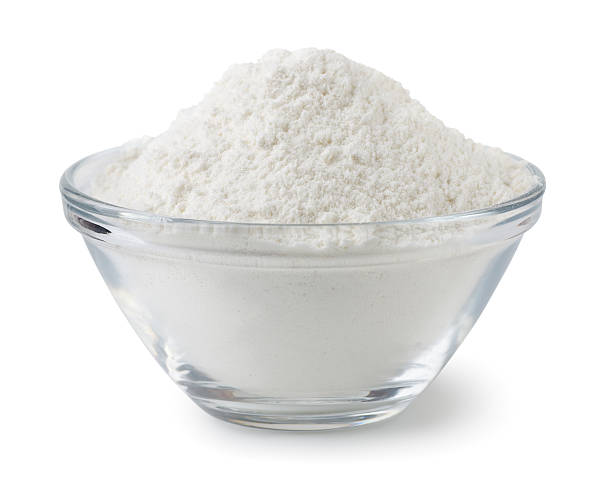
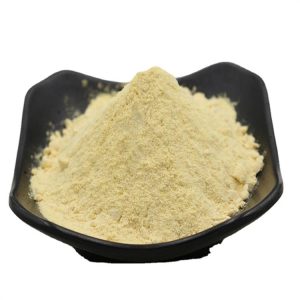
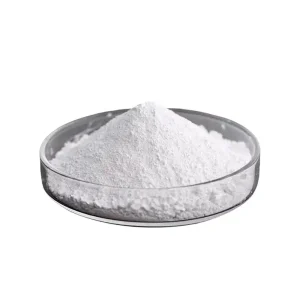
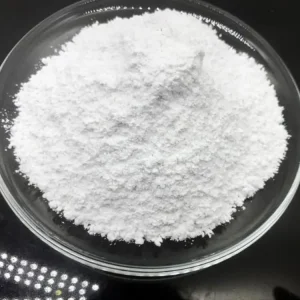
Buyers sourcing NADH powder or NADH raw material for such formulations must therefore prioritize suppliers who can verify the actual oxidation state and purity of their material through rigorous analytical testing, including HPLC and UV spectrophotometry.
From Biochemistry to Bulk Ingredient: How NADH Is Produced Commercially
In a living organism, NADH is generated enzymatically through the metabolic processes described above. Commercial production of NADH raw material, however, requires controlled biomanufacturing or chemical synthesis approaches.
Leading NADH manufacturers employ biosynthetic fermentation routes or enzymatic synthesis to produce NADH at scale. These methods allow for:
- Precise control over the reduced form (NADH vs. NAD+)
- High-purity yields with minimal oxidation byproducts
- Scalable batch production suitable for NADH bulk and NADH wholesale supply
One of the primary technical challenges in NADH manufacturing is maintaining the reduced state of the molecule throughout production, drying, and packaging. NADH is inherently less stable than NAD+ due to its electron-rich structure. Reputable NADH manufacturers address this through inert-atmosphere processing, low-temperature spray drying, and moisture-controlled packaging — all of which directly affect the shelf life and bioavailability of the final NADH powder.
What B2B Buyers Should Evaluate When Sourcing NADH Raw Material
For procurement managers, R&D teams, and brand owners evaluating NADH wholesale suppliers, the science of NAD+/NADH conversion translates into several concrete sourcing criteria:
Purity and Assay Verification NADH powder should be verified at ≥98% purity, with specific confirmation that the material is in the reduced (NADH) form, not partially oxidized to NAD+. Request HPLC-based certificates of analysis, not just UV-based assay data alone.
Stability Data Ask for accelerated stability studies showing the degradation profile of the NADH raw material under various temperature and humidity conditions. Stability directly correlates to product efficacy in the finished formulation.
Manufacturing Certifications A credible NADH manufacturer should hold internationally recognized certifications such as ISO 9001, ISO 22000, GMP, and ideally NSF or Halal/Kosher where your target markets require them. Third-party testing from accredited labs further strengthens supplier credibility.
Regulatory Documentation Buyers sourcing for EU, US, or Asia-Pacific markets should confirm that the NADH raw material supplier can provide full regulatory documentation, including country-of-origin certificates, residual solvent analysis, and heavy metals testing.
Supply Consistency and Lead Times NADH bulk procurement requires supply chain reliability. Evaluate whether the NADH manufacturer has integrated supply infrastructure, buffer inventory capacity, and a track record of on-time international delivery.
OEM/ODM Flexibility For brands requiring custom specifications — particle size, granulation, blending with excipients — assess whether the supplier offers OEM/ODM services to support your formulation pipeline.
NADH vs. NAD+ vs. NMN: Positioning Clarity for Formulators
A common question from buyers entering this ingredient category is how NADH relates to other popular coenzyme precursors such as NMN (nicotinamide mononucleotide) and NAD+ itself.
NMN serves as a biosynthetic precursor to NAD+, which the body can then reduce to NADH through metabolic activity. Supplementing with NADH directly bypasses this biosynthetic pathway and delivers the reduced coenzyme form immediately.
NAD+ supplements, meanwhile, must be reduced by the body to become NADH. The efficiency of this process varies with individual metabolic capacity, age, and health status.
For formulators, each form occupies a distinct position. NADH powder is particularly relevant for applications targeting immediate cellular energy support, fatigue reduction, and cognitive performance, where the reduced form’s direct electron-donating capacity is the mechanism of interest. Buyers should select the form that aligns with their product’s intended mechanism and target consumer profile.
Summary
The conversion of NAD+ to NADH is one of the most fundamental reactions in cellular energy metabolism — a well-characterized process with significant implications for nutraceutical and pharmaceutical ingredient science. For B2B buyers, understanding this chemistry is not a theoretical exercise. It defines why NADH purity, oxidation state verification, manufacturing conditions, and supplier capabilities matter so concretely when sourcing NADH powder, NADH raw material, or NADH bulk quantities.
Selecting a qualified NADH manufacturer with robust QC systems, documented stability data, and full regulatory compliance is the most direct way to ensure that the biological value of NADH is preserved from production through to the finished product on the shelf.
Frequently Asked Questions (FAQ)
Q1: What is the main difference between NAD+ and NADH? NAD+ is the oxidized form of the coenzyme, while NADH is the reduced form. NADH carries an additional hydride ion (two electrons and one proton), making it the electron-rich, energy-carrying molecule used in mitochondrial ATP production.
Q2: Is NADH more stable than NAD+ as a raw material? No — NADH is generally less stable than NAD+ due to its electron-rich structure. This makes manufacturing conditions, storage protocols, and packaging specifications especially important when evaluating NADH raw material suppliers.
Q3: What purity level should B2B buyers expect from NADH powder? Pharmaceutical and nutraceutical-grade NADH powder is typically specified at ≥98% purity. Buyers should request HPLC-confirmed certificates of analysis and confirm that the assay specifically quantifies the NADH (reduced) form.
Q4: Can NADH be sourced in bulk for large-scale production? Yes. Established NADH manufacturers supply NADH bulk quantities for commercial-scale formulation. Buyers should assess supplier inventory capacity, lead times, and batch-to-batch consistency before committing to large orders.
Q5: What certifications should a reliable NADH manufacturer hold? At minimum, look for ISO 9001 (quality management), ISO 22000 (food safety), and GMP certification. Depending on your target market, NSF, Halal, Kosher, or other regional certifications may also be required.
Q6: How does NADH differ from NMN as a supplement ingredient? NMN is a biosynthetic precursor that the body converts to NAD+, which is then reduced to NADH. NADH delivers the reduced coenzyme directly, bypassing the biosynthetic steps. The choice between them depends on the intended formulation mechanism and target application.
Q7: What documentation should I request when sourcing NADH wholesale? Request certificates of analysis (HPLC-based), stability data, heavy metals testing, residual solvent analysis, country-of-origin documentation, and copies of applicable manufacturing certifications.
About GOTHINK Biotech
GOTHINK Biotech is a professional manufacturer and global supplier of functional raw materials headquartered in China, serving B2B partners across nutraceutical, dietary supplement, and pharmaceutical sectors worldwide.
Our product portfolio spans multiple high-demand categories, including Coenzymes (NADH, NAD+, NMN, NMNH, NADP, Coenzyme Q10, Folic Acid), Human Milk Oligosaccharides (2′-FL, 3-FL, LNT, LNnT), Glucosamine series (Glucosamine, Glucosamine Hydrochloride, N-Acetyl-Glucosamine, Glucosamine Sulfate), and Saccharide Derivatives (Sialic Acid, N-Acetylneuraminic Acid, Reb D, Reb M, Rh2/Rg3).
GOTHINK holds comprehensive quality certifications including ISO 9001, ISO 22000, GMP, SGS, NSF, CQC, Halal, and Kosher, supported by full third-party testing and traceability documentation. Our scientific leadership team, trained at leading institutions in the US and UK, drives an R&D pipeline producing over 2,000 customized formulations annually.
We offer OEM/ODM manufacturing services, reliable bulk supply with short lead times, and dedicated technical support for partners at every stage of product development. For sourcing inquiries, specification sheets, or sample requests, we welcome direct contact from qualified B2B buyers and brand partners.