
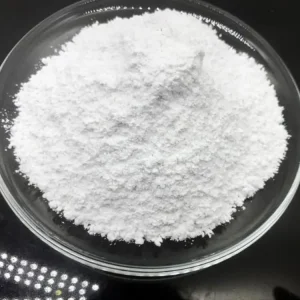
As the global demand for natural sweeteners continues to rise, more food, beverage, and nutrition brands are turning to Stevia rebaudiana and its highly refined derivatives. Yet many buyers still ask the same question: What is the real relationship between Stevia rebaudiana, Steviol Glycosides, Reb M, and Reb D?
The answer becomes clear once we understand the full transformation—from plant to high‑purity sweetener.
1. Stevia rebaudiana: The Natural Plant Source
Stevia rebaudiana is a leafy plant native to South America. Its leaves naturally contain sweet compounds, but the plant itself cannot be used directly as a commercial sweetener.
Why? Because the sweetness is locked inside specific molecules that must be extracted and purified before they can be used in food and beverage applications.
Stevia rebaudiana is the origin, not the final ingredient.
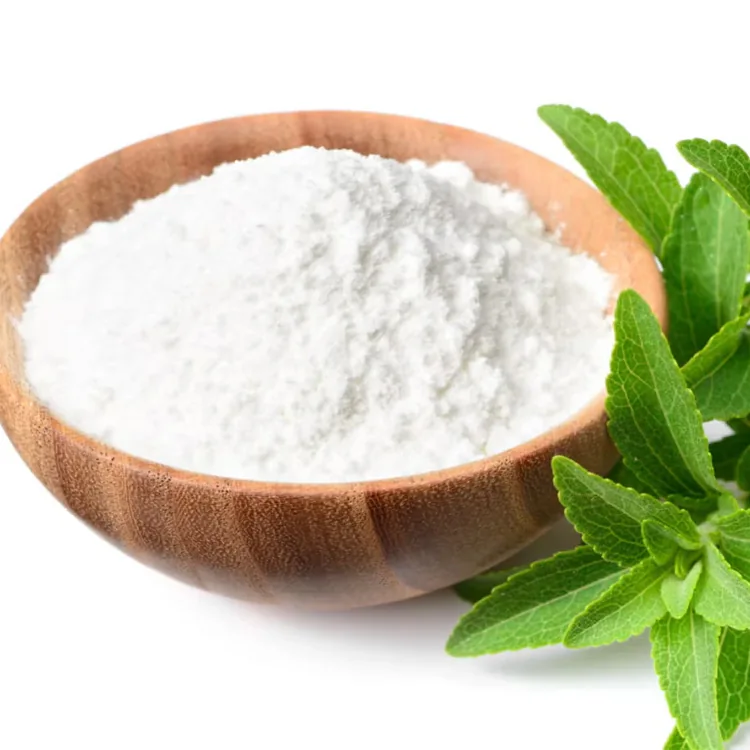
2. Extraction and Purification: From Leaves to Stevia Extract
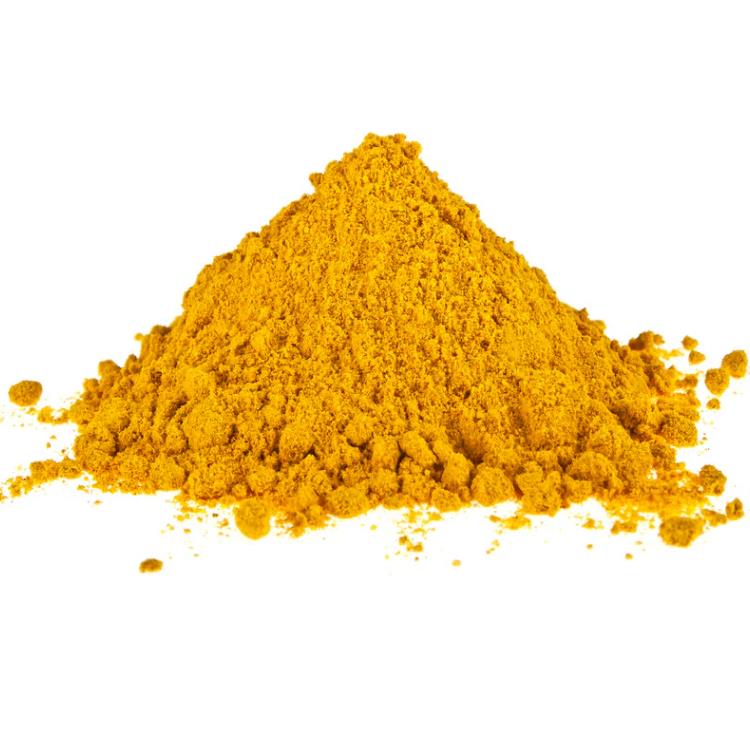
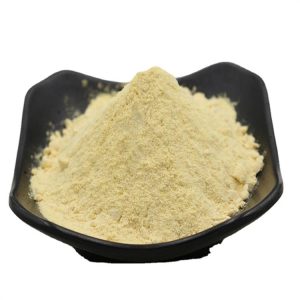
The first step is to extract the sweet components from the leaves, producing Stevia Extract. This extract typically contains 50%–90% Steviol Glycosides, but still carries some bitterness and plant notes.
This stage bridges the gap between raw plant material and food‑grade sweeteners.
3. Steviol Glycosides: The True Sweetener Category
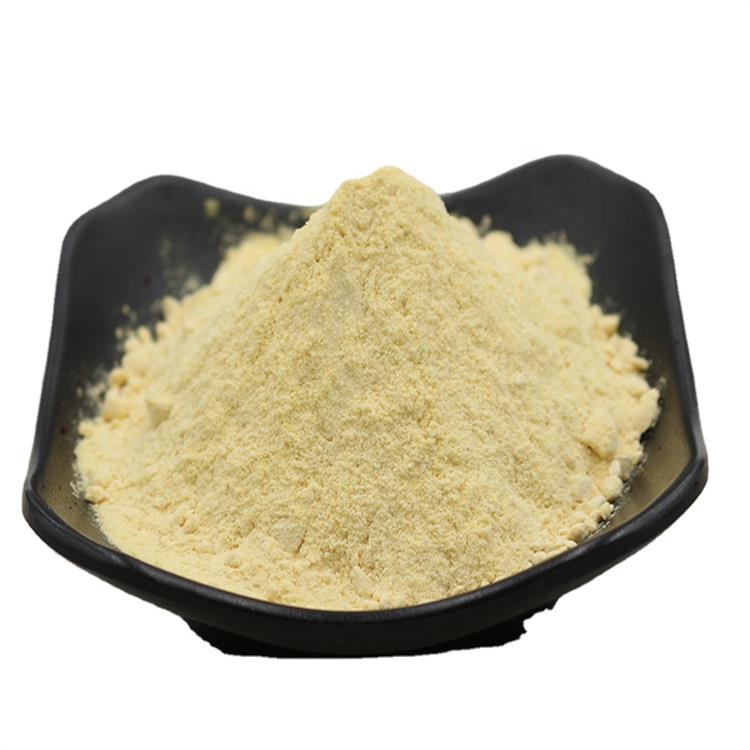
Further purification yields Steviol Glycosides—the official sweetener category recognized by JECFA, EFSA, FDA, and global regulatory bodies.
Steviol Glycosides are a family of natural sweet compounds derived from Stevia rebaudiana. They share the same molecular backbone, steviol, but differ in the number and position of glucose units.
Common Steviol Glycosides include:
- Stevioside
- Rebaudioside A (Reb A)
- Rebaudioside D (Reb D)
- Rebaudioside M (Reb M)
- Dulcoside A …and more.
This is the category that food and beverage manufacturers actually use.
4. Reb M & Reb D: The Next‑Generation High‑Purity Sweeteners
Among all Steviol Glycosides, Reb M and Reb D stand out as the most desirable for modern product development.
Why?
- Clean, sugar‑like sweetness
- No bitterness
- Excellent solubility
- High sweetness intensity
- Ideal for beverages, gummies, functional foods, and sugar‑free formulations
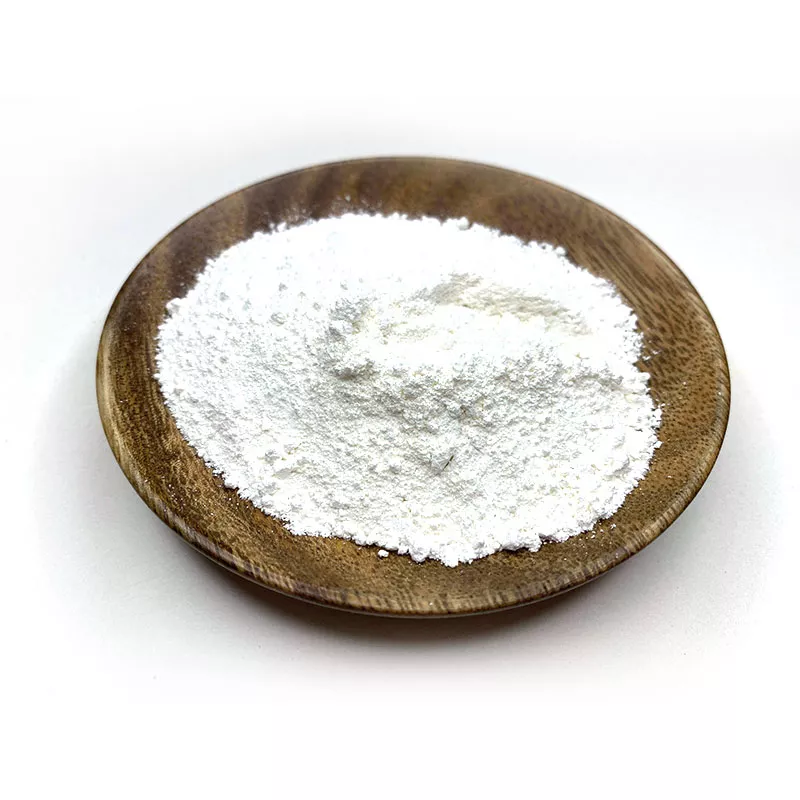
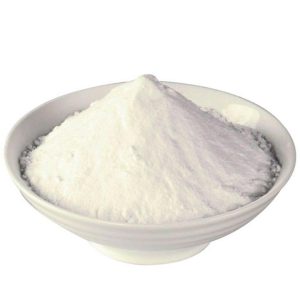
Today, Reb M powder and Reb D powder are considered premium sweetener ingredients, widely used by global brands seeking a natural, zero‑calorie sugar alternative.
These high‑purity ingredients are produced through advanced extraction and enzymatic conversion technologies, ensuring consistent quality and taste.
Putting It All Together: The Full Relationship
Here is the complete chain in one simple line:
Stevia rebaudiana (plant) → Stevia Extract → Steviol Glycosides → High‑Purity Reb M / Reb D Powder
This is the transformation that turns a natural leaf into a world‑class sweetener ingredient.
For Manufacturers: What You Actually Buy
When sourcing sweeteners, you are not buying the plant. You are buying Steviol Glycosides—specifically high‑purity forms such as:
- Reb M Powder (Rebaudioside M)
- Reb D Powder (Rebaudioside D)
- Reb A Powder
- Stevioside Powder
- SG95 / SG97 / SG98 blends
These are ready‑to‑use sweetener ingredients suitable for direct application in food, beverage, nutraceutical, and confectionery formulations.
Final Takeaway
Stevia rebaudiana is the plant. Steviol Glycosides are the sweet compounds extracted from it. Reb M and Reb D are the cleanest, highest‑purity sweeteners in this family.
Understanding this hierarchy helps buyers choose the right ingredient—and ensures your finished products deliver the clean, natural sweetness consumers expect.