
Unpredictable weather patterns have become a significant challenge for skin health worldwide. Fluctuations in temperature, humidity, prolonged pollution exposure, and inconsistent UV levels create ongoing stress that weakens the skin barrier, leading to dehydration, inflammation, sensitivity, uneven tone, and accelerated signs of aging. These environmental shifts disrupt the skin’s natural repair processes, making resilience harder to maintain.
Research highlights that NAD+ (Nicotinamide Adenine Dinucleotide), a vital coenzyme present in every cell, supports cellular energy production, DNA repair, and regeneration. As environmental stressors intensify and with natural age-related decline, NAD+ levels in the skin decrease, impairing recovery from daily damage and reducing overall barrier function.
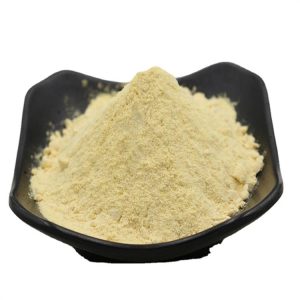
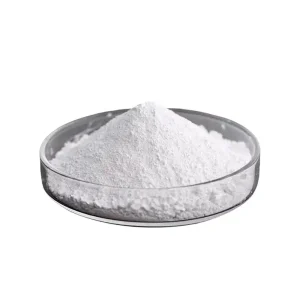
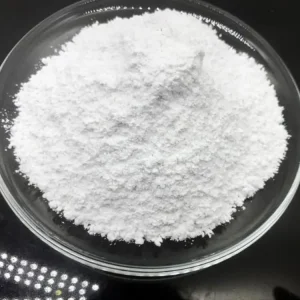
For businesses formulating skincare or wellness products, high-quality NAD raw material offers a science-backed option to develop solutions that help address these modern challenges.

Understanding the Impact of Unpredictable Weather on Skin
Changing climate conditions mean skin no longer faces predictable seasonal shifts. Sudden temperature spikes dry out the surface, while humidity swings can lead to excess oil production or dehydration. Persistent air pollution adds oxidative stress, and year-round UV exposure—even on cloudy days—damages DNA and triggers inflammation. These factors compromise the skin barrier, increasing transepidermal water loss and making skin more reactive. Studies show such variability accelerates visible aging by disrupting cellular homeostasis and repair mechanisms.
The Role of NAD+ in Cellular Skin Health
NAD+ functions as a coenzyme essential for redox reactions, powering ATP production and activating enzymes like sirtuins and PARPs. These processes aid DNA repair, reduce oxidative stress, control inflammation, and promote healthy cell turnover. When NAD+ levels are optimal, skin cells recover more efficiently from environmental insults, maintaining elasticity, hydration, and barrier integrity. Scientific evidence, including studies on UV-induced damage, demonstrates that supporting NAD+ pathways helps mitigate oxidative stress, inflammation, and apoptosis in skin cells exposed to stressors.
How Declining NAD+ Levels Exacerbate Environmental Stress
With age and cumulative exposure to fluctuating conditions, NAD+ naturally declines—often significantly by mid-life. This reduction slows energy metabolism, weakens DNA repair, and diminishes antioxidant defenses, leaving skin vulnerable to dehydration, fine lines, and uneven texture. Environmental variability amplifies this decline, as cells expend more NAD+ to combat repeated stress. Restoring or supporting NAD+ availability at the cellular level can enhance resilience, allowing better adaptation to unpredictable weather.
Practical Applications for Product Development
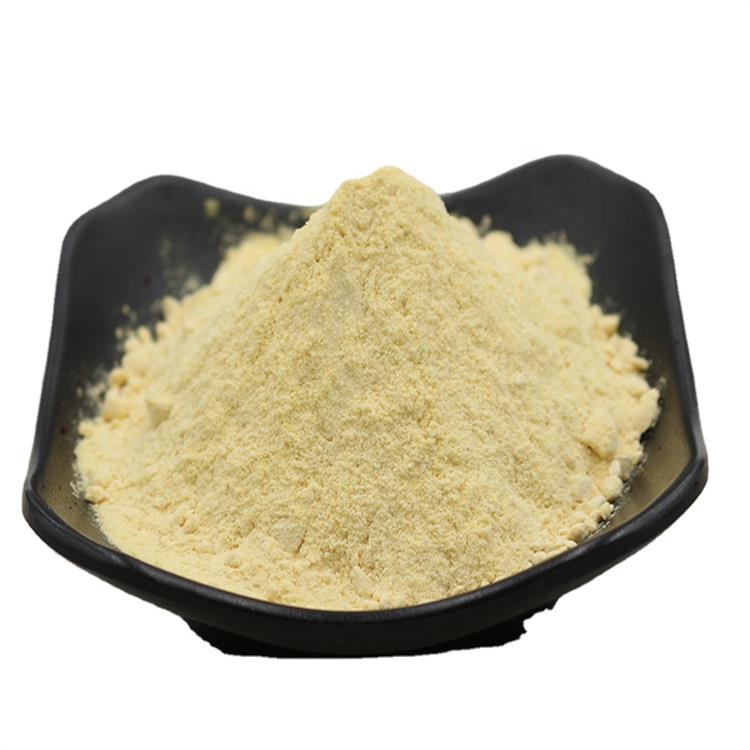
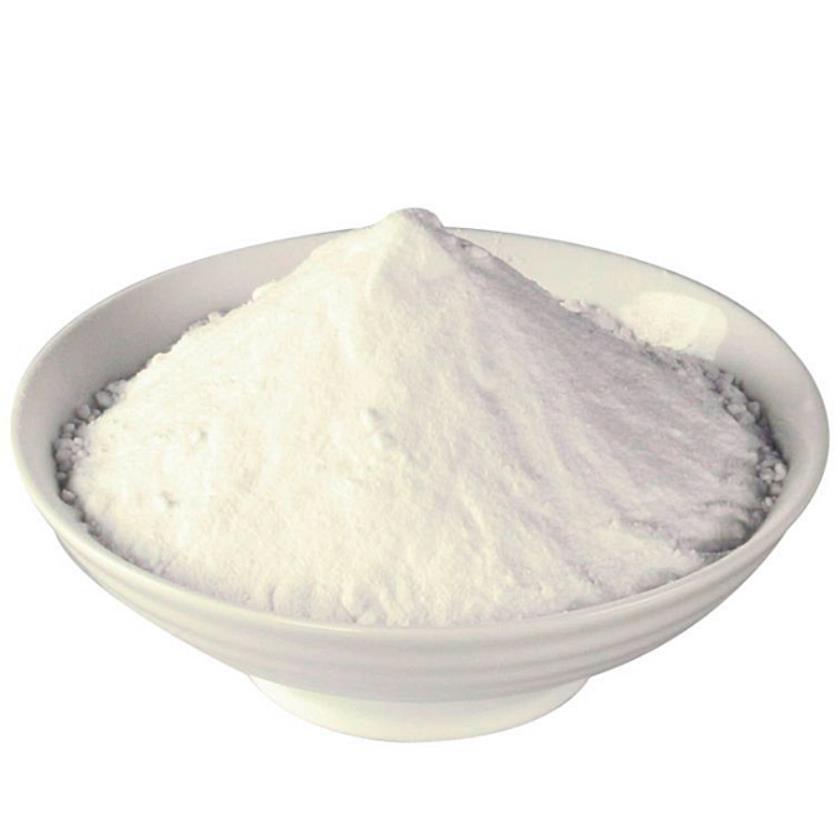
For manufacturers and formulators, incorporating premium NAD powder or NAD raw material into supplements or topical formulations provides a targeted approach. NAD supplements in oral form support systemic NAD+ levels, benefiting overall cellular health including skin. In skincare, stable NAD+ derivatives or precursors can be explored for direct application to strengthen barrier function and repair. Quality sourcing ensures purity and bioavailability, critical for effective end products. Combining with established ingredients like antioxidants or moisturizers can create comprehensive solutions that address real-world skin challenges.
Summary
Unpredictable weather adds persistent stress to skin, accelerating barrier compromise and aging through oxidative and inflammatory pathways. NAD+, as a foundational coenzyme, plays a key role in countering these effects by bolstering cellular repair, energy, and resilience. Businesses seeking to innovate in skincare or wellness can leverage high-quality NAD raw material to develop reliable products that offer meaningful support in today’s variable climate. Prioritizing evidence-based formulations helps deliver value to end-users facing these evolving environmental demands.
FAQ
What makes unpredictable weather particularly harmful to skin? Sudden changes in temperature, humidity, and pollution levels disrupt the skin barrier, increase water loss, trigger inflammation, and heighten oxidative damage, often leading to faster visible aging than stable conditions.
How does NAD+ help protect skin from environmental stress? NAD+ supports energy production, DNA repair, and anti-inflammatory pathways in cells. By maintaining higher levels, it enhances the skin’s ability to recover from stressors like UV, pollution, and weather fluctuations.
Is NAD+ decline only an age-related issue? No—while levels naturally decrease with age, environmental stressors such as pollution and climate variability accelerate the drop, affecting skin resilience even in younger individuals.
What forms of NAD are commonly used in products? NAD powder and NAD raw material serve as high-purity sources for supplements (NAD supplements) or formulation into topicals, often as stable precursors for better bioavailability.
How can manufacturers ensure quality when sourcing NAD? Select suppliers with rigorous testing for purity, stability, and potency. Reputable NAD manufacturers provide documentation and adhere to industry standards to support consistent product performance.
As a dedicated NAD Manufacturer, we specialize in premium NAD powder and NAD raw material produced under strict quality controls. Our commitment to purity and reliability helps partners create effective, science-aligned formulations. Contact us to discuss sourcing options for your next product line.