
Abstract
NADH, or reduced nicotinamide adenine dinucleotide, is a coenzyme central to cellular energy production, and interest in NADH supplements has grown due to their potential role in supporting fatigue reduction, cognitive function, and overall vitality. This article explores the question “does NADH work?” through scientific evidence from clinical trials, while addressing practical considerations for dietary supplement businesses. High-purity NADH powder serves as a versatile raw material for formulations like capsules and tablets. Drawing on peer-reviewed studies and industry standards, this guide offers reliable insights for manufacturers, wholesalers, and brands sourcing bulk NADH to develop effective products that meet consumer demand for evidence-based nutrition.
What Is NADH and How Does It Function in the Body?
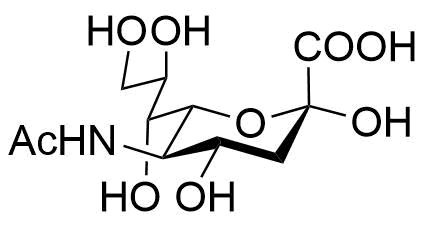
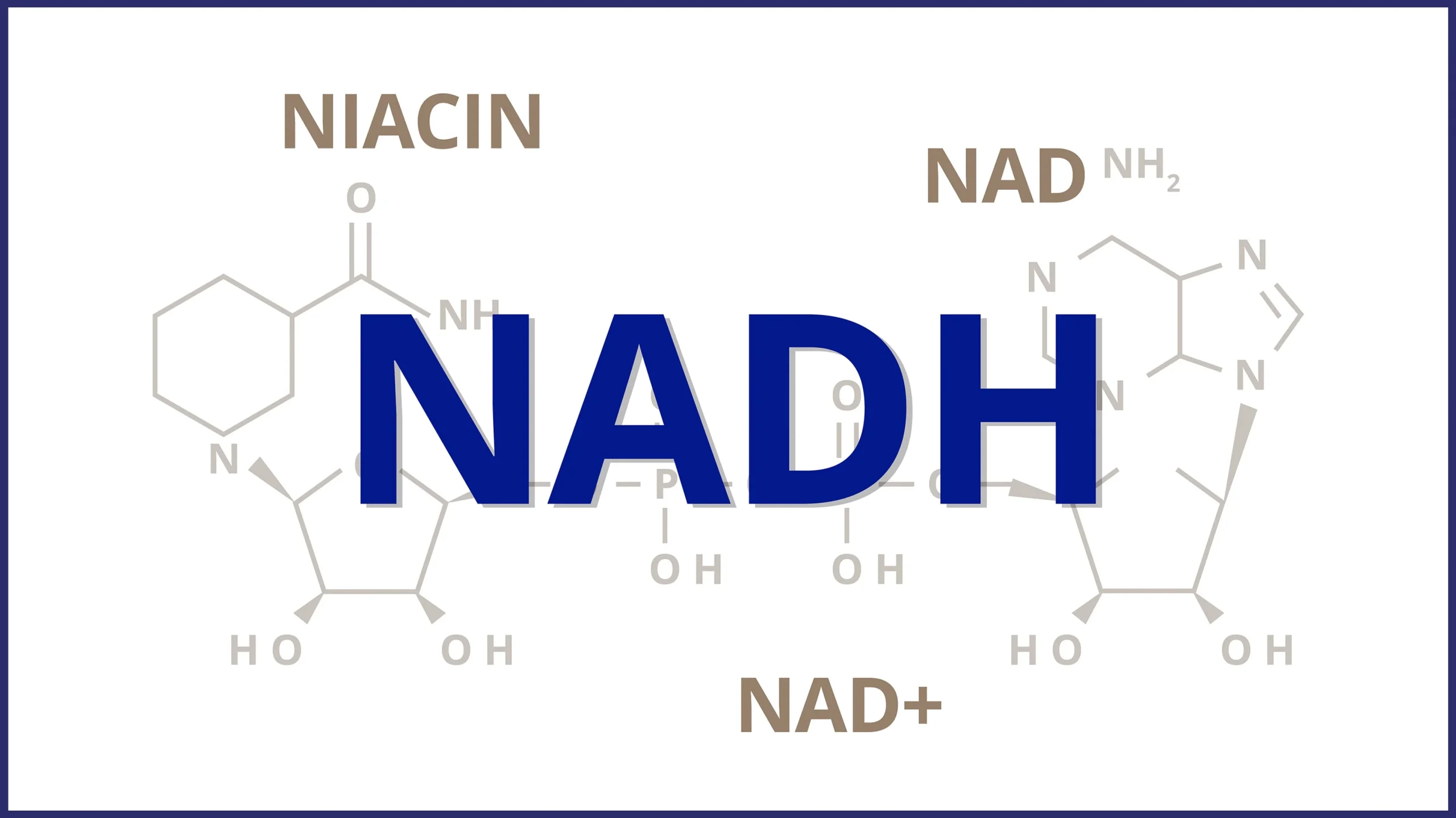
NADH is the reduced form of NAD+, a vital coenzyme found in every cell that facilitates over 500 enzymatic reactions, primarily in the mitochondria where it helps convert nutrients into ATP, the body’s energy currency. As levels of NAD+ and NADH naturally decline with age—potentially by up to 50% by middle age—this coenzyme has become a focus for anti-aging and energy-support supplements.
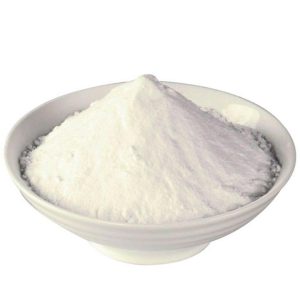
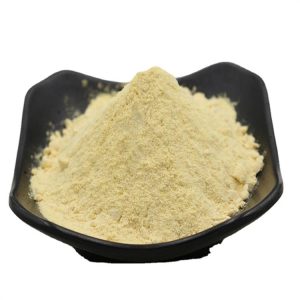
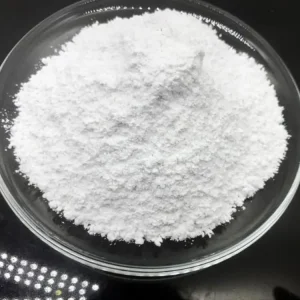
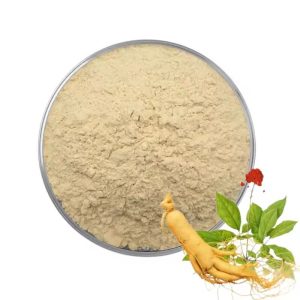
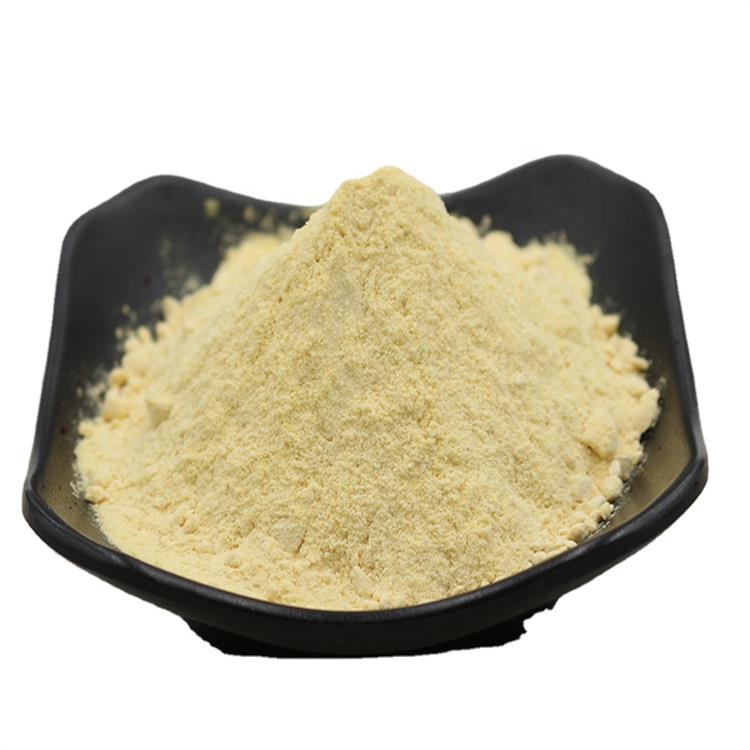
In its pure form, NADH powder is a light yellow, water-soluble raw material prized for stability when properly stabilized against oxidation, light, and moisture. Unlike precursors like NMN or NR, direct NADH supplementation aims to rapidly boost the NAD+/NADH ratio, supporting energy metabolism, neurotransmitter synthesis (e.g., dopamine), and antioxidant defenses. Clinical reviews, such as a 2024 systematic analysis in Nutrients, note that oral NADH is bioavailable when microencapsulated, making NADH powder an ideal bulk raw material for supplement manufacturers crafting precise, high-potency products.
The Science: Does NADH Work? Evidence from Clinical Trials
Addressing “does NADH work?” requires examining randomized controlled trials (RCTs). A pivotal 2015 RCT published in Antioxidants & Redox Signaling involving 73 chronic fatigue syndrome (CFS) patients found that 20 mg/day NADH combined with CoQ10 significantly improved fatigue scores, ATP levels, and mitochondrial function (p<0.05), with reduced oxidative stress markers like lipoperoxides. A follow-up 2021 RCT in Nutrients (242 ME/CFS patients) confirmed these benefits, showing enhanced health-related quality of life (HRQoL) and sleep efficiency after 12 weeks of CoQ10 plus NADH.
Smaller pilots, like a 1999 double-blind crossover study in Annals of Allergy, Asthma & Immunology (26 CFS patients), reported 31% of NADH users (10 mg/day) experienced symptom relief versus 8% on placebo. A 2023 PubMed systematic review of 10 RCTs (489 participants) highlighted improvements in anxiety, heart rate post-stress, insulin sensitivity, and inflammatory cytokines with NADH doses of 10-50 mg/day, deeming it safe with low side effects. However, results for Parkinson’s and Alzheimer’s are mixed, with some trials showing cognitive trends but needing larger cohorts. Overall, evidence supports NADH efficacy for energy and fatigue in targeted populations, positioning NADH raw material as a valuable asset for supplement formulations.
Benefits of NADH Supplements: Energy, Fatigue, and Beyond
Promising applications include CFS/ME, where RCTs demonstrate NADH’s role in restoring NAD+/NADH ratios and mitochondrial bioenergetics. Benefits extend to athletic performance, with animal studies and preliminary human data suggesting reduced fatigue and improved endurance via ATP regeneration. Cognitive support arises from NADH’s involvement in dopamine production, with user reports and small trials noting mental clarity.
For supplement businesses, NADH powder offers formulation flexibility—doses of 10-20 mg/day align with trial protocols. Bulk NADH raw material, often ≥98% pure (CAS 606-68-8), enables private label products like stabilized capsules resistant to gastric acid degradation. A 2024 review emphasized NADH’s low incidence of side effects (e.g., mild insomnia at high doses), enhancing its appeal for wellness brands targeting aging demographics.
NADH Powder vs. Other Forms: Stability, Sourcing, and Manufacturing Insights
NADH’s instability in native form—degrading via oxidation—necessitates stabilized NADH powder for commercial use. Patented microencapsulation (e.g., with chlorophyll or beeswax) preserves ≥95% potency, outperforming unstabilized capsules prone to 50% loss in storage. Powder form excels for bulk wholesale, allowing custom blends into tablets, effervescents, or sublinguals with superior sublingual absorption (up to 30% higher bioavailability per some pharmacokinetic data).
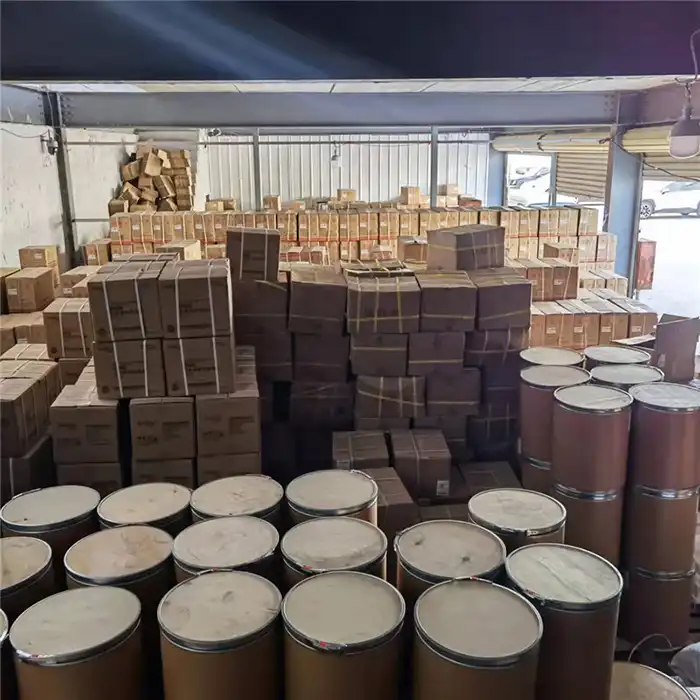
As a raw material, NADH powder from GMP-certified sources ensures compliance with USP/NSF standards, critical for FDA-regulated supplements. Manufacturers report scalability for 1kg-25kg drums, with third-party testing verifying purity free of contaminants. For wholesalers, bulk NADH powder reduces costs (versus finished capsules) while enabling differentiation in energy or nootropic lines.
Sourcing Reliable NADH Raw Material: Key Considerations for Businesses
Supplement brands must prioritize NADH powder from verified manufacturers offering COAs, HPLC purity assays (≥98%), and microbial testing. Look for suppliers compliant with cGMP, Kosher/Halal, and ISO 22000, as seen in offerings from facilities exporting to the US/EU. Bulk wholesale pricing favors MOQs of 1-5kg, with stabilized variants ensuring 2-year shelf life.
Practical value: Integrate 10-20 mg NADH per serving into formulas with CoQ10 for synergistic CFS support, per RCTs. Conduct stability studies during R&D to validate encapsulation efficacy. Regulatory savvy—label as “dietary supplement NADH”—positions products for high-search-volume markets like “NADH for energy.”
Article Summary
Does NADH work? Clinical evidence from RCTs affirms yes for fatigue reduction, mitochondrial support, and HRQoL improvements, particularly in CFS/ME, with safe oral dosing of 10-50 mg/day. NADH powder stands out as a stable, high-purity raw material for manufacturers crafting innovative supplements. By sourcing bulk wholesale NADH from GMP sources, businesses can deliver science-backed products that address consumer needs for energy and vitality, fostering trust and repeat sales in a competitive market.
As a leading NADH powder manufacturer, we specialize in high-purity (≥98%), stabilized bulk raw material for wholesale and private label dietary supplements, ensuring compliance, potency, and scalability for your formulations.
FAQ
Q: Does NADH work for chronic fatigue syndrome based on evidence? A: Yes—RCTs like Castro-Marrero et al. (2015, 2021) show 20 mg/day NADH (with CoQ10) reduces fatigue perception, improves ATP, and enhances sleep/HRQoL (p<0.05), outperforming placebo.
Q: Is NADH powder stable enough for supplement manufacturing? A: Stabilized NADH powder (microencapsulated) maintains ≥95% potency against oxidation/acid, ideal for bulk raw material in capsules or tablets, per industry standards from GMP manufacturers.
Q: What dosage of NADH is supported by clinical trials? A: 10-20 mg/day oral stabilized NADH, as in CFS pilots (31% response rate) and systematic reviews showing safety/efficacy for energy and anxiety reduction.
Q: Are there side effects with NADH supplements? A: Rare and mild (e.g., insomnia at >50 mg); trials across 489+ participants confirm low incidence, making it suitable for bulk wholesale formulations.
Q: How to source bulk NADH raw material as a wholesaler? A: Select GMP-certified manufacturers offering ≥98% pure NADH powder with COAs, third-party testing, and flexible MOQs (1-25kg drums) for cost-effective private label production.