
For dietary supplement brands, pharmaceutical manufacturers and ingredient distributors globally, glucosamine is one of the most in-demand joint health ingredients on the market. One of the most frequently asked technical questions from B2B purchasers and formulation teams is does glucosamine raise blood sugar, a concern that impacts product development, regulatory compliance and end-market positioning. This guide breaks down the current scientific consensus, manufacturing standards and implications for B2B businesses, providing clear, evidence-based information to support your purchasing and product planning decisions.
Current Scientific Consensus on Does Glucosamine Raise Blood Sugar
To address the question of does glucosamine raise blood sugar, we rely on peer-reviewed clinical research and regulatory body assessments. Early small-scale studies in the 1990s observed minor alterations in insulin response in some test subjects, leading to persistent concerns about potential blood sugar impacts.
However, large-scale, long-term clinical trials conducted over the past two decades have consistently found that for most populations, typical supplemental doses of glucosamine do not cause clinically significant increases in fasting blood sugar or HbA1c levels. Multiple global diabetes and nutrition associations, including the American Diabetes Association, have confirmed that glucosamine does not meaningfully affect blood glucose control in the vast majority of users, including those with type 2 diabetes.
Some rare individual variations in insulin sensitivity have been documented, but this is not a general effect of the ingredient itself. For B2B brands, this means the historical concern does not require formulation overhauls or major labeling adjustments for most markets.
How Purity and Manufacturing Quality Impact Glucosamine Properties
The purity and production standards of your glucosamine supply are far more impactful to product performance than any hypothetical blood sugar effect. Low-quality ingredients may contain residual impurities from poorly controlled extraction or fermentation processes, which can introduce unintended effects that are incorrectly attributed to glucosamine itself.
Working with a reputable glucosamine Manufacturer that adheres to strict cGMP quality control standards ensures you receive a consistent, pure ingredient that matches the profile studied in clinical trials. This consistency eliminates unexpected variations in formulation that could lead to unintended customer concerns.
Key Benefits of Glucosamine for B2B Product Lines
Glucosamine remains a top-selling joint health ingredient globally, with steady demand across retail, e-commerce and clinical supplement channels. For B2B businesses, sourcing high-quality glucosamine offers multiple advantages:
- Established market demand that reduces go-to-market risk for new product lines
- Compatibility with a wide range of formulation formats, from capsules to powders to liquid supplements
- Extensive existing research that supports regulatory submissions and marketing claims in most regions
- Flexible ordering options for businesses of all sizes, from glucosamine wholesale for small brands to glucosamine bulk for large-scale production
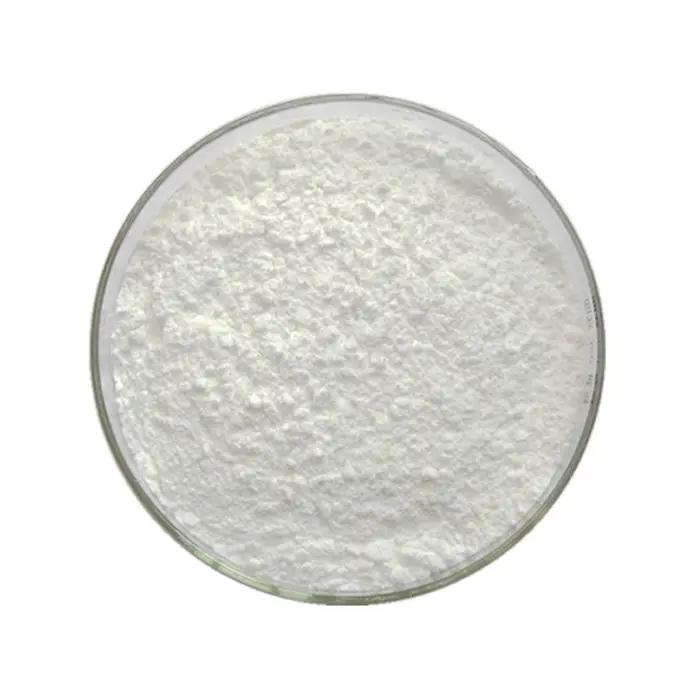
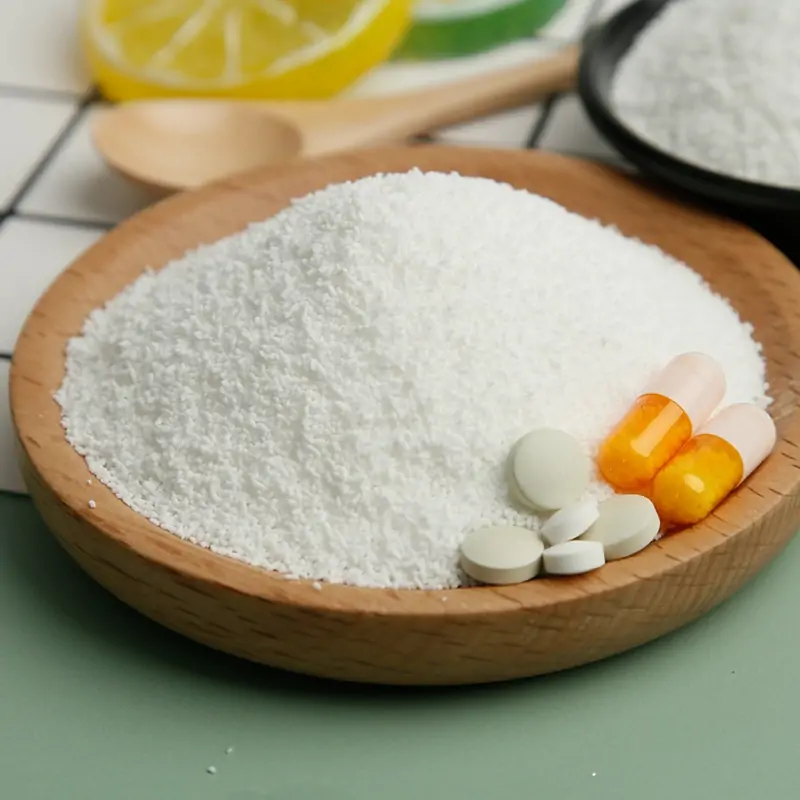
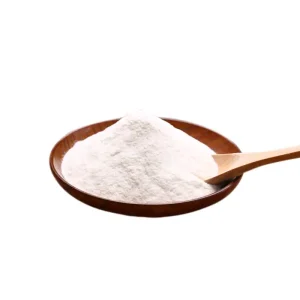
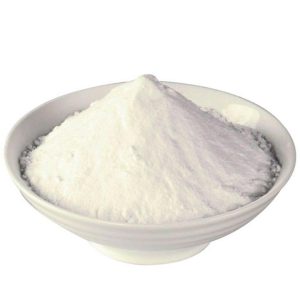
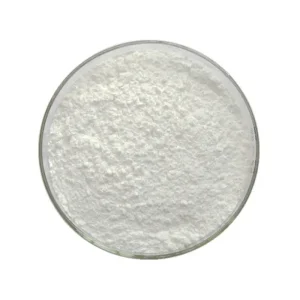
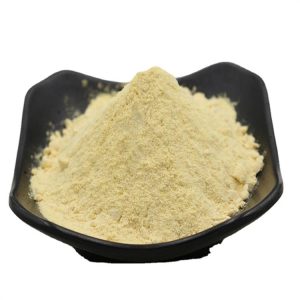
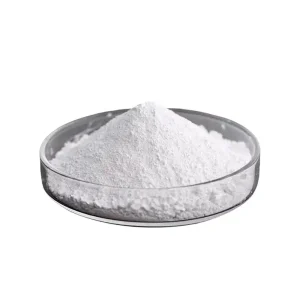
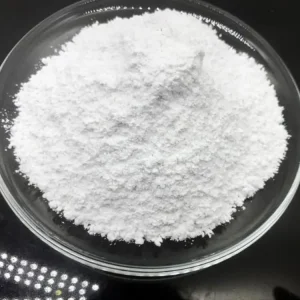
For brands looking to add or expand joint health offerings, pure glucosamine raw material provides a reliable, high-margin base for both branded and white-label products. glucosamine powder in particular is a popular option for pre-mixed blends and custom formulation projects, offering easy handling and consistent bioavailability.
Considerations for B2B Purchasers and Formulators
While the consensus confirms that does glucosamine raise blood sugar is not a widespread concern, there are a few best practices B2B brands can implement to address customer transparency:
- Source only third-party tested glucosamine to confirm purity and potency, and share test reports with regulators and retail partners as needed
- Include clear, accurate labeling that notes the current scientific consensus for consumers with pre-existing blood sugar conditions, aligning with regional regulatory requirements
- Work with your supplier to confirm the exact specification of your glucosamine (e.g. glucosamine sulfate vs glucosamine hydrochloride) to align with your formulation and claim needs
These simple steps align with regulatory expectations and build trust with your downstream customers, without requiring major changes to your product development process.
Article Summary
The question of does glucosamine raise blood sugar has been extensively studied in clinical research, with the broad consensus confirming that typical supplemental doses of pure glucosamine do not cause clinically significant increases in blood sugar for most users. For B2B purchasers, the key to reliable glucosamine products is working with an established, certified glucosamine Manufacturer that can provide consistent, third-party tested glucosamine raw material to meet your formulation needs. Whether you require small-batch glucosamine wholesale or large-volume glucosamine bulk orders, or need glucosamine powder for custom formulations, a reputable supplier can support your business with consistent quality and reliable delivery.
Frequently Asked Questions
Q: Is there any population that needs to avoid glucosamine due to blood sugar concerns?
A: A small number of individuals may experience idiosyncratic changes in blood sugar response, but this is extremely rare. Most regulatory bodies advise that individuals with diabetes can use glucosamine with routine monitoring of their blood sugar levels, as they would with any new supplement. B2B brands can align their labeling guidance with local regulatory recommendations to maintain compliance.
Q: Does the type of glucosamine affect blood sugar response?
A: Current research has not found a significant difference in blood sugar effects between glucosamine sulfate and glucosamine hydrochloride, the two most common forms sold commercially. Both forms have been studied extensively and show no clinically significant impact on blood sugar when used at typical doses.
Q: Can I get custom formulation support for glucosamine-based products from my supplier?
A: Most experienced glucosamine manufacturers offer OEM/ODM support for custom formulations, whether you are developing a standalone glucosamine product or a blended joint health supplement. Be sure to discuss your specific dosage, format and certification requirements with your supplier before placing a bulk order.
Q: What is the minimum order quantity for glucosamine bulk purchases?
A: Minimum order quantities vary by supplier. Reputable manufacturers typically offer flexible MOQs to accommodate businesses of all sizes, from startup brands ordering glucosamine wholesale to large multinational manufacturers purchasing full container loads of glucosamine raw material.
About Our Company
We are a leading Chinese supplier of functional ingredients, specializing in high-quality dietary supplement raw materials for global B2B clients including distributors, brand owners and pharmaceutical manufacturers. Our production facilities adhere to international cGMP quality standards, with full third-party testing and certification for all products to meet global regulatory requirements. We offer flexible ordering options from small wholesale batches to full bulk production, with reliable lead times and responsive technical support to help you bring high-quality supplement products to market. Contact our team today to discuss your glucosamine sourcing requirements and request a free sample for formulation testing.
If you are looking for a reliable partner for glucosamine raw material sourcing, bulk ordering or custom OEM/ODM services, our team is ready to support your business. Reach out to us today to get a quote and discuss your specific formulation needs.