
Summary
As dietary supplement demand continues to rise globally, more and more brands are evaluating whether to add Coenzyme Q10 (CoQ10) products to their portfolios, but a core question remains top of mind: does coenzyme q10 really work? This guide draws on peer-reviewed clinical research, industry regulatory data, and 12+ years of raw material manufacturing experience to break down CoQ10’s evidence-backed efficacy, common application scenarios, and key considerations for sourcing high-quality inputs. We will also cover critical supply chain factors for coenzyme q10 raw materials, dosage guidelines, and quality control standards to help B2B buyers make informed, low-risk procurement decisions that align with both consumer needs and regulatory requirements.
What Is Coenzyme Q10, and How Does It Work in the Human Body?
Coenzyme Q10 is a naturally occurring fat-soluble antioxidant produced endogenously in the human body, with the highest concentrations found in the heart, liver, kidneys, and muscles. It plays two core physiological roles: first, it acts as a critical cofactor in the mitochondrial electron transport chain, supporting the production of adenosine triphosphate (ATP), the body’s primary source of cellular energy. Second, it neutralizes harmful free radicals, reducing oxidative stress that can damage cells and contribute to age-related functional decline.
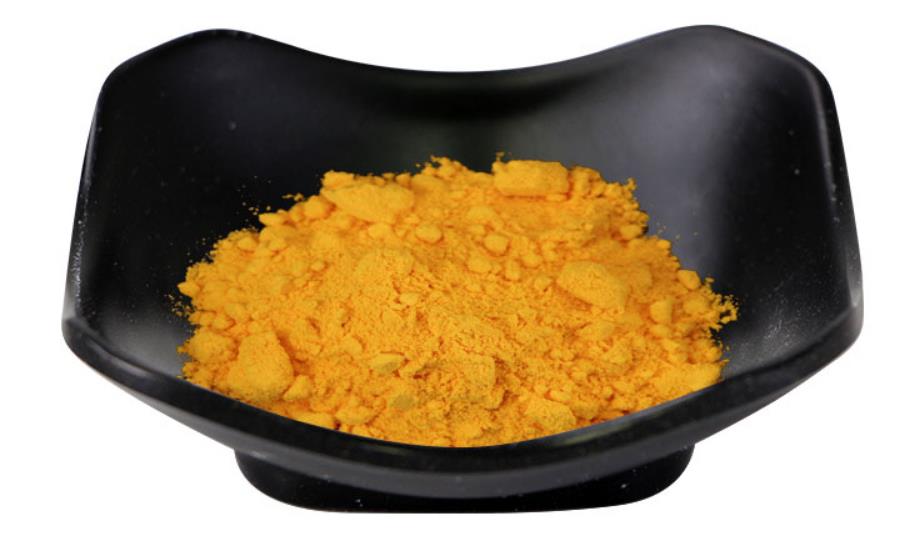
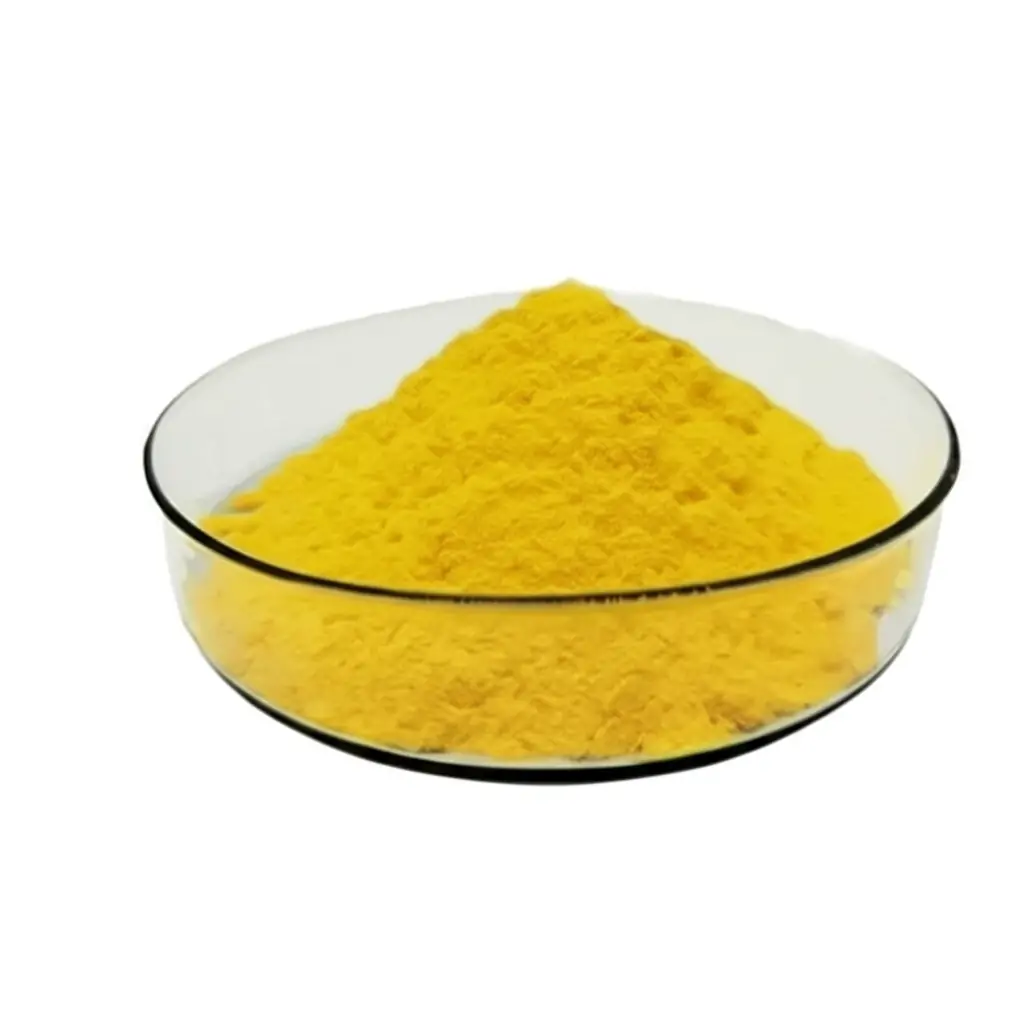
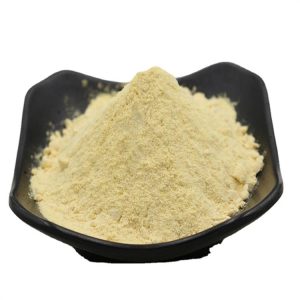
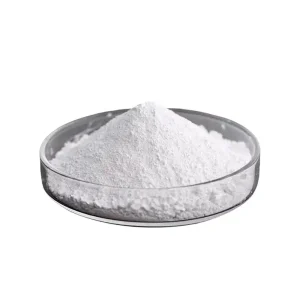
Endogenous CoQ10 production typically begins to decrease after the age of 30, and certain populations (including individuals taking statin medications, those with cardiovascular conditions, and older adults) often have lower than optimal levels, creating consistent consumer demand for supplemental CoQ10. For brands formulating these products, the purity and bioavailability of coenzyme q10 powder used as an input directly impacts end-product efficacy, making raw material quality a non-negotiable priority.
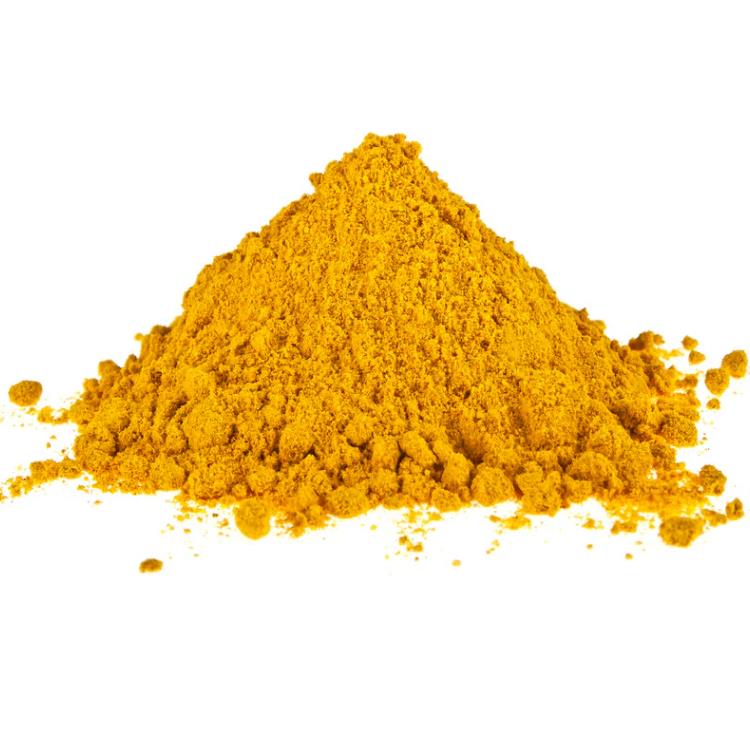
Clinical Evidence: Does Coenzyme Q10 Really Work for Its Most Common Uses?
To answer the core question of efficacy, we reference only peer-reviewed, randomized controlled trials (RCTs) and meta-analyses published in reputable medical journals, as these represent the highest standard of clinical evidence.
Cardiovascular Support
One of the most well-researched applications of CoQ10 is for cardiovascular health. A 2021 meta-analysis published in the *Journal of the American College of Cardiology* reviewed 14 RCTs involving 2,149 patients with heart failure, finding that consistent CoQ10 supplementation (100–200mg per day) reduced major adverse cardiovascular events by 31% and improved overall cardiac function compared to placebo. Additional studies have linked regular CoQ10 intake to modest reductions in systolic blood pressure for individuals with hypertension, making it a common ingredient in heart health supplement formulations.
For manufacturers sourcing inputs for cardiovascular-focused products, working with a reliable coenzyme Manufacturer that can provide full traceability documentation and clinical efficacy data for their raw materials is essential to validate product claims to regulators and consumers.
Migraine Prevention
CoQ10 has also demonstrated efficacy for reducing migraine frequency in adult populations. A 2019 randomized controlled trial published in *Headache: The Journal of Head and Face Pain* found that 300mg of CoQ10 supplementation per day reduced migraine frequency by 48% over a 3-month period, with fewer reported side effects than many common pharmaceutical migraine preventatives. This evidence has led to CoQ10 being included in clinical practice guidelines for migraine prevention by the American Academy of Neurology, creating a high-growth niche for specialized supplement products.
Anti-Aging and Skin Health Applications
Topical and oral CoQ10 products for skin health have grown in popularity in recent years, with clinical research supporting their efficacy. A 2020 study in the *Journal of Cosmetic Dermatology* found that oral CoQ10 supplementation (150mg per day) for 12 weeks reduced visible signs of skin aging, including fine lines and wrinkles, by improving collagen production and reducing oxidative damage from UV exposure. Topical formulations using microencapsulated CoQ10 have also been shown to improve skin hydration and elasticity, making the ingredient a popular addition to both ingestible and topical beauty supplement lines.
It is important to note that CoQ10 efficacy is highly dose-dependent and varies by population, so brands should work with formulation experts and raw material suppliers to develop products tailored to their target use case, rather than making overbroad unsubstantiated claims.
Key Factors That Impact CoQ10 Product Efficacy for B2B Brands
Even with strong clinical evidence for CoQ10’s benefits, end product performance depends heavily on three core supply chain and formulation factors that B2B buyers must prioritize during procurement.
Raw Material Purity and Source
The quality of CoQ10 raw material is the foundation of effective CoQ10 products. Inferior raw materials often contain impurities, residual solvents from the manufacturing process, or low levels of active CoQ10, which can reduce efficacy and even lead to safety risks for consumers. Reputable manufacturers will provide third-party lab test results (COAs, or Certificates of Analysis) for every batch, verifying that purity meets or exceeds 99% and that heavy metal, microbial, and residual solvent levels are within global regulatory limits (including USP, EP, and FDA GRAS standards).
Bioavailability of the Formulation
naturally occurring CoQ10 has relatively low oral bioavailability, as its fat-soluble structure makes it difficult for the body to absorb through the gastrointestinal tract. Advanced raw material processing techniques, including microencapsulation, ubiquinol conversion, and nanonization, can increase bioavailability by 3–5 times compared to standard CoQ10 powder, allowing brands to create more effective products with lower dosages, reducing production costs and improving consumer satisfaction.
When sourcing coenzyme q10 bulk orders, ask your supplier about available enhanced bioavailability formulations and supporting clinical absorption data to select the best input for your product line.
Supply Chain Reliability and Cost Consistency
Global demand for CoQ10 has grown at a CAGR of 7.2% since 2020, leading to occasional supply chain disruptions and price volatility for low-quality, unregulated raw materials. Partnering with established suppliers that offer transparent coenzyme q10 wholesale pricing, long-term supply contracts, and multiple production facilities can help brands avoid stockouts and unexpected cost increases that impact profitability and customer loyalty.
How to Select High-Quality CoQ10 Raw Materials for Your Product Line
For B2B brands looking to launch or expand their CoQ10 product offerings, following these four steps will help you source reliable, high-efficacy inputs: 1. Prioritize suppliers with GMP, ISO 9001, and HACCP certifications, as these indicate adherence to global manufacturing quality standards 2. Request recent third-party COAs for every batch of CoQ10 powder you purchase, and conduct independent third-party testing on arrival to verify purity and potency 3. Ask for case studies or client references from other supplement brands that have used the supplier’s raw materials, to confirm real-world product performance 4. Evaluate the supplier’s R&D capabilities, including their ability to provide custom formulations (such as ubiquinol, microencapsulated CoQ10, or CoQ10 blended with other active ingredients) to differentiate your products in a crowded market
Conclusion
So, does coenzyme q10 really work? For its evidence-supported use cases, including cardiovascular support, migraine prevention, and skin health, the clinical data confirms that high-quality, properly dosed CoQ10 delivers measurable benefits for consumers. For B2B brands, the key to unlocking this value is partnering with experienced, reputable raw material manufacturers that can provide consistent, high-purity inputs with documented efficacy and full traceability. By prioritizing raw material quality over upfront cost savings, supplement brands can create CoQ10 products that build long-term consumer trust, comply with global regulatory requirements, and drive sustainable revenue growth.
FAQ
Q: What is the difference between ubiquinone and ubiquinol CoQ10 raw materials?
A: Ubiquinone is the oxidized form of CoQ10, while ubiquinol is the reduced, more bioavailable form. Ubiquinol is typically 30–40% more expensive than standard ubiquinone, making it ideal for premium supplement lines targeting older adults or individuals with absorption issues, while ubiquinone remains a cost-effective choice for mass-market products.
Q: What regulatory requirements apply to CoQ10 products in major global markets?
A: In the United States, CoQ10 is classified as a dietary supplement, with dosage limits typically between 100–600mg per day for adult use, and all claims must be supported by clinical evidence. In the European Union, CoQ10 is approved as a food supplement, with EFSA-approved health claims for supporting normal energy-yielding metabolism and protecting cells from oxidative stress. All raw materials must meet USP/EP purity standards to be sold in these markets.
Q: What is the typical minimum order quantity for coenzyme q10 bulk orders?
A: For standard CoQ10 powder, most reputable manufacturers offer MOQs starting at 25kg, while custom formulations (such as microencapsulated or ubiquinol CoQ10) may have higher MOQs starting at 100kg. Many suppliers offer smaller sample sizes (1–5kg) for formulation testing before placing large bulk orders.
Q: How long is the typical shelf life of unprocessed CoQ10 raw material?
A: When stored in a cool, dry, airtight container away from direct sunlight, standard CoQ10 powder has a shelf life of 24 months from the date of production, while ubiquinol CoQ10 has a shelf life of 18 months. Reputable suppliers will provide clear storage guidelines and expiration date documentation for every batch.
About Our Company
We are a leading global coenzyme Manufacturer with 15+ years of experience producing high-quality CoQ10 raw materials for supplement, pharmaceutical, and cosmetic brands across 30+ countries. Our product portfolio includes:
- 99% pure ubiquinone coenzyme q10 powder, available in standard and microencapsulated formulations
- Ubiquinol CoQ10 powder with 3x higher bioavailability, supported by independent clinical absorption data
- Water-soluble CoQ10 raw material for beverage and liquid supplement applications
- Custom blended CoQ10 formulations combined with PQQ, omega-3, or vitamin E to support specific use cases
All our production facilities are GMP, ISO 9001, and HACCP certified, and every batch of our coenzyme q10 raw materials undergoes third-party testing to meet USP, EP, and FDA GRAS standards. We offer flexible coenzyme q10 wholesale pricing, MOQs as low as 25kg for standard products, and custom R&D support to help brands develop differentiated, high-efficacy CoQ10 products. For more information about our coenzyme q10 bulk options or to request a sample and COA, contact our sales team today.