
A science-backed review of CoQ10’s role in mitochondrial energy metabolism — plus practical guidance on sourcing coenzyme Q10 powder, evaluating bulk specifications, and working with a reliable coenzyme manufacturer.
Abstract
Coenzyme Q10 (CoQ10) is an endogenous lipid-soluble compound essential to mitochondrial electron transport and ATP synthesis. While CoQ10 is not a stimulant and does not directly “give” energy in the conventional sense, robust evidence links adequate CoQ10 status to optimised cellular energy production, reduced oxidative stress, and improved fatigue markers — particularly in populations with documented deficiency. For ingredient buyers and formulators, understanding this biochemical nuance is critical for accurate product positioning, regulatory compliance, and selecting the right CoQ10 powder specification for their applications.
1. The Biochemical Mechanism: How CoQ10 Relates to Energy
To answer the question “does coenzyme Q10 give you energy,” it helps to understand where CoQ10 actually operates in the body. Coenzyme Q10 — also known as ubiquinone in its oxidised form and ubiquinol in its reduced form — is a fat-soluble quinone found in virtually every cell of the human body, with the highest concentrations in organs with high metabolic demand: the heart, liver, kidneys, and skeletal muscle.[1]
CoQ10’s primary metabolic role is as an electron carrier in the mitochondrial inner membrane. It shuttles electrons between Complex I and Complex II to Complex III in the electron transport chain (ETC), a series of protein complexes that generate the proton gradient driving ATP synthase. ATP (adenosine triphosphate) is the universal energy currency of cellular metabolism — without it, no biological process functions.[2]
Additionally, CoQ10 functions as a potent lipophilic antioxidant, protecting mitochondrial membranes from peroxidation induced by reactive oxygen species (ROS) generated as a byproduct of oxidative phosphorylation.
Key mechanism summary
- CoQ10 accepts electrons from NADH (Complex I) and FADH₂ (Complex II) and transfers them to Complex III
- This electron transfer sustains the proton gradient that drives ATP synthesis via ATP synthase (Complex V)
- Without adequate CoQ10, the ETC slows, reducing ATP output and increasing oxidative stress
- CoQ10 does not act as a stimulant — it supports the infrastructure of energy production
The distinction matters for your labelling and marketing. CoQ10 is not an energy booster in the sense of caffeine or B vitamins. It is a co-factor that, when sufficient, allows mitochondria to generate ATP at optimal efficiency. Deficiency — which is common in older adults, statin users, and people with certain chronic conditions — meaningfully impairs this process.
2. What the Research Actually Shows
Fatigue and Physical Performance
Several randomised controlled trials have examined CoQ10 supplementation in the context of fatigue and exercise capacity. A 2014 double-blind RCT published in Nutrition Journal found that 300 mg/day of CoQ10 over eight weeks significantly reduced fatigue visual analogue scale scores compared to placebo in healthy adults.[5] A 2022 meta-analysis of six RCTs in Frontiers in Nutrition concluded that CoQ10 supplementation modestly but significantly improved exercise capacity in cardiac patients.[6]
Statin-Associated Myopathy
Statins inhibit HMG-CoA reductase, the same pathway that produces mevalonate — a precursor for both cholesterol and CoQ10 biosynthesis. This mechanistically explains the documented reduction in CoQ10 levels among statin users and provides the scientific rationale for CoQ10 supplementation in this population. Clinical evidence remains mixed, but the biological plausibility is well-established, making it a legitimate product claim angle under appropriate regulatory frameworks.[4]
Cardiovascular and Mitochondrial Disease Applications
CoQ10 is perhaps best-evidenced in heart failure (HF). The Q-SYMBIO trial, a multicentre RCT published in JACC: Heart Failure, demonstrated that 300 mg/day CoQ10 supplementation over two years significantly reduced major adverse cardiovascular events and all-cause mortality in patients with moderate-to-severe heart failure.[7] This remains one of the most cited clinical endorsements of CoQ10 in cardiovascular nutrition.
Bottom line for formulators: The energy-related claims around CoQ10 are best substantiated in populations with documented or likely CoQ10 insufficiency. Positioning products toward older adults, statin users, cardiovascular support formulas, or athletes with high oxidative demand provides the strongest scientific grounding.
3. Ubiquinone vs. Ubiquinol: Powder Form Considerations
When sourcing CoQ10 powder in bulk or wholesale quantities, one of the first decisions is which molecular form to procure. This has direct implications for raw material cost, stability, formulation complexity, and target consumer.
Ubiquinone (CoQ10 oxidised form)
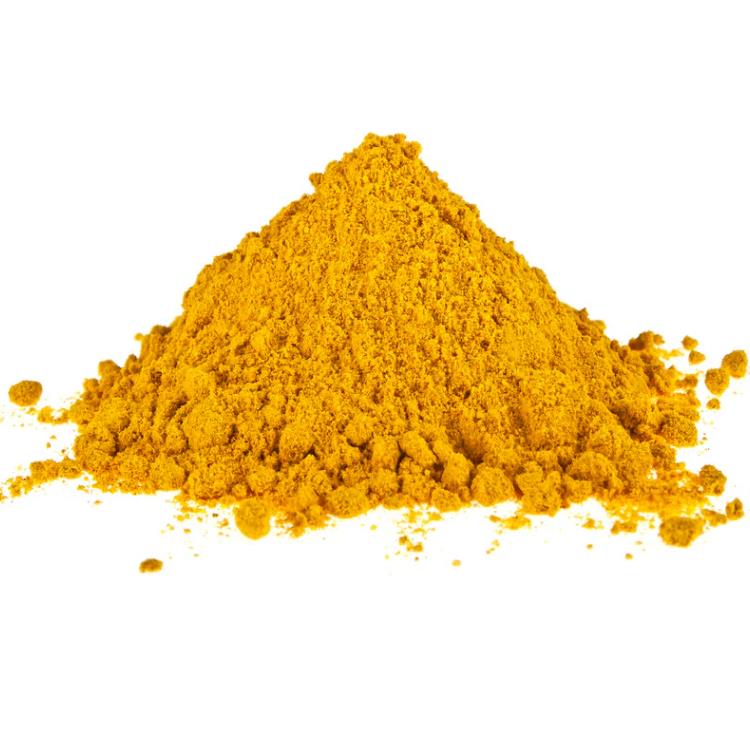
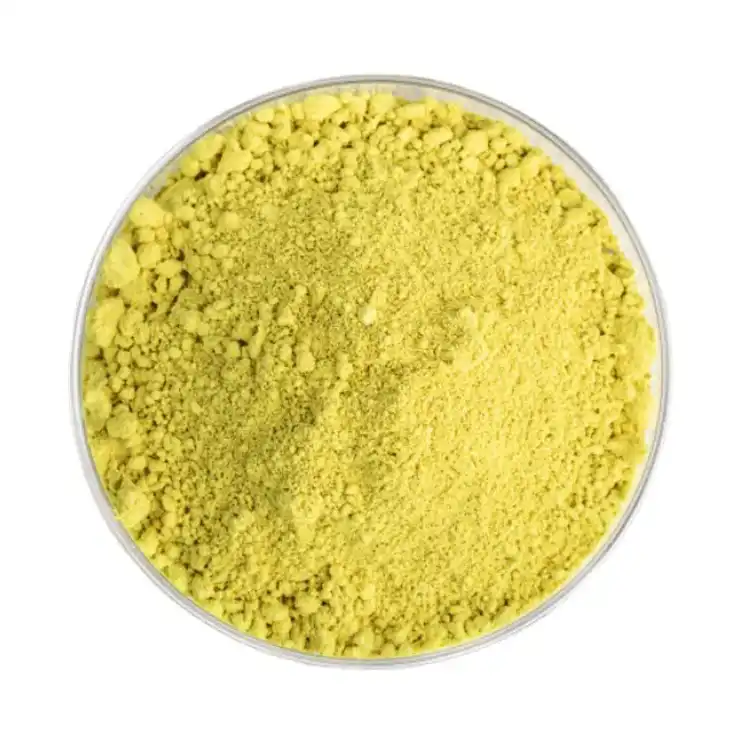
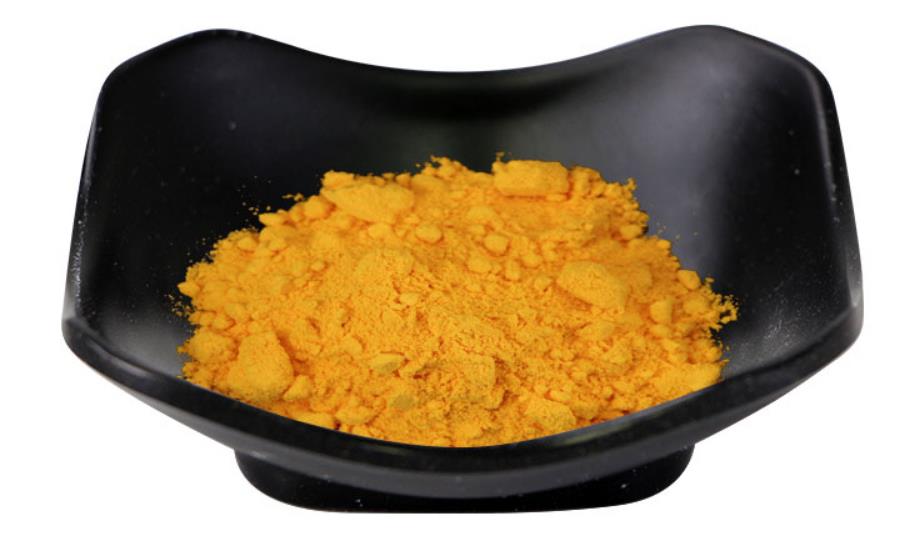
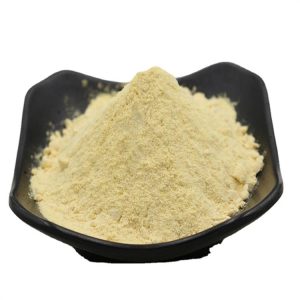
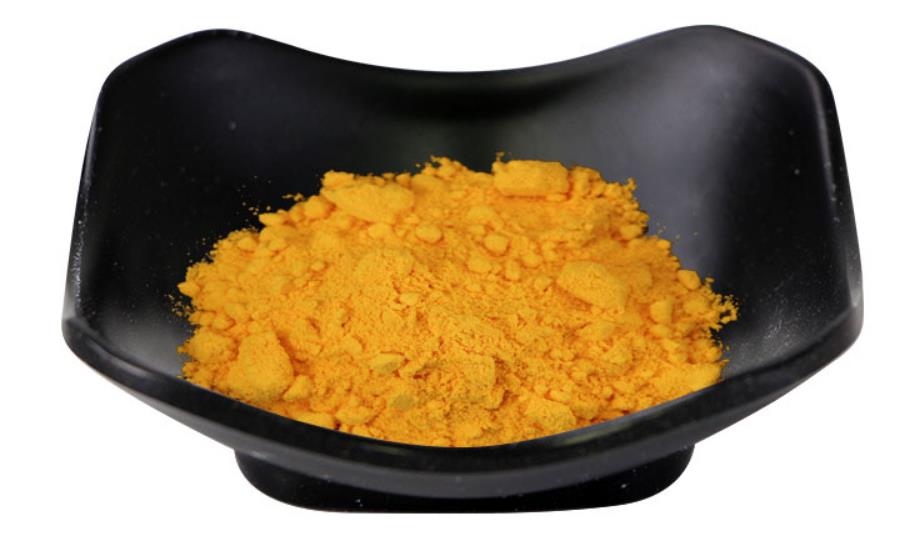
Ubiquinone is the oxidised, more stable form of CoQ10. It is the most widely used form in dietary supplement manufacturing, particularly in tablet, hard capsule, and powder-based applications. As a CoQ10 powder, ubiquinone is characterised by its bright yellow-orange colour, crystalline structure, and relative stability under standard handling and storage conditions. It must be converted to ubiquinol in the body to exert antioxidant activity, though both forms are active in the ETC.
Ubiquinol (CoQ10 reduced form)
Ubiquinol is the reduced, antioxidant-active form. It is more readily absorbed in some populations — particularly older adults, whose conversion capacity may be diminished — but is significantly less stable than ubiquinone, requiring careful handling, nitrogen-blanketed packaging, and cold chain considerations. It commands a higher price per kilogram at the wholesale level.
Choosing a form for your application
- Powder blends, tablets, sachets: Ubiquinone is typically preferred for its stability and processability as a bulk powder
- Softgels and oil-based delivery: Both forms are used; ubiquinol is more common in premium softgel formats
- Target consumer 50+: Some manufacturers prefer ubiquinol citing absorption advantages in older populations
- Cost-sensitive formulations: Ubiquinone offers a lower cost per mg in wholesale CoQ10 procurement
4. Bioavailability and Formulation Challenges
CoQ10’s high lipophilicity and large molecular weight (863.36 g/mol for ubiquinone) present well-documented bioavailability challenges. In its raw crystalline powder form, CoQ10 exhibits limited aqueous solubility and inconsistent gastrointestinal absorption. This is a critical consideration when evaluating CoQ10 raw material for different delivery systems.
Absorption is strongly influenced by the formulation matrix. Studies show that CoQ10 taken with food — particularly high-fat meals — significantly improves absorption compared to fasted-state dosing. For product developers, this suggests that oil-based softgel formats or self-emulsifying drug delivery systems (SEDDS) may provide superior bioavailability over conventional tablet or capsule formats using unprocessed CoQ10 powder.[8]
Particle size and solubilisation technology
Micronised and nano-emulsified CoQ10 raw material specifications have shown improved absorption in clinical and in-vitro studies. When sourcing CoQ10 powder wholesale, buyers should evaluate particle size data (D50, D90 values) from the supplier’s Certificate of Analysis (CoA). Finer particle size grades are generally preferred for formulations targeting higher bioavailability claims.
Water-dispersible CoQ10 powder grades — often produced through spray-drying with cyclodextrin or other encapsulants — are increasingly available from coenzyme manufacturers and are suitable for stick packs, beverages, and effervescent applications where lipid-based delivery is not viable.
5. Sourcing CoQ10 Powder in Bulk: Key Specifications
For ingredient buyers and procurement teams, evaluating CoQ10 raw material quality requires looking beyond price-per-kilogram. The following specification parameters should be reviewed when qualifying a CoQ10 powder supplier for bulk or wholesale procurement:
Specification checklist for CoQ10 raw material procurement
- Assay/Purity: Minimum 98.0% by HPLC is standard for pharmaceutical-grade CoQ10 powder; some suppliers offer 99%+ grades
- Appearance: Fine yellow to orange crystalline powder; colour consistency across batches indicates manufacturing control
- Heavy metals: Verify compliance with USP/EP limits (Pb, Cd, As, Hg); request ICP-MS data
- Microbial limits: Total aerobic count, yeast and mould, absence of pathogens per USP <61>/<62> or equivalent
- Residual solvents: Confirm ICH Q3C Class 2/3 compliance from CoA and supporting data
- Particle size distribution: D50 and D90 data; relevant for dissolution performance and tableting
- Moisture/Loss on drying: Typically ≤0.5% for stable CoQ10 powder
- Stability data: 24-month accelerated stability data under ICH conditions should be available
Minimum order quantities and lead times
CoQ10 wholesale pricing is typically tiered by volume. MOQs from established coenzyme manufacturers commonly start at 1–5 kg for sample/trial quantities and scale to multi-hundred kilogram lots for production runs. Lead times vary by manufacturer capacity and current demand; procurement teams should factor 4–8 weeks for standard bulk orders and negotiate supply security agreements for high-volume needs.
6. How to Evaluate a Coenzyme Manufacturer
The quality of finished supplement products is fundamentally constrained by the quality of raw materials. Selecting the right coenzyme manufacturer is therefore a strategic decision, not merely a transactional one. Key evaluation criteria include:
Manufacturing process and technology
CoQ10 is produced commercially through either chemical synthesis or microbial fermentation. Fermentation-derived CoQ10 (using yeast such as Candida utilis or bacteria) is generally considered the industry-standard approach and is well-accepted in both food supplement and pharmaceutical markets. Buyers should clarify the production method and request process validation documentation.
Regulatory certifications
At minimum, a credible coenzyme manufacturer should hold GMP certification (US cGMP, EU GMP, or equivalent) and ISO 9001 quality management certification. Additional certifications — ISO 22000 (food safety management), Halal, Kosher, and NSF — signal broader market reach and supply chain discipline. Third-party audit reports from organisations such as SGS add an independent verification layer.
Documentation and traceability
A full documentation package for CoQ10 raw material should include: Certificate of Analysis (CoA), Safety Data Sheet (SDS), Certificate of Origin, allergen declaration, non-GMO/BSE-TSE statements as applicable, and full third-party testing reports. Manufacturers unable to provide this documentation in a timely manner represent a supply chain risk.
R&D and customisation capability
For brands developing differentiated formulations, the ability to work collaboratively with a manufacturer’s R&D team — on particle size modification, co-processing, or custom blending — adds significant value beyond simple ingredient procurement. This is particularly relevant for novel delivery formats or combination products.
7. Application Areas and Market Positioning
Understanding the primary market applications for CoQ10 helps buyers align sourcing decisions with intended product positioning:
Primary application categories for CoQ10 powder
- Cardiovascular health: The largest established application; supported by clinical evidence including the Q-SYMBIO trial
- Anti-ageing and longevity: Broad consumer appeal; typically combined with NMN, NAD+ precursors, or resveratrol
- Sports nutrition: Oxidative stress support during high-intensity training; typically 100–300 mg/serving
- Statin support: Growing category, particularly in the US and Europe, targeting the ~35 million statin users in the US alone
- Cognitive and neurological support: Emerging evidence base; mitochondrial energy demand in neural tissue is high
- Fertility and reproductive health: Evidence base growing for both male and female fertility applications
- Cosmetic/topical applications: Water-dispersible CoQ10 powder grades used in skincare formulations
From a wholesale market perspective, the global CoQ10 market was valued at approximately USD 893 million in 2023 and is projected to grow at a CAGR of around 8% through 2030, driven by ageing demographics, increased cardiovascular health awareness, and the expansion of anti-ageing supplement categories.[9]
Article Summary
For formulators, brand owners, and ingredient buyers, here are the key takeaways from this review:
- CoQ10 does not directly “give” energy in a stimulant sense; it is a mitochondrial co-factor essential for ATP synthesis via the electron transport chain
- Clinical evidence supports CoQ10 supplementation for fatigue reduction and cardiovascular function, especially in populations with deficiency (older adults, statin users)
- Ubiquinone is the preferred form for bulk CoQ10 powder applications due to stability; ubiquinol is used in premium softgel formats for potentially enhanced absorption in certain populations
- Bioavailability is highly formulation-dependent; oil-based delivery and micronised grades generally outperform standard crystalline CoQ10 powder in absorption studies
- Qualifying a CoQ10 raw material supplier requires rigorous evaluation of purity assay, heavy metals, microbial limits, particle size, and documentation completeness
- The CoQ10 ingredient market is growing across cardiovascular, anti-ageing, sports, and statin-support applications, presenting opportunities for new product development
Frequently Asked Questions
References
- Littarru GP, Tiano L. Bioenergetic and antioxidant properties of coenzyme Q10: recent developments. Mol Biotechnol. 2007;37(1):31–7. doi:10.1007/s12033-007-0052-y
- Crane FL. Biochemical functions of coenzyme Q10. J Am Coll Nutr. 2001;20(6):591–8.
- Kalen A, Appelkvist EL, Dallner G. Age-related changes in the lipid compositions of rat and human tissues. Lipids. 1989;24(7):579–84.
- Marcoff L, Thompson PD. The role of coenzyme Q10 in statin-associated myopathy. J Am Coll Cardiol. 2007;49(23):2231–7.
- Mizuno K, et al. Antifatigue effects of coenzyme Q10 during physical fatigue. Nutrition. 2008;24(4):293–9.
- Jafari M, et al. Coenzyme Q10 and exercise capacity in heart failure: a meta-analysis of randomised controlled trials. Front Nutr. 2022;9:868439.
- Mortensen SA, et al. The effect of coenzyme Q10 on morbidity and mortality in chronic heart failure: results from Q-SYMBIO. JACC Heart Fail. 2014;2(6):641–9.
- Bhagavan HN, Chopra RK. Coenzyme Q10: absorption, tissue uptake, metabolism and pharmacokinetics. Free Radic Res. 2006;40(5):445–53.
- Grand View Research. Coenzyme Q10 Market Size, Share & Trends Analysis Report, 2023–2030. Published 2023.
GOTHINK Biotech — Coenzyme Q10 Powder & Functional Raw Materials Manufacturer
GOTHINK Biotech is a professional manufacturer and global supplier of functional raw materials for the nutraceutical, dietary supplement, and pharmaceutical industries, headquartered in China. Our product portfolio spans coenzyme Q10 powder and related coenzyme ingredients, human milk oligosaccharides (HMOs), glucosamine derivatives, and saccharide-based actives — all produced under rigorous quality controls.
Core product lines available for wholesale and bulk procurement:
Coenzymes: Coenzyme Q10 (CoQ10 powder), NMN, NMNH, NAD+, NADH, NADP, Folic Acid, NR (nicotinamide riboside)
Human Milk Oligosaccharides (HMOs): 2′-Fucosyllactose (2′-FL), 3-Fucosyllactose (3-FL), Lacto-N-tetraose (LNT), Lacto-N-neotetraose (LNnT)
Glucosamine series: Glucosamine, Glucosamine Hydrochloride, Glucosamine Sulfate, N-Acetyl-Glucosamine
Saccharide derivatives: N-Acetylneuraminic Acid (Sialic Acid), Reb D, Reb M, Rh2/Rg3
Our manufacturing infrastructure supports OEM/ODM services, with over 2,000 customised formulations developed annually. Scientific leadership is provided by specialists trained in pharmaceutical and biological sciences. We operate with a comprehensive quality management system aligned with global compliance expectations.
For wholesale enquiries, sample requests, or technical documentation on CoQ10 raw material specifications, contact our ingredient sales team directly.