
Abstract
In the world of nutraceuticals and dietary supplements, NAD (Nicotinamide Adenine Dinucleotide) and NADH (its reduced form) are key coenzymes that play vital roles in cellular energy production and metabolic processes. This article explores the differences between NAD and NADH, their respective benefits, applications, and considerations for integration into formulations. Drawing from scientific insights and industry practices, we aim to provide formulators and manufacturers with balanced information to make informed decisions on sourcing and utilizing these compounds as raw materials.
Understanding NAD and NADH: The Basics
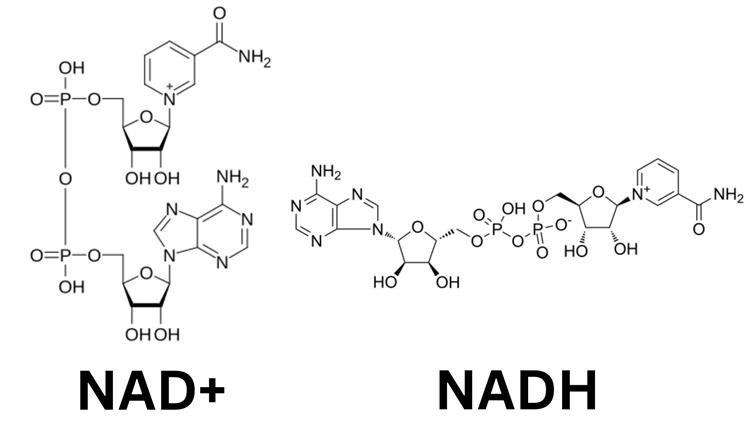
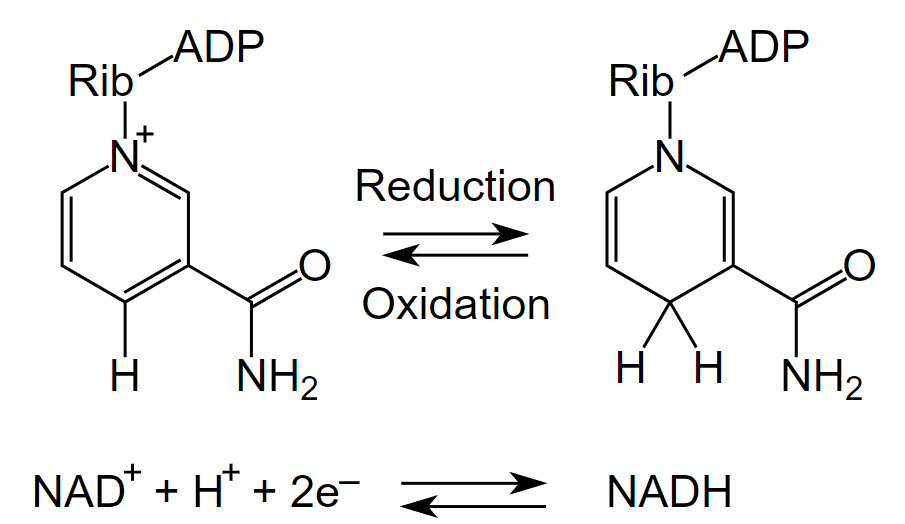
NAD and NADH are closely related molecules essential for redox reactions in the body. NAD exists in its oxidized form, while NADH is the reduced version, carrying electrons that facilitate energy transfer in cells. Both are derived from vitamin B3 (niacin) and are involved in over 500 enzymatic reactions, including those in the Krebs cycle and glycolysis.
From a biochemical perspective, NAD acts as an electron acceptor, converting to NADH during metabolic processes. This dynamic interplay supports ATP production, DNA repair, and cellular signaling. For supplement formulators, understanding this relationship is crucial when selecting raw materials, as the choice between NAD and NADH can influence product stability, bioavailability, and efficacy in targeted applications like anti-aging or energy-boosting formulas.
Key Differences in Structure and Function
Structurally, the primary distinction lies in the hydrogenation state: NADH has an additional hydrogen atom and two electrons compared to NAD. This makes NADH more reactive in donating electrons, which is why it’s often associated with immediate energy support.
Functionally, NAD is pivotal in processes like sirtuin activation, which promotes longevity and metabolic health. In contrast, NADH directly contributes to mitochondrial function, potentially aiding in reducing oxidative stress. Research from biochemical studies indicates that while NAD levels decline with age, supplementing with precursors or direct forms can help restore balance. However, NADH’s reduced state may offer advantages in formulations requiring rapid cellular uptake, though it can be less stable in certain environments.
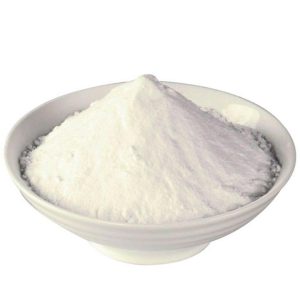
When sourcing nadh raw material, formulators should consider factors like purity and particle size, as these affect dissolution rates in manufacturing processes.
Applications in Nutraceutical Formulations
Both NAD and NADH have found their place in various supplement categories. NAD is commonly used in products aimed at supporting cognitive function and metabolic regulation, often in combination with other coenzymes. NADH, on the other hand, is frequently incorporated into energy-enhancing supplements, where its role in electron transport can provide noticeable benefits for physical performance.
For manufacturers, the decision hinges on the end-product’s goals. For instance, in anti-fatigue formulas, NADH powder might be preferred due to its direct involvement in energy pathways. Stability testing is essential, as NADH can oxidize more readily than NAD, potentially requiring specialized encapsulation techniques. Industry data suggests that high-quality nadh raw material from reliable sources ensures consistent batch-to-batch performance, minimizing formulation challenges.
Stability, Bioavailability, and Sourcing Considerations
Stability is a critical factor when comparing NAD and NADH. NAD tends to be more stable in powder or capsule forms, making it easier to handle during production. NADH, while potent, may require protective measures like antioxidants or controlled storage to prevent degradation.
Bioavailability also varies: NAD often needs conversion in the body, whereas NADH offers a more direct form. Studies on absorption rates show that sublingual or liposomal delivery can enhance NADH’s effectiveness, which is valuable for formulators developing premium products.
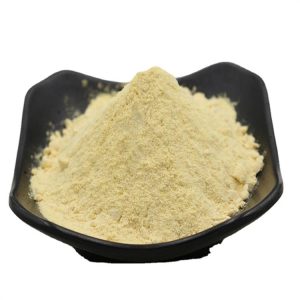
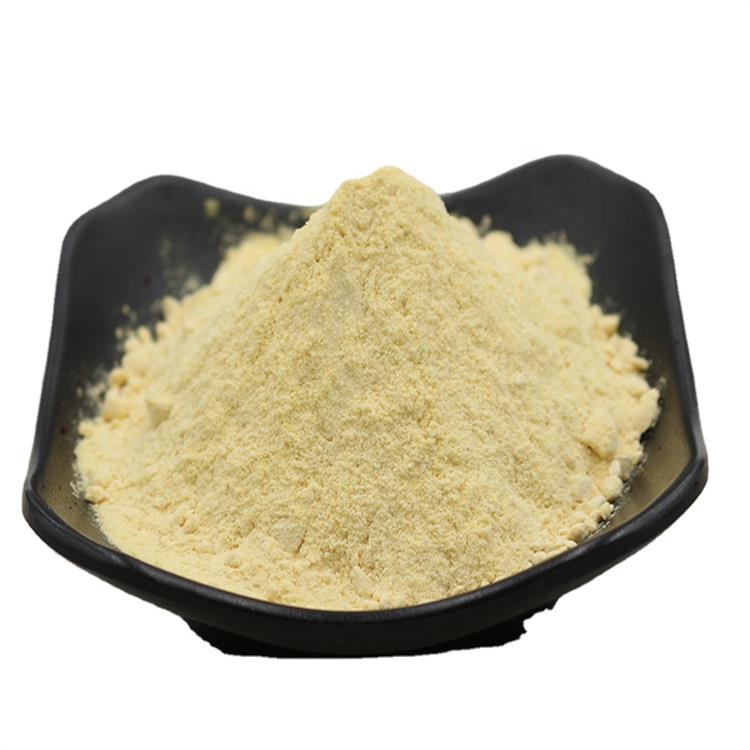
As an nadh manufacturer, it’s important to prioritize suppliers with robust quality controls. Look for certifications such as GMP and third-party testing to verify potency and purity. When evaluating nadh powder, assess solubility and compatibility with other ingredients to optimize manufacturing efficiency and product shelf life.
Potential Benefits and Limitations
NAD supplementation has been linked to improved cellular repair and reduced inflammation, based on preclinical research. NADH, conversely, shows promise in supporting neurological health and energy metabolism, with some studies indicating benefits for conditions like chronic fatigue.
Limitations include variability in individual responses and the need for further human trials. Neither is inherently “better”—the choice depends on the formulation’s target demographic and intended outcomes. Formulators should weigh cost-effectiveness, as NADH production can be more complex, potentially affecting raw material pricing.
Article Summary
In summary, NAD and NADH each offer unique advantages in cellular energy and health support, with no clear winner in all scenarios. NAD excels in stability and broad metabolic roles, while NADH provides direct electron donation for targeted energy applications. For supplement manufacturers, selecting the appropriate compound involves assessing formulation needs, stability requirements, and sourcing reliability. By focusing on high-quality raw materials, formulators can create effective products that meet market demands without overhyping claims.

FAQ
What is the main difference between NAD and NADH? The key difference is their redox state: NAD is oxidized and accepts electrons, while NADH is reduced and donates them, impacting their roles in energy production.
Which is more stable for use in supplements? NAD generally offers better stability in manufacturing and storage compared to NADH, which may require additional protective measures.
How should I choose between NAD and NADH for my product line? Consider your product’s focus—NAD for longevity support, NADH for energy boosts—and evaluate bioavailability and cost from a reliable nadh manufacturer.
What quality standards should I look for in nadh raw material? Seek suppliers with ISO, GMP, and third-party testing certifications to ensure purity, potency, and traceability in nadh powder.
Can NAD and NADH be combined in formulations? Yes, combining them can provide synergistic effects, but thorough compatibility testing is recommended to maintain efficacy.
Company Profile
Gothink Biotech is a professional manufacturer and global supplier of functional raw materials based in China. Our key product lines include Coenzymes such as NMN, NADH, NAD+, NADP, Coenzyme Q10, Folic Acid, and Glucosamine Hydrochloride; Human Milk Oligosaccharides (HMOs) like 2′-FL, 3-FL, LNT, and LNnT; Glucosamine series including Glucosamine, Glucosamine Hydrochloride, N-Acetyl-Glucosamine, and Glucosamine Sulfate; and Saccharide Derivatives such as N-Acetylneuraminic Acid, Reb D, Reb M, Rh2/Rg3, and Sialic Acid. We specialize in providing high-quality raw materials for nutraceuticals, dietary supplements, and pharmaceutical formulations, supported by world-class scientific leadership, exceptional R&D capacity, comprehensive quality certifications (ISO 9001, ISO 22000, GMP, SGS, NSF, CQC, Halal, Kosher), and a reliable global supply chain.