


Abstract
NADH and NAD+ are essential coenzymes central to cellular redox reactions, energy metabolism, and mitochondrial function. For manufacturers and formulators of dietary supplements, understanding their biochemical differences, stability profiles, bioavailability considerations, and practical implications in product development is critical when selecting nadh raw material or nad raw material. This article offers an objective, evidence-based analysis to support B2B decision-making, focusing on sourcing high-purity nadh powder, nadh bulk, and related coenzyme ingredients while maintaining formulation integrity and regulatory compliance.
The Biochemical Foundations of NAD+ and NADH
NAD (nicotinamide adenine dinucleotide) exists in two primary interconvertible forms: the oxidized NAD+ and the reduced NADH. NAD+ acts as an electron acceptor in metabolic pathways, while NADH serves as an electron donor. This redox cycling is fundamental to glycolysis, the tricarboxylic acid (TCA) cycle, and oxidative phosphorylation, enabling ATP production. The NAD+/NADH ratio functions as a key sensor of cellular energy status and influences broader processes such as DNA repair, gene expression via sirtuins, and oxidative stress management.
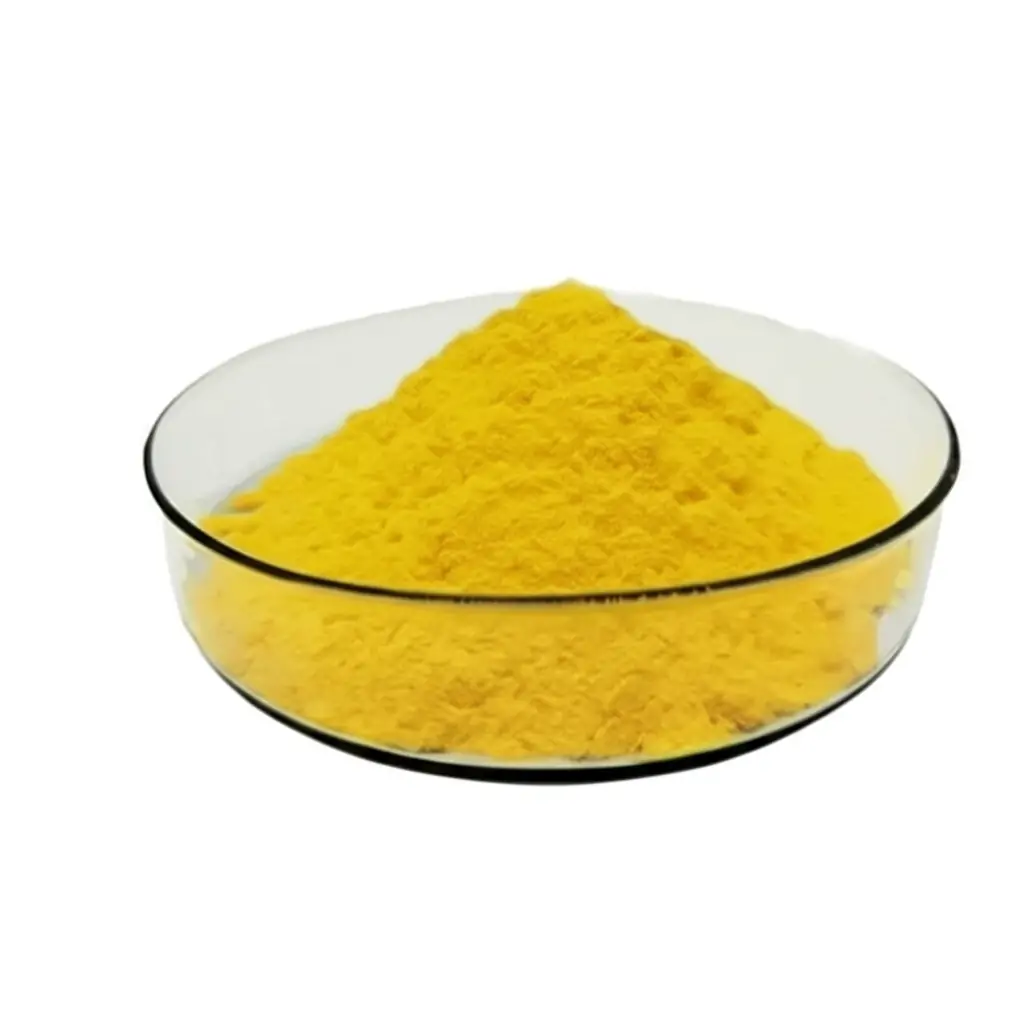
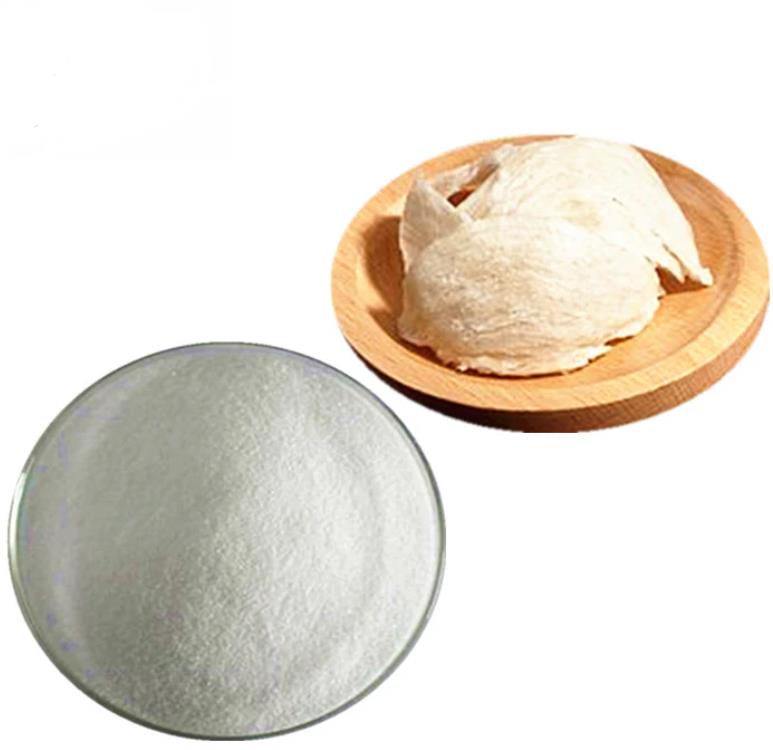
In raw material terms, both are supplied as white, hygroscopic powders that are highly water-soluble when properly handled. However, their distinct redox states affect how they behave during manufacturing, storage, and final formulation.
Key Functional Differences in Cellular Metabolism
NAD+ primarily supports catabolic reactions by accepting electrons and is consumed by enzymes such as sirtuins, PARPs, and CD38, which regulate longevity pathways, DNA repair, and inflammation. NADH, conversely, donates electrons to the electron transport chain, directly contributing to ATP synthesis. In healthy cells, the ratio favors NAD+ in the nucleus and cytosol but shifts dynamically in mitochondria based on metabolic demand.
For supplement manufacturers, these roles translate to different positioning: NAD+-focused ingredients are often explored for anti-aging and metabolic health formulations, while NADH may appeal to energy-support or mitochondrial health products. Neither form is interchangeable in finished goods; the choice depends on target indications and delivery systems.
Stability and Bioavailability Considerations for Supplement Formulations
Stability is a primary technical challenge for both coenzymes in powder and finished-product formats. NAD+ and NADH are sensitive to heat, moisture, light, pH extremes, and oxygen. NADH, in particular, degrades rapidly in acidic environments (such as the stomach), while NAD+ can break down in alkaline conditions. Free forms exhibit limited oral bioavailability because the intact molecules struggle to cross cell membranes efficiently; most research therefore emphasizes precursors (e.g., NMN or NR) for systemic NAD+ elevation.
When sourcing nadh powder or nad powder for bulk production, manufacturers should evaluate:
- Purity (>98% typical for pharmaceutical-grade)
- Residual solvents and heavy metals
- Packaging under inert atmosphere or with desiccants
- Compatibility with excipients in capsules, tablets, or powders
Advanced stabilization techniques (e.g., enteric coatings or proprietary matrices) are commonly employed by formulators to protect the active during gastrointestinal transit and shelf life. Third-party testing for potency retention under accelerated conditions is recommended.
Practical Implications for Product Development and Manufacturing
In nutraceutical development, nadh raw material and nad raw material are incorporated into premium energy, cognitive, and longevity supplements. NADH bulk may suit immediate energy-support SKUs, whereas NAD+ raw material often appears in broader metabolic formulas. Both integrate well with other coenzymes (e.g., CoQ10) or synergistic ingredients, but formulators must account for potential redox interactions during blending and compression.
Regulatory pathways in major markets (US, EU, China) treat these as dietary ingredients under GMP standards. Full traceability, Certificates of Analysis (CoA), and stability data from the supplier streamline FDA, EFSA, or CFDA compliance. Lead times and batch-to-batch consistency become decisive factors when scaling from pilot to commercial production.
Sourcing High-Quality NADH Powder, NAD Raw Material, and Bulk Supply
Reliable procurement of nadh powder, nadh bulk, nadh wholesale, nad powder, and nad raw material requires partners with validated biomanufacturing processes, ISO 9001/22000 and GMP certifications, and robust global logistics. Merchants benefit from suppliers offering customization, short lead times, and comprehensive documentation to reduce formulation risk and ensure consistent product performance. Evaluating a potential NADH Manufacturer on scientific expertise, R&D capacity, and third-party verification (SGS, NSF) helps secure long-term supply chain resilience.
Article Summary
NADH and NAD+ are distinct yet interdependent coenzymes whose redox properties drive cellular energy and signaling. For B2B users in the nutraceutical and pharmaceutical sectors, the decision between nadh raw material and nad raw material hinges on formulation goals, stability requirements, and end-product claims rather than a universal “better” choice. Prioritizing high-purity, well-characterized powders from experienced manufacturers enables reliable, scalable production while meeting global quality and regulatory expectations. Informed sourcing ultimately delivers greater value to downstream brands and consumers.
FAQ
Q1: Can NADH powder and NAD powder be used interchangeably in supplement formulations? No. Their redox states confer different metabolic roles and stability profiles; formulators must select based on target product function and delivery technology.
Q2: What are the main stability challenges when handling nadh raw material in bulk? NADH is particularly sensitive to acid, heat, and oxygen. Proper inert packaging, low-temperature storage, and validated analytical methods are essential to maintain potency throughout the supply chain.
Q3: How does bioavailability differ between direct NADH/NAD+ and precursor ingredients? Direct forms show limited membrane permeability and GI stability, whereas precursors are more readily absorbed and converted intracellularly. Many manufacturers combine both approaches for optimized efficacy.
Q4: What certifications should merchants require from an NADH Manufacturer? Look for ISO 9001, ISO 22000, GMP, Halal, Kosher, and full third-party testing (heavy metals, microbial, potency). Traceable CoAs and stability data are non-negotiable for compliance.
Q5: Are there specific regulatory considerations for nadh bulk or nad raw material in international markets? Yes. Compliance varies by region; suppliers with experience in US, EU, and Asia-Pacific markets can provide the necessary documentation to accelerate market entry.
About GOTHINK Biotech
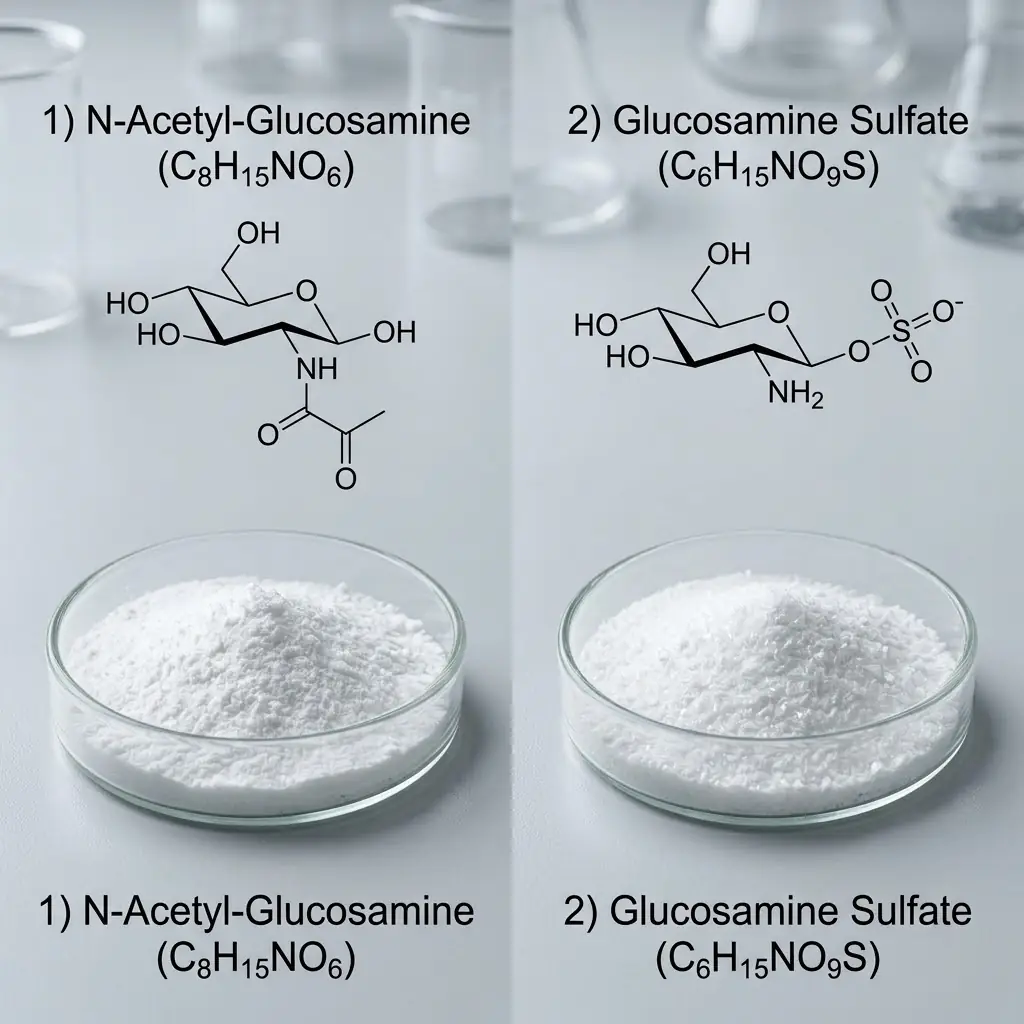
GOTHINK Biotech is a professional manufacturer and global supplier of functional raw materials based in China. Our key product lines include Coenzymes (NMN, NADH, NAD+, NADP, Coenzyme Q10, Folic Acid, NMNH, NRHM), Human Milk Oligosaccharides (HMOs) such as 2′-FL, 3-FL, LNT, and LNnT, as well as Glucosamine series (Glucosamine, Glucosamine Hydrochloride, N-Acetyl-Glucosamine) and Saccharide Derivatives (N-Acetylneuraminic Acid, Reb D, Reb M, Rh2/Rg3, Sialic Acid). These ingredients are widely used in nutraceuticals, dietary supplements, and pharmaceutical formulations.
With world-class scientific leadership, exceptional R&D capacity, comprehensive quality certifications (ISO 9001, ISO 22000, GMP, SGS, NSF, CQC, Halal, Kosher), and a reliable global supply chain, GOTHINK Biotech delivers premium nadh powder, nadh raw material, nad powder, and nad raw material with consistent quality, customization, and short lead times. We provide full OEM/ODM services and third-party testing reports to support partners worldwide in creating innovative, compliant products.